
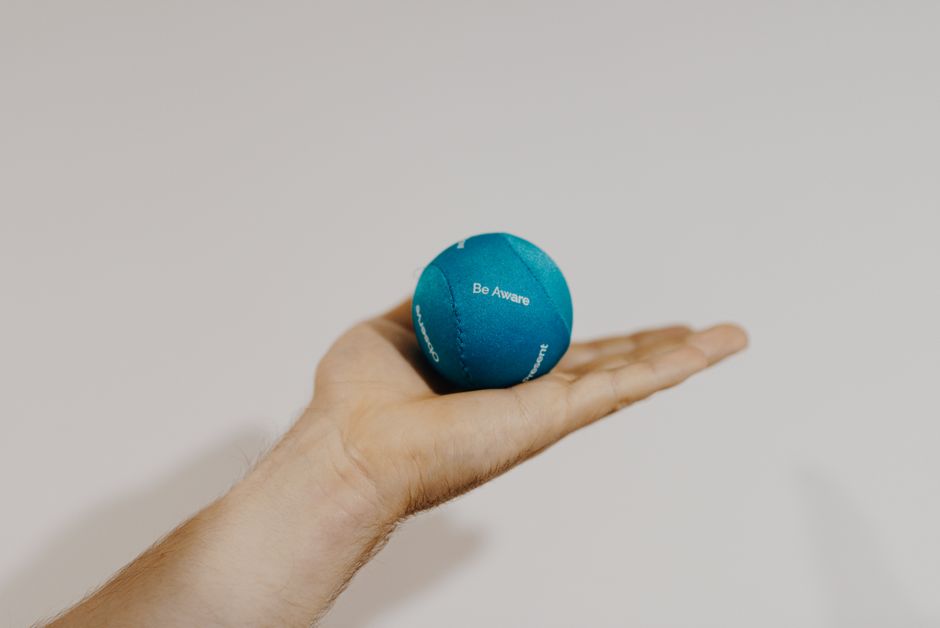
Ben Wa balls are small, round weights that a person inserts into the vagina, usually to create pressure or friction against the vaginal walls. They are most often marketed as a way to strengthen the pelvic floor, and some versions are sold as a source of sexual sensation. They are not a medical device, and no strong evidence shows they treat any health condition.
The name is old and its origin is not well documented. What matters more is what these objects actually are, what they can and cannot do, and the real safety concerns that come with putting a foreign object inside the body. This article covers the physiology, the honest state of the evidence, and the risks that marketing tends to skip.
What Are Ben Wa Balls and How Do They Work?
Ben Wa balls are typically spheres about the size of a large marble, made of metal, silicone, or hard plastic. Some are hollow and contain a smaller weight that shifts when you move. They are inserted into the vagina and held in place by the pelvic floor muscles.
The basic idea behind them rests on a real physiological principle. The pelvic floor is a hammock of muscle that supports the bladder, uterus, and rectum and helps control urination. Like any skeletal muscle, it responds to resistance training. When a muscle works against a load, it can get stronger over time.
The question is whether a small ball actually provides meaningful resistance. Here the logic gets shakier. A weighted ball sitting in the vagina does not force the muscle to contract in a controlled way the way a structured exercise does. The muscle may simply hold it passively. Biological plausibility is not the same as demonstrated benefit, and this is a good example.
Some balls are sold in graduated weights, with the idea that you move to a heavier ball as you get stronger. That mirrors how strength training works in principle. Whether it works in practice for the pelvic floor has not been established by good trials.
Do Ben Wa Balls Actually Strengthen the Pelvic Floor?
The evidence for pelvic floor strengthening from Ben Wa balls specifically is weak. Pelvic floor muscle training is well established as an effective approach for conditions like stress urinary incontinence, but that training means learning to consciously contract and relax the muscles, often with guidance from a physical therapist.
That is a different thing from wearing a weighted ball. Some small studies have looked at weighted vaginal cones, which are a related but distinct product used in some clinical settings. Results have been mixed, and cones are generally used as one part of a supervised program rather than on their own.
No large, well-designed human trials have confirmed that Ben Wa balls strengthen the pelvic floor or improve incontinence. The marketing often borrows credibility from pelvic floor physical therapy without the evidence to back the claim.
There is also a counterintuitive point worth knowing. Pelvic floor problems are not always about weakness. Some people have a pelvic floor that is too tense, a condition called hypertonic pelvic floor. For those people, adding resistance could make symptoms worse rather than better. This is one reason a professional assessment matters before starting any pelvic floor device.
Are Ben Wa Balls Safe to Use?
Ben Wa balls carry real risks, and the safety guidance around them is more established than the benefit claims. The vagina has a delicate balance of bacteria and a natural acidic environment. Introducing a foreign object can disrupt that balance.
Documented concerns include:
- Infection. Objects that stay in place for long periods can trap bacteria and raise the risk of bacterial vaginosis or other infections.
- Difficulty removing them. A ball that migrates higher into the vagina can be hard to retrieve. This is a known reason people end up seeking medical help.
- Irritation and microtears. Rough surfaces or hard materials can irritate vaginal tissue.
- Lost objects. Rarely, an object can become lodged and require removal by a clinician.
The general safety advice is straightforward. Do not leave them in for extended periods. Clean them before and after use with mild soap and warm water, following the manufacturer’s instructions for the specific material. Do not share them. Stop using them if you notice pain, unusual discharge, odor, or irritation.
Anyone who is pregnant, has recently given birth, has an active infection, or has a known pelvic floor condition should talk to a clinician before using them. No clinical guidelines specifically address Ben Wa ball use during pregnancy or postpartum, so the honest position is that safety in those situations is not established.
Are There Real Benefits, or Is It Mostly Marketing?
For sexual sensation, some people report that the balls add awareness or pressure during movement or intercourse. This is subjective and varies widely from person to person. There is no clinical evidence confirming a reliable sexual benefit, and what one person finds pleasurable another may find uncomfortable.
For pelvic floor strength, the honest summary is that the evidence is limited. The strongest evidence for improving pelvic floor function points to structured muscle training, often guided by a pelvic floor physical therapist, not to wearing a device.
Marketing language around these products tends to be vague. Claims like “tones” or “tightens” are not defined and are not backed by trials. When a product is sold without regulation as a medical device, the burden of proof often falls on the buyer.
What Are Better-Evidenced Alternatives for Pelvic Floor Health?
Pelvic floor muscle training is the best-supported approach for most pelvic floor concerns. It involves learning to identify the correct muscles, then practicing controlled contractions and full relaxations on a regular schedule. Many people need help from a physical therapist to do this correctly, because it is easy to contract the wrong muscles, such as the buttocks or abdomen, without realizing it.
Biofeedback and supervised programs have been studied more thoroughly than consumer devices. For urinary incontinence, research consistently supports structured training as a first-line approach. If symptoms are significant, a clinician can assess whether the issue is weakness, tension, or something else entirely, since the treatment differs.
Weighted vaginal cones exist as a clinical tool in some settings, but they are typically used under guidance and as part of a broader program. They are not a substitute for learning proper technique.
If the goal is sexual sensation, that is a personal preference rather than a health outcome, and there is no medical standard to meet. The main thing is to weigh any enjoyment against the infection and removal risks, and to follow basic hygiene and time limits.
The Bottom Line on What Ben Wa Balls Are
Ben Wa balls are small vaginal weights marketed for pelvic floor strengthening and sexual sensation. The strengthening claim rests on a plausible mechanism but lacks strong supporting evidence. The safety concerns are more concrete than the benefits.
If you are dealing with pelvic floor symptoms such as leakage, heaviness, or pain, those are worth discussing with a clinician rather than self-treating with a consumer product. Pelvic floor problems are common and treatable, and getting the right assessment matters more than any single device.
Frequently Asked Questions
What are Ben Wa balls used for?
They are marketed mainly for pelvic floor strengthening and sexual sensation. No strong evidence confirms they treat pelvic floor conditions.
How long can you leave Ben Wa balls in?
There is no established clinical guideline for duration, so follow the manufacturer’s instructions and keep sessions short. Leaving them in for long periods raises the risk of infection and difficult removal.
Can Ben Wa balls get lost inside you?
They can migrate higher into the vagina and become hard to retrieve, which sometimes requires a clinician to remove them. The vagina is a closed canal, so a lost ball cannot travel into the abdomen, but it can still get lodged.
Do Ben Wa balls actually tighten the vagina?
No clinical evidence confirms that they tighten the vagina or strengthen the pelvic floor. Structured pelvic floor muscle training, often with a physical therapist, is the better-supported approach.
