
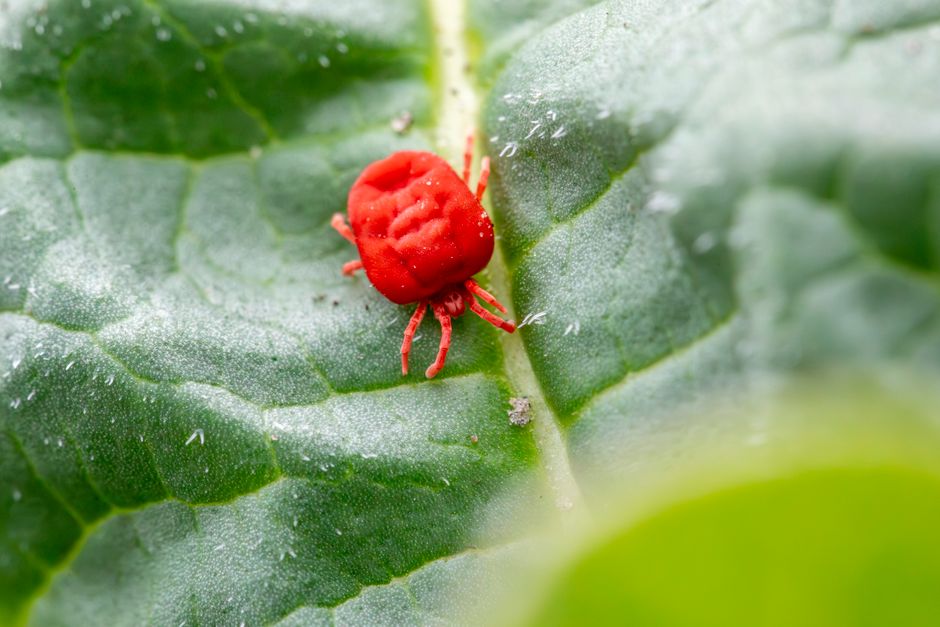
Bed mites are tiny arthropods that live in mattresses, pillows, and bedding. They feed on the dead skin cells that people shed every day. Unlike bed bugs, they do not bite, but their waste and body parts are a common trigger for allergies and asthma. Symptoms of a bed mite allergy include sneezing, a stuffy or runny nose, itchy or watery eyes, and coughing that is worse in the morning. To remove them, you need to wash bedding in hot water weekly, use allergen-proof mattress covers, and control the humidity in your bedroom.
What Are Bed Mites?
Bed mites are more accurately called dust mites. They are microscopic creatures related to spiders and ticks. You cannot see them with the naked eye. They measure about 0.2 to 0.3 millimeters long.
They thrive in warm, humid environments. Your bed is an ideal home because it provides warmth, moisture from sweat, and a steady food supply of dead skin flakes. A typical mattress can contain hundreds of thousands of these creatures.
It is important to distinguish them from bed bugs. Bed bugs are visible insects that bite and leave red, itchy welts on the skin. Dust mites do not bite. They cause problems only through the allergens they produce.
What Are the Symptoms of Bed Mite Exposure?
Bed mite symptoms are actually allergic reactions. The mites themselves are not harmful, but their feces and decomposing body parts contain proteins that trigger the immune system in sensitive people.
Symptoms closely resemble a cold or seasonal allergy. They include:
- Sneezing, especially in the morning
- A runny or stuffy nose
- Itchy, red, or watery eyes
- Nasal congestion that lasts all year
- Postnasal drip and a persistent cough
- Wheezing or difficulty breathing in people with asthma
- Itchy skin or eczema flare-ups
Symptoms are often worse when you wake up because you spend eight hours with your face pressed into mite-infested bedding. They also worsen when you make the bed, which stirs allergens into the air.
If you do not have allergies, you may have no symptoms at all. Many people live with dust mites and never notice them. The problem is specific to those whose immune systems overreact to mite proteins.
How Do You Know If Bed Mites Are Causing Your Symptoms?
Because the symptoms mimic colds and other allergies, it is easy to misidentify the cause. A few clues point toward bed mites.
Your symptoms persist for months rather than a week or two. A cold clears up on its own. Mite allergies do not. Symptoms also appear year-round rather than in a specific pollen season. If you feel worse indoors and better when you spend time outside, indoor allergens like dust mites are a likely culprit.
An allergist can confirm the diagnosis with a skin prick test or a blood test. These tests introduce a tiny amount of mite protein to see if your body produces antibodies against it. If you suspect mites, testing is the only reliable way to confirm the cause rather than guessing based on symptoms alone.




How to Remove Bed Mites from Your Home
Complete removal of dust mites is impossible. They exist in virtually every home. The goal is to reduce their numbers enough that your symptoms improve. This requires a consistent approach, not a single deep cleaning.
The most effective strategy targets three things: the mites themselves, their food source, and the humidity they need to survive.
Wash Bedding Weekly in Hot Water
Washing sheets, pillowcases, and blankets in water at least 130°F (54°C) kills dust mites. Lower temperatures may clean the fabric but will not kill the mites. If you cannot use hot water, a high-heat dryer cycle for at least 15 minutes also kills them.
Do this every week. It is the single most effective step you can take.
Use Allergen-Proof Covers
Encasing your mattress, box spring, and pillows in zippered, allergen-proof covers creates a barrier. These covers have a tightly woven fabric that mites and their waste cannot pass through.
This matters because you cannot wash a mattress. Covers trap the mites already inside and prevent new ones from colonizing the surface where you sleep. Leave the covers on permanently.
Control Humidity
Dust mites absorb water from the air. They cannot survive in dry conditions. Keeping indoor humidity below 50 percent significantly reduces mite populations.
A dehumidifier in the bedroom helps if you live in a humid climate. Air conditioning also removes moisture from the air during warmer months.
Vacuum Regularly
Vacuuming removes mites and their waste from carpets, rugs, and upholstered furniture. Use a vacuum with a HEPA filter. Standard vacuums can blow fine particles back into the air.
Focus on the areas around your bed. Vacuum the carpet under and beside the bed at least once a week. If you have severe allergies, consider removing wall-to-wall carpet from the bedroom entirely and replacing it with hard flooring.
Do Anti-Mite Sprays and Other Products Work?
Commercial anti-mite sprays are available, but evidence for their effectiveness is limited. Some contain chemicals called acaricides that kill mites on contact. Others use natural ingredients like tea tree oil or eucalyptus oil.
Laboratory studies show some of these ingredients kill mites. Whether they provide meaningful relief in a real bedroom is less clear. The chemicals break down quickly and do not prevent new mites from arriving. Washing and covers have stronger evidence behind them.
Air purifiers with HEPA filters can remove airborne mite allergens. They do not kill mites, but they reduce the amount of allergen you inhale. Place one in the bedroom and run it continuously for the best effect.
When to See a Doctor
Over-the-counter antihistamines and nasal corticosteroid sprays can manage mild mite allergy symptoms. These reduce sneezing, itching, and congestion. They treat the reaction but do not remove the cause.
See a doctor if your symptoms interfere with daily life or sleep. See one promptly if you have asthma and notice increased wheezing or shortness of breath. Dust mite allergens are a well-established trigger for asthma attacks in sensitive individuals.
An allergist can prescribe stronger medications or recommend immunotherapy. Allergy shots expose your immune system to gradually increasing amounts of mite protein over several years. This can reduce your sensitivity permanently, unlike medications which only suppress symptoms while you take them.
Can You Prevent Bed Mites from Returning?
Prevention is about maintaining the conditions that keep mite numbers low. You will never eliminate them entirely, but you can keep them below your symptom threshold.
Keep the habits going even when you feel better. Weekly hot washing, protective covers, and humidity control are not one-time fixes. They are ongoing maintenance. Skipping them for a few weeks allows mite populations to rebound quickly.
Wash new bedding before use to remove any mites that arrived during manufacturing or shipping. Avoid buying used mattresses or upholstered furniture, as these can harbor large mite populations from previous owners.
Frequently Asked Questions
Can bed mites bite you?
No. Bed mites do not bite. They feed only on dead skin cells, and their mouthparts cannot pierce human skin.
How do I know if I have bed mites or bed bugs?
Bed bugs are visible insects that leave itchy red bites on exposed skin. Bed mites are microscopic and cause only allergy symptoms like sneezing and congestion, never bites.
Does washing bedding kill bed mites?
Yes, but only if the water temperature is at least 130°F (54°C). A high-heat dryer cycle for 15 minutes also kills them.
Can bed mites cause asthma?
Bed mites do not cause asthma, but their allergens can trigger asthma attacks in people who already have the condition.
