
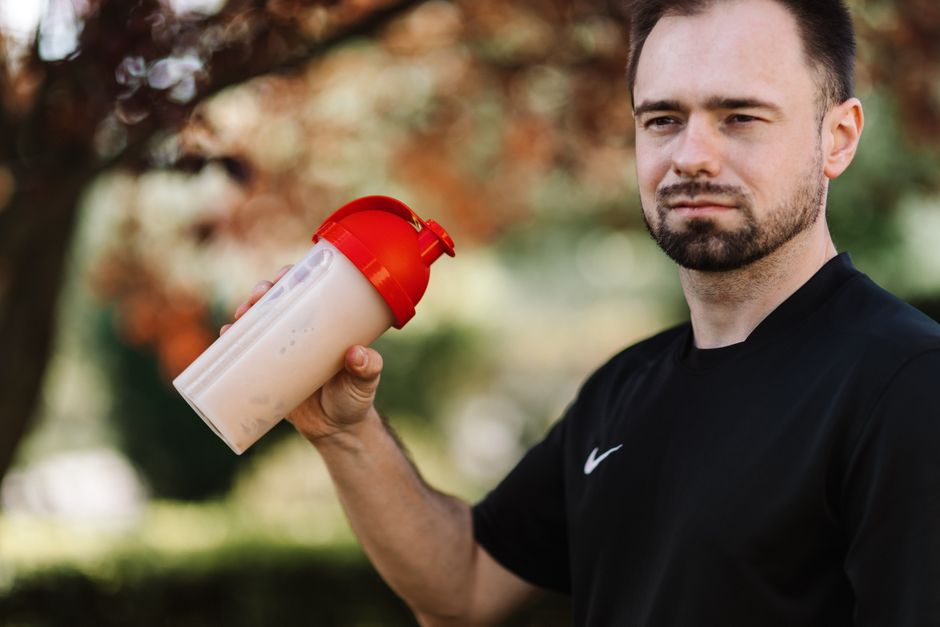
Most teenagers can safely use protein powder by about age 14 to 16, and many younger children can meet their protein needs from food alone. Protein powder is a concentrated supplement, not a required food, and the right age depends less on a birthday and more on whether a young person’s diet is already meeting their needs. For most kids and teens, food comes first.
The short answer surprises a lot of parents. There is no official minimum age set by any regulatory body for protein powder. The guidance that does exist comes from nutrition science about how much protein growing bodies actually need, and from common sense about what a supplement adds and what it replaces.
What Age Can You Take Protein Powder Safely?
Around age 14 to 16 is when protein powder becomes reasonable for most teens, and only when their regular diet falls short. Before that, the typical child’s protein needs are easily met with ordinary food.
The reasoning is straightforward. Protein needs scale with body weight, and children are smaller. A 10-year-old who eats eggs, milk, yogurt, beans, and meat or fish across the day almost always clears the bar without trying. Adding a powder on top of an already adequate diet does not build more muscle or make a child healthier. The body uses what it needs and handles the rest like any other excess calorie.
Two things change in the teen years. Growth accelerates, and some teens take up strength training or organized sports. Appetite and schedule can also work against them. A busy 15-year-old who skips lunch may genuinely struggle to eat enough protein. That is the situation where a powder can serve a practical purpose. It is a convenience food, not a performance enhancer.
There is a detail worth knowing here. Protein powder is a supplement, which means it is not reviewed by the FDA for safety and effectiveness before it is sold the way medications are. That does not make it dangerous. It does mean quality varies between products, and third-party testing matters more than the label’s promises.
How Much Protein Do Children and Teens Actually Need?
The official daily protein recommendation for young people is set by body weight, not by age alone. The standard reference is 0.95 grams of protein per kilogram of body weight per day for children aged 4 to 13, and 0.85 grams per kilogram per day for teens aged 14 to 18.
Those figures come from the Dietary Reference Intakes established by the Institute of Medicine, now part of the National Academies. They represent the amount needed to meet the requirements of nearly all healthy people in each group. Here is what that looks like in practice:
- A 10-year-old weighing about 70 pounds (32 kg) needs roughly 30 grams of protein a day.
- A 15-year-old weighing about 130 pounds (59 kg) needs roughly 50 grams of protein a day.
Those numbers are lower than many people expect. A single cup of milk has about 8 grams. A chicken breast has around 30. Three meals with a protein source each usually covers the day without any supplement at all.
Active teens and those in strength training may need somewhat more, and some sports nutrition guidance suggests higher intakes for athletes. That is a reasonable general direction, but the exact figure for a given teen is best worked out with a doctor or a registered dietitian rather than guessed from a powder label.
Is Protein Powder Safe for Teenagers?
For healthy teens eating a varied diet, protein powder is generally considered safe when used in reasonable amounts. The main risks are not the protein itself but what comes with it and what it replaces.
Three concerns come up most often:
- Added ingredients. Many powders include sugar, artificial sweeteners, caffeine, or herbal blends. Some “energy” or “pre-workout” products contain stimulants that are not appropriate for teens.
- Contamination. Because supplements are not pre-approved for safety, some products have been found to contain substances not listed on the label. Choosing products that carry third-party testing seals reduces this risk.
- Displacement. A shake can crowd out real meals. If a powder becomes a substitute for food rather than a bridge to it, the teen may end up with fewer nutrients overall, not more.
Teens with kidney disease, liver conditions, or any chronic illness should not start protein powder without talking to their doctor first. For those groups, protein intake may need to be managed carefully, and that is a medical conversation, not a label-reading one.
Should Kids Under 14 Use Protein Powder?
Children under 14 rarely need protein powder, and most nutrition professionals would steer families toward food instead. The exception is a specific medical or dietary situation, and that should be handled with a doctor or dietitian.
Young children have small bodies and modest protein needs. They also have small appetites relative to their growth demands, which means every calorie matters. Filling part of that limited space with a supplement instead of whole foods can push out iron, fiber, and other nutrients that growing kids need. That trade-off is the real reason to be cautious, not any danger in protein itself.
There are legitimate cases where a pediatric professional recommends supplemental protein or specialized nutrition products. Children with certain medical conditions, feeding difficulties, or restrictive diets may fall into this group. Those decisions belong with the child’s care team, and no general age rule applies to them.
What Should You Look For in a Protein Powder for a Teen?
If a teen is going to use protein powder, the product choice matters as much as the decision to use one. Simpler is better, and tested is better than trusted.
Look for these features:
- A short ingredient list with protein as the main component.
- No added caffeine or stimulant blends.
- A third-party testing seal from an independent lab.
- A reasonable protein amount per serving, not an extreme one.
Whey and casein are milk-based and well studied. Soy, pea, and other plant proteins are reasonable alternatives, especially for teens who avoid dairy. None of these is inherently better than the others for a healthy teen. The best choice is the one the teen will actually use as part of a balanced diet.
One practical note. Serving sizes on labels are often built for adults. A teen does not necessarily need a full adult scoop, and a smaller amount mixed into a smoothie or oatmeal is often plenty. Some clinicians suggest starting small, but there is no official dosing guideline specific to teens, so this is a judgment call rather than an established standard.
Can Protein Powder Replace Food for a Teenager?
No. Protein powder cannot replace meals, and treating it as a food substitute is where problems start. It supplies protein and little else of nutritional value.
Whole foods bring protein along with fiber, vitamins, minerals, and healthy fats that a powder does not. A shake in place of breakfast now and then is not a crisis. A pattern of replacing meals with shakes is a different matter, especially in teens, where it can feed into disordered eating patterns or simply leave them undernourished.
Parents watching a teen’s supplement use should pay attention to the bigger picture. Is the teen eating regular meals? Are they using the powder to support a training goal, or as a way to eat less? Those questions matter more than the powder itself.
Frequently Asked Questions
Can a 12-year-old have protein powder?
A 12-year-old can generally meet their protein needs with food, so a supplement is rarely necessary. If a specific medical or dietary reason exists, a doctor or dietitian should guide the decision.
Is protein powder safe for a 16-year-old?
For most healthy 16-year-olds, protein powder is considered safe when used in reasonable amounts as part of a balanced diet. Choose products without added stimulants and with third-party testing.
How much protein does a teenager need per day?
The official recommendation is about 0.85 grams of protein per kilogram of body weight per day for teens aged 14 to 18. That works out to roughly 50 grams a day for a 130-pound teen.
Does protein powder help teenagers build muscle?
Protein supports muscle growth, but extra protein beyond what the body needs does not build more muscle on its own. Strength training and adequate total calories drive muscle gain far more than any supplement.
