
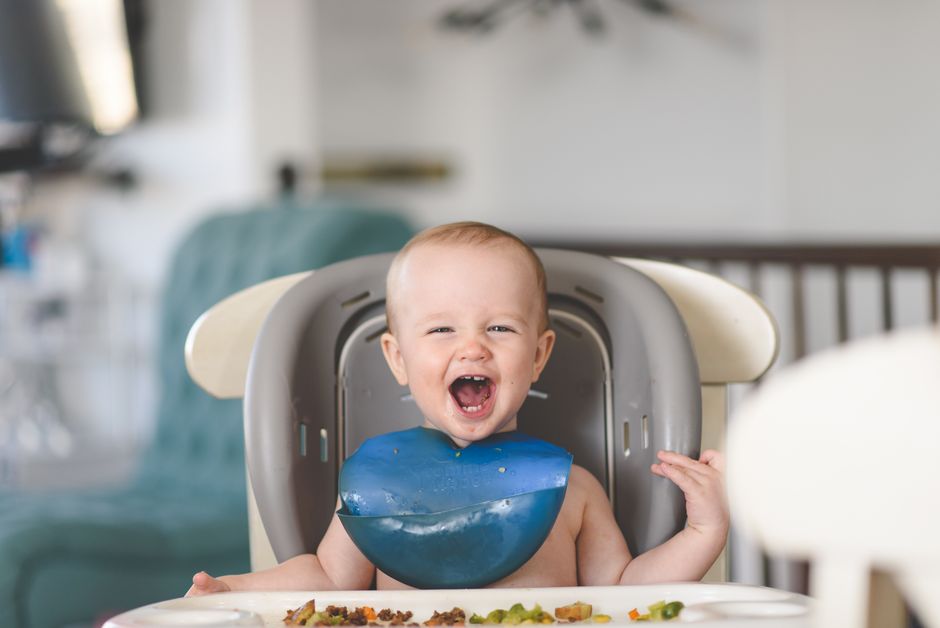
Most babies are ready to start solid foods at around 6 months of age. Not before 4 months, and ideally close to 6 months. The clearest signs are sitting up with little or no support, steady head control, and showing real interest in food. The ability to swallow rather than push food back out matters just as much.
This is one of the few areas of infant care where major health organizations around the world broadly agree. The American Academy of Pediatrics, the World Health Organization, and UNICEF all point to roughly 6 months as the right window for introducing complementary foods alongside breast milk or formula. The exact day varies from baby to baby. The readiness signs matter more than the calendar.
What Age Can Babies Eat Baby Food Signs Theyre Ready?
Six months is the standard answer, and the developmental signs are what confirm it. A baby who is 6 months old but cannot sit with support or hold their head steady is not ready yet.
Age alone is a rough guide. Development is the real test. Here is what to look for:
- Sits with support and holds head steady. This is the most important sign. A baby needs good head and neck control to swallow safely.
- Shows interest in food. They watch you eat, reach for your plate, or open their mouth when food comes near.
- Loses the tongue-thrust reflex. Newborns automatically push food out of their mouths with their tongue. This reflex fades around 4 to 6 months. Until it fades, spoon-feeding does not really work.
- Can move food to the back of the mouth and swallow. This is different from just getting food in. Swallowing is the skill that makes solids safe.
- Seems hungry between feeds. Some babies want more milk than usual, though this alone does not mean they are ready for solids.
One sign on its own is not enough. A baby who grabs at your food but cannot sit up is not ready. Look for several signs together.
Why Not Start Before 4 Months?
Starting solids before 4 months carries real risks, and this is well established. A young infant’s digestive system and swallowing skills are not developed enough for solid food.
Before 4 months, babies have a strong tongue-thrust reflex that pushes food forward and out. Their kidneys and digestive tract are still maturing. Early solids have been linked to a higher risk of choking and to digestive upset.
There is also a concern about replacing breast milk or formula too soon. These provide the bulk of a baby’s nutrition in the first year. Starting solids early can mean a baby takes in less of the milk they need.
Some research has looked at whether early introduction of certain foods affects allergy risk. This is a genuinely active area of study, and recommendations have shifted over time. For most babies, the general guidance is to start around 6 months. If you have a family history of food allergies or your baby has severe eczema, talk to your pediatrician about timing. Some clinicians recommend earlier introduction of certain allergenic foods in specific high-risk cases. That is a conversation to have with a doctor, not a decision to make from a general article.
What About Starting Later Than 6 Months?
Waiting well past 6 months is not recommended either. By around 6 months, breast milk or formula alone may no longer supply enough of certain nutrients, particularly iron and zinc.
Babies are born with iron stores that start to run low around 6 months. Solid foods, especially iron-rich ones, help fill that gap. Delaying solids too long can make it harder to meet a baby’s iron needs.
Later introduction also misses a window when babies are often more open to new tastes and textures. Babies who start solids much later can be harder to transition to textured foods.
The exception is a baby born prematurely. Their readiness should be judged by their adjusted age and their developmental signs, not their birth date. Ask your pediatrician what timing makes sense for a preemie.
How Do You Start Baby Food Safely?
Start with single-ingredient foods and one new food at a time. This makes it easier to spot a reaction if one occurs.
Iron-rich foods are a sensible first choice. Options include iron-fortified infant cereal, pureed meats, and mashed beans. Offer a small amount, once or twice a day, and let the baby set the pace.
Texture matters. Start with smooth purees and gradually move to mashed and then soft, lumpy textures. This progression helps babies learn to chew and swallow. Some parents use a baby-led approach with soft finger foods instead of spoon-feeding. Both approaches can work. The key is that the food is soft enough to squash between your fingers and the baby is always supervised and sitting upright.
A few safety points that are well established:
- Never leave a baby alone while eating.
- Always have the baby sitting upright, not reclined.
- Avoid foods that are common choking hazards for young children, such as whole grapes, whole nuts, and chunks of hard raw vegetables.
- Do not add salt or sugar to baby food.
- Do not give honey to a baby under 12 months. This is a firm rule because of the risk of infant botulism.
How Do You Know If a Baby Is Not Ready?
If a baby pushes food out with their tongue, turns away, or seems distressed, they are probably not ready. That is not a problem. Wait a week or two and try again.
Signs a baby is not yet ready include:
- They cannot hold their head steady.
- They cannot sit with support.
- They push food out with their tongue every time.
- They show no interest in food.
Pushing food out is a normal reflex, not rejection. It usually means the reflex has not faded yet. There is no benefit in forcing it. A baby who is not ready will not learn faster by being pushed.
When Should You Talk to a Doctor?
Talk to your pediatrician if your baby is around 6 months and shows no interest in food, cannot sit with support, or has trouble swallowing. Also speak up if you notice gagging that seems different from normal, coughing during feeds, or any sign of a feeding difficulty.
Feeding problems can have many causes, and a doctor can help sort out what is going on. This is especially true for babies with developmental delays, premature birth, or medical conditions. In those cases, feeding guidance should come from your care team rather than a general timeline.
Frequently Asked Questions
Can I start baby food at 4 months?
Most health organizations recommend waiting until around 6 months, and not starting before 4 months. A baby younger than 4 months is not developmentally ready for solid food.
What are the signs a baby is ready for solids?
The main signs are sitting with support, steady head control, showing interest in food, and losing the tongue-thrust reflex. Several signs together matter more than any single one.
Should I start with baby cereal or pureed food?
Either can work, and iron-rich foods are a good first choice. Iron-fortified cereal, pureed meat, and mashed beans are all reasonable options.
What if my baby refuses baby food at 6 months?
Refusing food at first is common and usually means the baby needs more time. Wait a week or two and try again without forcing it.
