
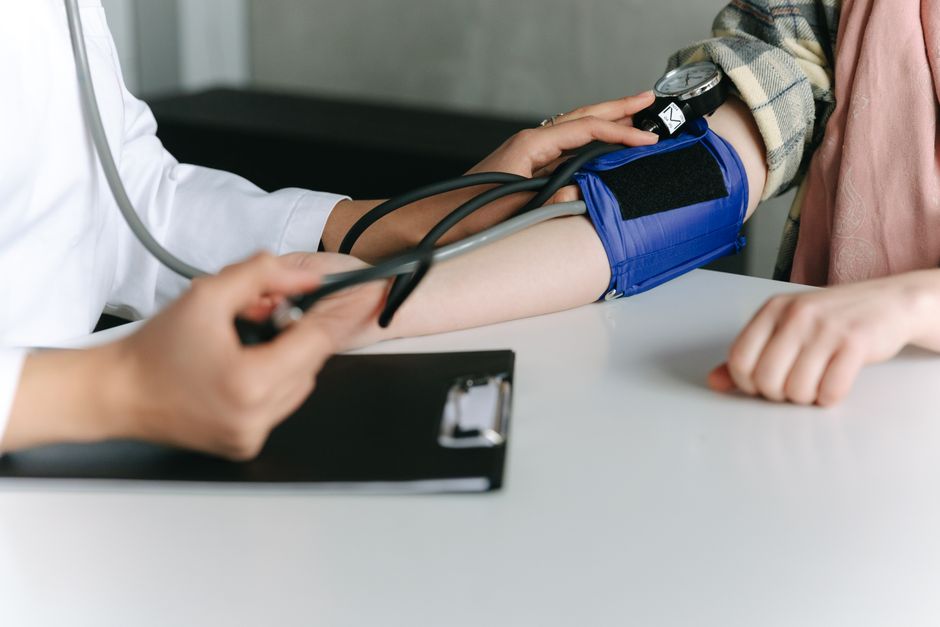
Blood pressure is the force of blood pushing against the walls of your arteries as your heart pumps. Many people think it is only about salt and stress, but the reality is far more complex. Your blood pressure reading is the result of a dynamic system influenced by your daily habits, your long-term health, and even the time of day you check it.
How Does the Body Control Blood Pressure?
Your body manages blood pressure through a precise feedback loop. When pressure drops, your kidneys release hormones that tell blood vessels to narrow and signal the heart to pump harder. When pressure rises too high, the system reverses course, allowing vessels to relax.
This system involves the heart, blood vessels, and kidneys working together. The balance is delicate and can be disrupted by many factors. Understanding what affects blood pressure starts with recognizing that it is a living measurement, not a fixed number.
What Affects Blood Pressure on a Daily Basis?
Several normal, everyday factors cause your blood pressure to rise and fall. These are not signs of disease. They are natural responses to your environment and activity.
- Physical activity: Exercise temporarily raises blood pressure because your muscles need more oxygen. After you rest, it usually drops below your baseline.
- Stress and emotions: Stress hormones like cortisol and adrenaline narrow blood vessels and speed up the heart. This raises pressure during the stressful moment.
- Caffeine: Caffeine can cause a short-term spike in blood pressure, even in people who drink it regularly. The effect typically lasts a few hours.
- Time of day: Blood pressure naturally follows a daily rhythm. It is usually lowest at night during sleep and rises in the early morning before you wake.
- Food and drink: A heavy meal can lower blood pressure temporarily as blood flows to the digestive system. Dehydration can make it drop too low.
These daily fluctuations are normal. A single high reading does not mean you have hypertension. Doctors diagnose high blood pressure based on multiple readings taken over time.
What Long-Term Factors Raise Blood Pressure?
Some influences build up over months and years. These are the factors that determine whether your resting blood pressure sits in a healthy range or creeps into dangerous territory.
Dietary sodium has a direct effect. When you eat excess salt, your body holds onto water. More fluid in your bloodstream means more pressure against your artery walls. Most Americans consume far more sodium than the recommended limit, largely from processed and restaurant foods rather than the salt shaker.
Potassium intake matters just as much. Potassium helps your kidneys flush out excess sodium and relaxes blood vessel walls. A diet rich in fruits, vegetables, and legumes naturally provides potassium. A diet heavy in processed foods often does not.
Body weight is strongly linked to blood pressure. Extra tissue requires more blood flow, which increases pressure. Fat tissue also produces inflammatory substances that can stiffen blood vessels. Losing even a moderate amount of weight often produces a measurable drop in blood pressure.
Alcohol consumption raises blood pressure in a dose-dependent way. Heavy drinking damages blood vessel walls and interferes with blood pressure medications. Limiting alcohol intake is one of the most effective lifestyle changes for lowering pressure.
Smoking and nicotine are direct culprits. Nicotine is a stimulant that narrows blood vessels and raises heart rate. Each cigarette causes a temporary spike. Over time, smoking damages the inner lining of arteries, making them stiff and less able to expand.
What Medical Conditions Affect Blood Pressure?
Blood pressure problems are rarely isolated. They often appear alongside other health conditions that share the same underlying causes.
Chronic kidney disease disrupts the body’s fluid balance. Damaged kidneys cannot filter sodium effectively, leading to fluid retention and higher pressure. This creates a dangerous cycle because high blood pressure damages the kidneys further.
Diabetes damages blood vessels over time. High blood sugar stiffens artery walls and reduces their flexibility. Many people with type 2 diabetes also have high blood pressure because both conditions are linked to insulin resistance and inflammation.
Sleep apnea causes repeated pauses in breathing during sleep. Each pause triggers a stress response that spikes blood pressure. Many people with untreated sleep apnea have resistant hypertension that does not respond well to medication alone.
Thyroid disorders can push blood pressure in either direction. An overactive thyroid raises heart rate and cardiac output. An underactive thyroid can cause weight gain and fluid retention, which also raises pressure.
Which Medications and Substances Raise Blood Pressure?
Some over-the-counter and prescription products can push blood pressure up. This is a common and often overlooked cause of difficult-to-control hypertension.
- NSAID pain relievers: Ibuprofen and naproxen can raise blood pressure by causing fluid retention. They can also interfere with blood pressure medications, especially diuretics and ACE inhibitors.
- Decongestants: Pseudoephedrine narrows blood vessels to relieve congestion. This same effect raises blood pressure.
- Birth control pills: Estrogen-containing contraceptives can raise blood pressure in some women. Blood pressure should be checked regularly for anyone taking these.
- Steroids: Both inhaled and oral corticosteroids can raise blood pressure, especially at higher doses or with long-term use.
- Antidepressants: Certain classes can raise blood pressure as a side effect, particularly SNRIs and MAOIs.
- Licorice: Natural licorice contains glycyrrhizin, which causes sodium retention and potassium loss. This can produce significant blood pressure elevation.
- Recreational stimulants: Cocaine, methamphetamine, and similar drugs cause dangerous spikes in blood pressure and can lead to stroke or heart attack.
If your blood pressure is suddenly harder to control, review every medication and supplement you take with your doctor. Even seemingly harmless products can be the cause.
What Role Do Genetics and Age Play?
Genetics set the stage. If your parents had high blood pressure, you are more likely to develop it. Researchers have identified multiple genes that influence how your body handles sodium, how your blood vessels respond to stress, and how your kidneys regulate fluid.
Age compounds these genetic risks. Blood vessels naturally stiffen as we age. The elastic fibers in artery walls break down and are replaced by less flexible collagen. This means the same amount of blood flowing through the system pushes against less forgiving walls, producing higher pressure.
This is why blood pressure guidelines are not one-size-fits-all across the lifespan. The same reading that is normal for a 70-year-old would be concerning in a 25-year-old. Age makes blood pressure management more challenging, but it does not make it impossible.
How Is High Blood Pressure Diagnosed?
Blood pressure is measured in millimeters of mercury and recorded as two numbers. The top number, systolic pressure, measures the force when your heart beats. The bottom number, diastolic pressure, measures the force when your heart rests between beats.
Normal blood pressure is below 120/80 mmHg. Elevated blood pressure is 120-129 systolic with diastolic below 80. Stage 1 hypertension is 130-139 systolic or 80-89 diastolic. Stage 2 hypertension is 140 or higher systolic or 90 or higher diastolic.
A single high reading is not enough for a diagnosis. Your doctor will confirm with readings on separate occasions. Some people experience white coat hypertension, where anxiety about being in a medical setting drives their reading up. Others have masked hypertension, where their readings in the clinic are normal but their pressure is high at home.
Home monitoring is often recommended to get a truer picture. The most accurate home readings come from a validated upper-arm cuff taken after five minutes of quiet rest, with your feet flat on the floor and your arm supported at heart level.
Can Blood Pressure Be Too Low?
Low blood pressure is generally less dangerous than high blood pressure, but it can still cause problems. Hypotension is usually defined as a reading below 90/60 mmHg.
Some people naturally run low without any symptoms. For them, it is not a concern. For others, low pressure causes dizziness, fainting, blurred vision, and fatigue. This can happen with dehydration, certain medications, heart conditions, or nervous system disorders.
A sudden drop in blood pressure when standing up is called orthostatic hypotension. It becomes more common with age and can increase the risk of falls. If you experience lightheadedness when standing, mention it to your doctor. It is often treatable with hydration, medication adjustments, or compression stockings.
What Can You Actually Do About It?
The most effective strategies for managing blood pressure are well established. They do not require expensive supplements or complicated protocols.
Reduce sodium intake to below 2,300 mg per day, with an ideal target of 1,500 mg for most adults with high blood pressure. This means reading labels and cooking more meals at home. Increase potassium through whole foods like bananas, potatoes, spinach, and beans.
Exercise is a proven intervention. The American Heart Association recommends at least 150 minutes per week of moderate-intensity aerobic activity. That breaks down to about 30 minutes per day, five days per week. Even brisk walking counts.
If you drink alcohol, limit it. For men, this means no more than two drinks per day. For women, no more than one. If you smoke, quitting is one of the single most impactful changes you can make.
For many people, lifestyle changes alone are not enough. Blood pressure medications are safe and effective when prescribed appropriately. They work through different mechanisms, and many people need more than one. Taking medication as prescribed does not mean you failed at lifestyle changes. It means your body needs more support than diet and exercise alone can provide.
Frequently Asked Questions
What time of day is blood pressure highest?
Blood pressure usually peaks in the early morning hours, typically between 6 a.m. and noon. It drops to its lowest point during deep sleep at night.
Can drinking water lower blood pressure?
Drinking water helps prevent dehydration, which can cause blood pressure to drop too low. Staying well hydrated supports normal blood pressure, but water alone does not treat high blood pressure.
Does anxiety cause permanent high blood pressure?
Anxiety causes temporary spikes in blood pressure, but it is not proven to cause permanent hypertension. However, repeated stress can contribute to habits like poor sleep and unhealthy eating that do raise long-term risk.
How long does it take for lifestyle changes to lower blood pressure?
Some changes show effects within weeks. Reducing sodium can lower pressure within a few weeks, and regular exercise often produces measurable improvements within one to three months. Weight loss effects appear gradually as pounds are lost.
