
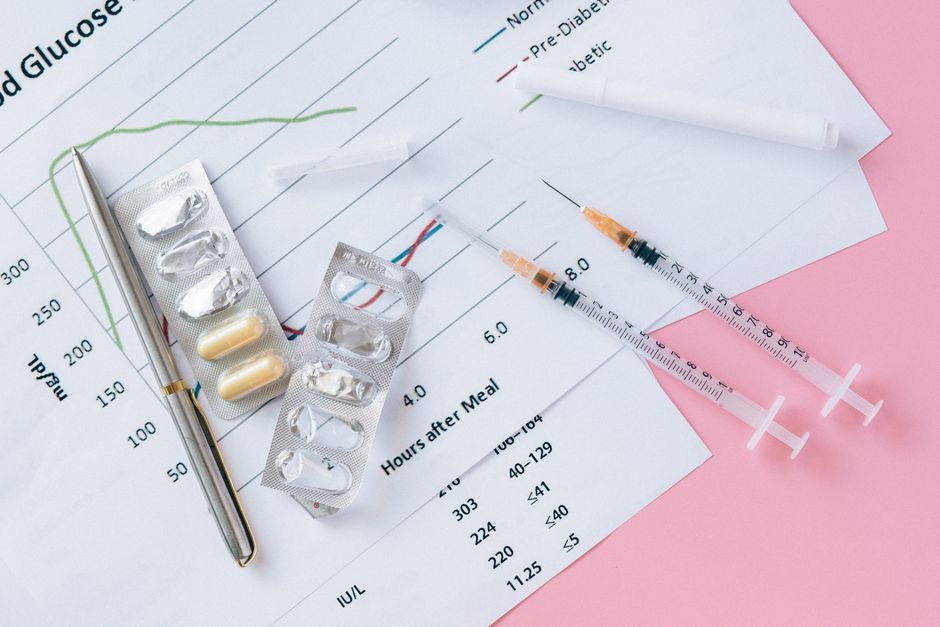
An A1C of about 6.7% matches an average glucose of roughly 148 mg/dL. That single number tells you what your blood sugar has been doing over the past two to three months, not just on the morning of your blood draw. If you are looking at a lab result or a glucose meter that says 148, the A1C question is really about what that average means for your body over time.
The relationship between A1C and average glucose is well established. A1C measures the percentage of hemoglobin in your red blood cells that has glucose attached to it. Because red blood cells live about three months, this gives a longer view than any single fingerstick. The average glucose number is a translation of that percentage into the units you see on a meter.
What A1C Is a 148 Average Glucose?
An average glucose of 148 mg/dL corresponds to an A1C of approximately 6.7%. This comes from a widely used formula developed through research that compared continuous glucose monitoring data with A1C results in thousands of people.
The formula is simple: A1C (%) = (average glucose in mg/dL + 46.7) ÷ 28.7. Working backward from 148 mg/dL gives you right around 6.7%.
It helps to see where that falls on the standard scale:
- Normal: A1C below 5.7% (average glucose roughly below 117 mg/dL)
- Prediabetes: A1C 5.7% to 6.4% (average glucose roughly 117 to 137 mg/dL)
- Diabetes: A1C 6.5% or higher (average glucose roughly 140 mg/dL and above)
At 6.7%, you are above the diabetes threshold of 6.5%. That is the key fact. It is not a borderline reading that sits in the prediabetes range. It falls into the diabetes range by standard diagnostic criteria.
One clarification that matters: A1C and average glucose are not perfectly interchangeable for every person. The formula works well across large groups, but individual results can vary based on red blood cell lifespan, certain blood disorders, and other factors. Your doctor interprets your number in context, not in isolation.
How Is A1C Different From a Single Blood Sugar Reading?
A single glucose reading is a snapshot. A1C is a long-exposure photograph.
When you prick your finger and get a number, that tells you what your blood sugar was at that exact moment. It can swing widely depending on what you ate, how recently you exercised, how you slept, and even stress. A reading of 148 after a meal is a different situation than a reading of 148 after an eight-hour fast.
A1C smooths all of that out. It reflects the cumulative effect of glucose attaching to hemoglobin over the lifespan of your red blood cells, which is about 120 days. This is why doctors often use A1C as the primary tool for diagnosing diabetes and tracking long-term control.
Neither number is better than the other. They answer different questions. A1C tells you the trend. Individual readings tell you the pattern within that trend. If your A1C is 6.7% but your fasting readings are consistently normal, that suggests your blood sugar may be rising mainly after meals. That is useful information your A1C alone cannot give you.
What Does an A1C of 6.7% Mean for Your Health?
An A1C of 6.7% meets the standard threshold for diagnosing diabetes. The American Diabetes Association and other major clinical bodies use 6.5% as the cutoff. A result at or above that level, confirmed by a repeat test, is generally considered diagnostic.
What that means for your health depends heavily on how long your blood sugar has been elevated and whether other risk factors are present. Sustained high blood glucose damages blood vessels over time. The damage tends to accumulate silently. Many people with early type 2 diabetes feel completely normal.
The complications associated with prolonged high blood sugar include:
- Nerve damage, especially in the feet and hands
- Kidney disease
- Eye damage that can lead to vision loss
- Increased risk of heart disease and stroke
These are not immediate consequences of one elevated A1C. They develop over years. The reason an A1C of 6.7% gets attention is that it gives you a chance to act before those complications take hold.
An important nuance: some clinicians consider an A1C between 6.5% and 7.0% to be relatively early in the disease process for type 2 diabetes. The evidence consistently shows that earlier intervention leads to better long-term outcomes. But the specific treatment approach is a conversation between you and your doctor, not something a number decides on its own.



Can You Lower an A1C of 6.7%?
Yes. A1C responds to changes in blood sugar over time, and the same three-month window that created the number can also change it.
The main levers are well established:
- Diet: Reducing refined carbohydrates and added sugars lowers post-meal glucose spikes.
- Physical activity: Muscle contractions during exercise pull glucose out of the bloodstream without needing extra insulin.
- Weight: For people carrying extra weight, even modest loss can improve insulin sensitivity.
- Medication: When lifestyle changes are not enough, several classes of drugs can lower A1C. Metformin is one of the most commonly prescribed for type 2 diabetes.
How much any of these lowers A1C varies from person to person. No single intervention works the same way for everyone. Some people see meaningful drops from diet and exercise alone. Others need medication. That is not a failure of effort. Type 2 diabetes involves multiple genetic and metabolic factors that go beyond lifestyle.
What the research does show clearly is that lowering A1C reduces the risk of complications. The relationship between A1C reduction and fewer diabetes-related problems is one of the better-established findings in diabetes care.
What Are the Limitations of the A1C Test?
A1C is not perfect. It can be misleading in certain situations, and knowing when to question it matters.
Conditions that affect red blood cell lifespan will skew A1C results. If your red blood cells die faster than normal, your A1C will read lower than your true average glucose. If they live longer, it will read higher. This can happen with:
- Anemia, particularly iron deficiency or hemolytic anemia
- Recent blood loss or transfusion
- Chronic kidney disease
- Certain hemoglobin variants, including sickle cell trait
- Pregnancy
In these cases, your doctor may rely more on glucose readings from a meter or a continuous glucose monitor instead of A1C alone. Some clinicians also use a test called fructosamine, which reflects glucose over a shorter period of about two to three weeks.
There is also the issue of what A1C hides. Two people can have the same A1C but very different glucose patterns. One might run steady at 148 all day. Another might swing from 80 to 220 and back. The A1C looks the same, but the second pattern involves more extreme highs and lows. For people on insulin, that distinction matters for safety.
This is why continuous glucose monitoring has become more common. It shows the full picture, not just the average.
Does an A1C of 6.7% Always Mean Diabetes?
Not automatically. A single A1C result above 6.5% is generally confirmed with a repeat test before a diagnosis is made, unless symptoms are clearly present and glucose levels are unequivocally high.
There are scenarios where an elevated A1C does not reflect true diabetes. As noted above, conditions affecting red blood cells can push the number up or down. Some medications, including certain steroids, can raise blood sugar. Acute illness or infection can temporarily elevate glucose levels.
That said, an A1C of 6.7% in someone without any of those confounders is a strong signal. It should not be dismissed as a lab error or a one-time fluke. The standard approach is to repeat the test and, if confirmed, begin a conversation about management.
Some people in this range are diagnosed with type 2 diabetes. Others may be in an early stage where the classification is less clear. The distinction between prediabetes and early diabetes at the margins is not always sharp. What matters more than the label is what you do next.
Frequently Asked Questions
What A1C is 148 average glucose?
An average glucose of 148 mg/dL corresponds to an A1C of approximately 6.7%. This falls above the 6.5% threshold used to diagnose diabetes.
Is an A1C of 6.7 considered diabetes?
Yes, an A1C of 6.7% meets the standard diagnostic threshold for diabetes, which is 6.5% or higher. Most doctors confirm the result with a repeat test before making a formal diagnosis.
Can an A1C of 6.7% be reversed?
A1C can be lowered through diet, exercise, weight loss, and medication when needed. Whether it returns to the normal range depends on the individual, and some people need ongoing treatment to maintain control.
How often should A1C be tested?
For people with diabetes, A1C is typically checked every three to six months, depending on how well blood sugar is controlled. People without diabetes may be screened less often based on risk factors.
