
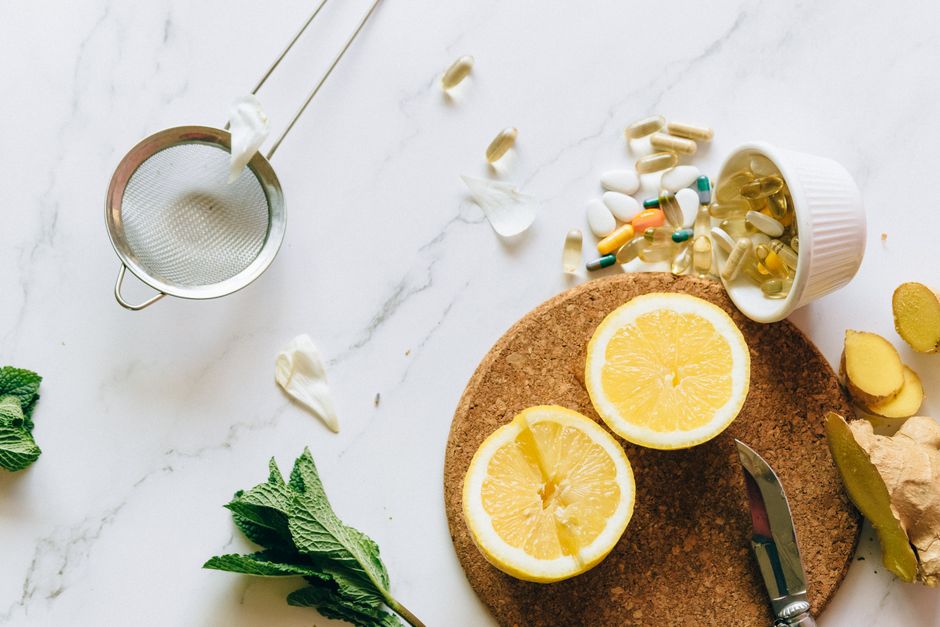
A ginger shot is a small, concentrated drink made from fresh ginger root, often mixed with lemon juice and a pinch of cayenne. Many people take one daily hoping it will settle their stomach and reduce bloating. The honest answer is that ginger shots can help with certain types of bloating, but they are not a cure-all for every cause of a swollen belly.
The active compounds in ginger, particularly gingerols and shogaols, have real effects on the digestive tract. They speed up gastric emptying, which means food moves out of your stomach faster. They also reduce inflammation in the gut lining. For bloating caused by slow digestion or mild inflammation, a ginger shot can genuinely help. For bloating caused by gas trapped in the intestines, the effect is less direct and less reliable.
What A Ginger Shot Actually Does For Bloating
A ginger shot works on bloating through several distinct mechanisms. The most established effect is on gastric emptying. Research consistently shows that ginger accelerates the rate at which the stomach empties its contents into the small intestine. When food lingers in the stomach longer than normal, it creates that heavy, full sensation. By speeding up this process, ginger can relieve that specific kind of upper abdominal bloating.
Ginger also has anti-inflammatory properties. The gingerols in fresh ginger inhibit the production of pro-inflammatory compounds in the body. Some studies suggest this can reduce inflammation in the gastrointestinal tract, which may ease bloating associated with inflammatory conditions. However, the concentration in a single shot is modest, and the effect is not comparable to prescription anti-inflammatory medication.
The third mechanism is less direct. Ginger stimulates the production of digestive enzymes and bile. This helps break down fats and proteins more efficiently. When digestion runs more smoothly, less gas is produced as a byproduct. This may reduce bloating over time, but it is not an immediate fix.
What a ginger shot does not do is absorb trapped gas that is already sitting in your intestines. That type of bloating, often caused by fermentation of undigested carbohydrates, is not directly relieved by ginger. If your bloating comes from eating beans, broccoli, or other high-FODMAP foods, a ginger shot will not undo that.
How Fast Does A Ginger Shot Relieve Bloating?
The timeline matters if you are reaching for a ginger shot expecting quick relief. The effect on gastric emptying begins within about 30 to 60 minutes after consumption. That is when you may notice the heavy, full feeling in your upper stomach start to ease.
For inflammation-related bloating, the timeline is longer. The anti-inflammatory effects build up over hours, not minutes. A single shot may produce a subtle improvement, but consistent daily use over several days or weeks is more likely to yield noticeable changes.
For gas-related bloating in the lower abdomen, the timeline is unpredictable. There is no reliable evidence that ginger directly reduces intestinal gas. If you feel relief after a ginger shot, it may be from the warming sensation or the placebo effect rather than a measurable physiological change.
One important detail is the difference between fresh ginger and dried ginger. Fresh ginger contains higher levels of gingerols, which are the compounds most linked to digestive benefits. Dried ginger has more shogaols, which form when gingerols are heated. Both have activity, but the fresh root in a typical ginger shot delivers the compounds most studied for gastric emptying.
How Much Ginger Is In A Shot And Is That Enough?
A standard ginger shot contains roughly 1 to 2 ounces of liquid, which translates to about 10 to 20 grams of fresh ginger root. That is a significant amount. Research on ginger and gastric emptying typically uses doses in the range of 1 to 2 grams of ginger powder, which is comparable to the active compound content in a fresh shot.
The concentration is important. Ginger ale, ginger tea, or ginger added to cooking contains far lower amounts of active compounds. A shot delivers a concentrated dose that is more likely to produce measurable digestive effects. That said, taking more than one or two shots per day does not appear to add additional benefit and may increase the risk of heartburn or stomach irritation.
If you are sensitive to spicy foods, start with a smaller amount. Ginger can irritate the stomach lining in some people, especially on an empty stomach. The cayenne pepper often added to commercial ginger shots can also trigger heartburn. If you experience burning or discomfort after a shot, that is a sign your digestive tract does not tolerate it well.




Does The Type Of Bloating Matter?
Bloating is not one single condition. It has several distinct causes, and ginger does not treat them all equally. Understanding the cause of your bloating tells you whether a ginger shot is worth trying.
Bloating from slow gastric emptying responds best to ginger. This often feels like pressure or fullness in the upper abdomen after eating, sometimes with early satiety. If you feel full after just a few bites of a meal, this may be your issue.
Bloating from intestinal gas responds poorly to ginger. This type usually causes a distended lower belly, sometimes with cramping or flatulence. It comes from bacteria fermenting undigested carbohydrates in the colon. Ginger does not stop that fermentation process.
Bloating from constipation is a separate category. Ginger does not act as a laxative. It does not stimulate bowel contractions the way fiber or certain medications do. If constipation is the root cause, a ginger shot will not provide meaningful relief.
Bloating from fluid retention is unrelated to digestion entirely. This type often worsens later in the day, is worse in the lower legs, and may be linked to sodium intake or hormonal changes. Ginger has no established effect on fluid balance.
What The Research Actually Shows
The strongest evidence for ginger and digestion comes from studies on gastric emptying. Research published in the European Journal of Gastroenterology and Hepatology found that ginger accelerated gastric emptying in healthy volunteers. Participants who took ginger capsules emptied their stomachs faster than those who took a placebo.
Other studies have looked at ginger for nausea, particularly pregnancy-related nausea and chemotherapy-induced nausea. The evidence there is solid enough that ginger is considered a reasonable non-drug option for mild nausea. This is relevant because nausea and bloating often occur together.
The evidence for ginger specifically as an anti-bloating agent is thinner. No large clinical trials have measured ginger shots against a placebo for bloating as the primary outcome. The current understanding is built on the gastric emptying research and on the anti-inflammatory properties of gingerols. That is reasonable evidence, but it is not the same as a direct trial proving bloating relief.
Some marketing claims go further, suggesting ginger shots detoxify the body or eliminate bloating entirely. No study has confirmed these claims. The body detoxifies itself through the liver and kidneys. Ginger does not accelerate that process in any meaningful way.
Are There Risks Or Side Effects?
Ginger is generally safe for most adults in the amounts found in a typical shot. The FDA lists ginger as generally recognized as safe. Side effects are uncommon but possible.
Heartburn is the most frequently reported side effect. Ginger can relax the lower esophageal sphincter, which allows stomach acid to flow back up into the esophagus. If you are prone to acid reflux, a concentrated ginger shot may make it worse.
Stomach irritation can occur, especially if you take a shot on an empty stomach. The pungent compounds in ginger stimulate gastric acid production. For some people this causes discomfort rather than relief.
Blood-thinning effects are a theoretical concern. Ginger has mild antiplatelet activity, meaning it can slightly reduce blood clotting. For most people this is not an issue. If you take blood thinners like warfarin or have a bleeding disorder, talk to your doctor before using ginger shots regularly.
If you are pregnant, the evidence on ginger safety is mixed. Some studies suggest it is safe in small amounts, but no clinical guidelines currently exist for this population. Discuss ginger shots with your obstetrician before using them regularly.
Practical Tips For Using Ginger Shots For Bloating
If you want to try a ginger shot for bloating, the way you take it matters. Take it before a meal rather than after. The gastric emptying effect is most useful when ginger is already active in your system as food arrives.
Start with a small amount, especially if you are not used to spicy foods. Half a shot is a reasonable starting point. You can increase to a full shot if you tolerate it well.
Do not take ginger shots on a completely empty stomach if you are prone to heartburn. Having a small amount of food first may reduce irritation while still allowing the digestive benefits.
Choose fresh ginger over dried or powdered forms. The fresh root has the highest concentration of the compounds linked to gastric emptying. Most commercial ginger shots use fresh ginger, which is appropriate.
Be aware that most commercial ginger shots contain lemon juice and cayenne pepper. These add flavor and may have their own minor digestive effects. The lemon juice adds vitamin C but also increases acidity. The cayenne adds heat and can trigger heartburn in sensitive individuals.
If you do not notice any change in bloating after two weeks of regular use, ginger is likely not addressing the cause of your problem. It is worth looking at other factors like food intolerances, fiber intake, or eating speed.
Alternatives That May Work Better
Ginger is not the only option for bloating, and for some causes it is not the best one. If your bloating comes from intestinal gas, a product containing simethicone may be more effective. This compound breaks up gas bubbles in the intestine, which is a direct mechanical effect.
For bloating from constipation, increasing soluble fiber and water intake is more effective than ginger. Psyllium husk or other soluble fibers soften stool and promote regular bowel movements.
For bloating from food intolerances, the only effective approach is identifying and avoiding the trigger food. Lactose, gluten, and certain fermentable carbohydrates are common culprits. Ginger will not override an intolerance.
Peppermint oil has better evidence than ginger for irritable bowel syndrome symptoms, including bloating. The menthol in peppermint relaxes intestinal smooth muscle, which can reduce cramping and gas discomfort. Some studies suggest it is genuinely helpful.
If bloating is severe, persistent, or accompanied by pain, weight loss, or blood in the stool, do not rely on ginger shots. See a doctor. These symptoms can indicate conditions that need proper evaluation.
Frequently Asked Questions
Can ginger shots cause bloating instead of relieving it?
Yes, in some people. Ginger stimulates gastric acid production, which can cause heartburn or stomach irritation that feels like bloating or discomfort.
How many ginger shots can I take in a day?
One shot per day is a reasonable maximum for most people. Taking more increases the risk of heartburn and stomach irritation without adding meaningful digestive benefit.
Should I take ginger shots on an empty stomach?
No, especially if you are prone to heartburn. A small amount of food first can reduce irritation while still allowing the gastric emptying benefits.
How long does it take for a ginger shot to work for bloating?
The gastric emptying effect begins within 30 to 60 minutes. For inflammation-related bloating, consistent daily use over days or weeks is more likely to produce noticeable changes.
