
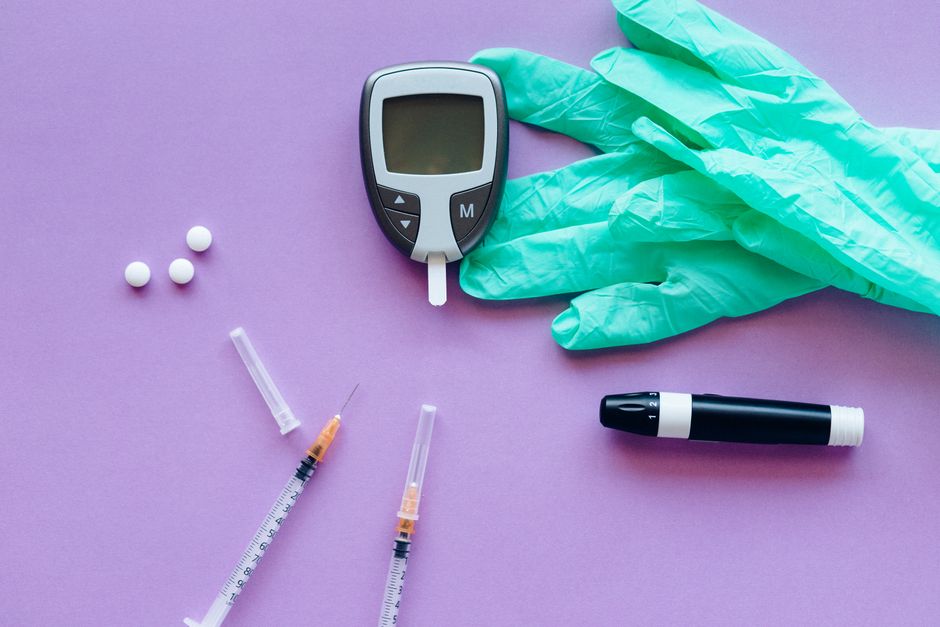
What a diabetic should eat to control blood sugar comes down to a simple principle: foods that raise glucose slowly and modestly, in portions that match the body’s ability to handle them. Vegetables, legumes, whole intact grains, nuts, and lean proteins form the core of that pattern. Sugary drinks and refined starches work against it because they push blood glucose up fast. The goal is not a perfect diet. It is a repeatable way of eating that keeps glucose in a safer range and fits your life.
What A Diabetic Should Eat To Control Blood Sugar?
There is no single food that controls diabetes. The pattern matters more than any one item.
Three things drive the glucose response to a meal: the amount of carbohydrate, the type of carbohydrate, and what you eat alongside it. Fat, protein, and fiber all slow digestion and blunt the rise in blood sugar after eating. That is why a plain white roll and a roll eaten with chicken, olive oil, and vegetables do not behave the same way in the body.
This is also why “diabetic” packaged foods are often a poor guide. Many contain as much refined starch and sugar as the regular version, sometimes more. The American Diabetes Association has moved away from the old idea of a single “diabetic diet” and toward an individualized eating plan built around whole foods, with carbohydrate intake matched to each person.
What works for one person may not work for another. Blood glucose responses to the same meal vary between people. Testing your own glucose after meals is the most reliable way to learn how your body responds.
Which Carbohydrates Raise Blood Sugar Most?
Carbohydrates are the nutrient that raises blood glucose the most, and refined carbohydrates raise it fastest.
When a grain is stripped of its bran and germ, the resulting flour digests quickly. White bread, white rice, most breakfast cereals, crackers, and pastries break down into glucose within minutes. That rapid release is hard for a body with impaired insulin function to manage.
Whole grains behave differently. The intact fiber slows digestion, so glucose enters the bloodstream more gradually. Oats, barley, quinoa, brown rice, and whole wheat in less processed forms generally produce a slower rise than their refined counterparts. The form matters as much as the grain. Steel-cut oats and rolled oats are not the same as instant flavored oatmeal.
Sugar-sweetened beverages deserve a category of their own. Regular soda, sweet tea, fruit punch, and many coffee drinks deliver a large carbohydrate load in liquid form, with no fiber or protein to slow it down. For most people with diabetes, these are the single easiest thing to cut.
Fruit is a different case. Whole fruit contains fiber and water, which slows sugar absorption. Fruit juice strips that fiber out. Whole fruit in reasonable portions is generally a good choice; juice is closer to a sugary drink.
How Does Fiber Help Control Blood Sugar?
Fiber slows the rate at which glucose enters the bloodstream and supports steadier glucose levels.
Soluble fiber, found in oats, barley, beans, lentils, apples, and carrots, forms a gel in the gut. That gel slows digestion and the release of glucose. Insoluble fiber, found in whole grains, nuts, and the skins of vegetables, adds bulk and helps with regularity.
Most adults in the US fall short of recommended fiber intake. For people with diabetes, getting more fiber from food is one of the more reliable dietary changes available. It does not require special products. Beans, lentils, vegetables, and whole grains are ordinary foods that happen to be high in fiber.
Increase fiber gradually. A sudden jump can cause gas and bloating. Add a little at a time and drink enough water.
What Should Fill Your Plate?
A simple plate method helps many people with diabetes without counting or weighing anything.
Fill half the plate with non-starchy vegetables. These include leafy greens, broccoli, cauliflower, peppers, green beans, tomatoes, and cucumbers. They add volume, fiber, and nutrients with very little carbohydrate.
Fill a quarter with lean protein. Chicken, turkey, fish, eggs, tofu, and beans all work. Protein slows digestion and helps with fullness.
Fill the last quarter with a whole or minimally processed carbohydrate. Brown rice, quinoa, a sweet potato, or whole grain bread. Keeping that portion to about a quarter of the plate helps control the total carbohydrate load.
Add a small amount of healthy fat. Olive oil, avocado, nuts, or seeds. Fat slows digestion and adds satisfaction.
This method is a starting framework, not a rule. Portion sizes still matter, and needs vary with body size, activity, medications, and other health conditions.
How Do Protein And Fat Affect Blood Sugar?
Protein and fat have little direct effect on blood glucose, but they change how fast carbohydrate is absorbed.
When protein and fat are eaten with carbohydrate, the stomach empties more slowly and glucose enters the bloodstream more gradually. This flattens the post-meal glucose peak. That does not mean fat and protein are free of effects. Large amounts of protein can raise glucose modestly in some people, and very high-fat meals can increase insulin resistance for hours afterward.
Fat quality matters for other reasons. People with diabetes have a higher risk of heart disease, and replacing saturated fat with unsaturated fat is a well-established way to support heart health. Olive oil, nuts, seeds, and fatty fish are good sources of unsaturated fat.
Protein needs vary. For most adults, ordinary portions at each meal are enough. People with kidney disease may need different protein targets and should follow guidance from their care team.
Which Foods Should A Diabetic Limit?
Some foods make blood sugar harder to control, mostly because they deliver a large carbohydrate load quickly.
- Sugar-sweetened drinks, including soda, sweet tea, and most fruit punch
- White bread, white rice, and refined pasta in large portions
- Most breakfast cereals, especially sweetened ones
- Candy, cookies, cake, and other sweets eaten on their own
- Processed snacks like chips and crackers
- Fruit juice in large amounts
This is not a list of forbidden foods. It is a list of foods that are easy to overdo and hard on glucose control. Many people find that eating them less often, in smaller portions, and alongside protein or fat reduces their impact.
Alcohol deserves a note. It can lower blood glucose for hours after drinking, which raises the risk of low blood sugar, especially for people on insulin or certain medications. If you drink, talk with your care team about how it fits your situation.
Does Meal Timing Matter?
When you eat can matter as much as what you eat, though the evidence here is less settled than for food choice.
Eating at consistent times helps some people keep glucose steadier, especially those on insulin or medications that can cause low blood sugar. Skipping meals can be risky for people on those medications.
Some research suggests that eating more of the day’s calories earlier and fewer later may support better glucose control. The evidence is not strong enough to make this a universal recommendation. What works varies, and forcing an eating schedule that does not fit your life rarely lasts.
What is well established: eating large, carbohydrate-heavy meals late at night tends to produce higher morning glucose for many people. Shifting those calories earlier in the day often helps.
Do You Need To Count Carbohydrates?
Carbohydrate counting is one valid approach, not the only one.
For people on insulin, counting carbohydrates is often part of matching doses to meals. It gives precision that other methods cannot. For people not on insulin, the plate method or simply choosing lower-carbohydrate foods often works just as well without the daily math.
The best approach is the one you can keep doing. A plan that is technically perfect but impossible to maintain will not help. A simpler plan you follow consistently usually beats a complicated one you abandon.
Whichever method you choose, checking your blood glucose gives you feedback. Patterns over days and weeks tell you more than any single reading.
Frequently Asked Questions
Can a diabetic eat fruit?
Yes. Whole fruit contains fiber and water that slow sugar absorption, so it generally affects blood glucose less than juice or sweets. Portion size still matters, and berries and apples tend to have less impact than bananas or grapes.
Is brown rice better than white rice for blood sugar?
Brown rice generally produces a slower and smaller rise in blood glucose than white rice because it retains its fiber-rich bran. The difference is real but modest, so portion size still matters.
What is the best breakfast for a diabetic?
A breakfast built around protein, fiber, and a modest amount of whole carbohydrate tends to work well. Eggs with vegetables and a small portion of oats or whole grain toast is one example. Sweetened cereal and juice are the foods most likely to spike morning glucose.
Can you control blood sugar without medication?
Some people with type 2 diabetes can manage glucose through diet, activity, and weight change, especially early in the condition. Whether medication is needed depends on how well glucose responds and should be decided with your care team.
