
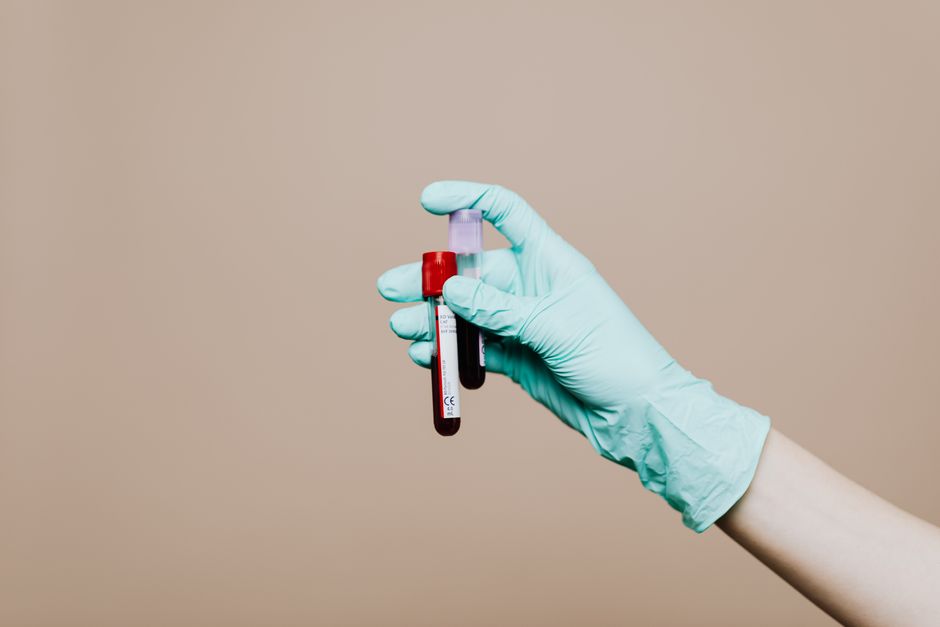
A DAO blood test measures the level of diamine oxidase, an enzyme your body uses to break down histamine in food. If your DAO level is low, it suggests your body may struggle to clear histamine efficiently, which can point to histamine intolerance as a possible cause of your symptoms. This test is one piece of the diagnostic puzzle, and it works best when combined with a careful review of your symptoms and diet history.
What Exactly Is Diamine Oxidase?
Diamine oxidase, or DAO, is an enzyme produced mainly in the lining of your small intestine. Its job is to break down histamine that enters your body through food. Histamine is a natural compound found in many foods, including aged cheese, fermented products, cured meats, and certain fish.
When your DAO levels are normal, the enzyme quickly processes dietary histamine before it can cause problems. When DAO activity is low, histamine can build up in your bloodstream. This buildup can trigger symptoms that look like an allergic reaction, even though no true allergy is present.
Understanding this mechanism matters because it explains why the test is clinically useful. A low DAO level does not cause symptoms by itself. It creates the conditions where histamine accumulates, and that accumulation produces the symptoms you feel.
How Is The DAO Blood Test Performed?
The DAO blood test is a simple blood draw, usually from a vein in your arm. No special preparation is required in most cases, though some clinicians recommend fasting beforehand. The sample is sent to a laboratory that measures the amount of DAO enzyme activity in your blood serum.
Results are typically reported as a numerical value in units of histaminase activity per milliliter. Reference ranges vary slightly between laboratories, but a common threshold is around 10 U/mL. Values below this cutoff are often considered low and may support a diagnosis of histamine intolerance.
Your doctor will interpret the result in context. A single low reading is not enough to confirm histamine intolerance on its own. It must be paired with your symptom history and, ideally, with a dietary trial to see if symptoms improve when high-histamine foods are reduced.
What Does A Low DAO Level Actually Mean?
A low DAO level means your body likely has reduced capacity to break down dietary histamine. This is not a disease by itself. It is a functional finding that helps explain why you may experience symptoms after eating certain foods.
Research consistently shows that many people with suspected histamine intolerance have lower DAO activity compared to people without symptoms. However, the relationship is not perfect. Some people with low DAO levels have no symptoms at all, and some people with clear histamine intolerance have normal DAO levels. This is why the test is not a standalone diagnosis.
Low DAO can result from several underlying causes. Genetic variations can reduce enzyme production. Certain medications, including some blood pressure drugs and antidepressants, can inhibit DAO activity. Gastrointestinal conditions that damage the intestinal lining, such as celiac disease or inflammatory bowel disease, can also reduce DAO output.





What Are The Common Symptoms Of Histamine Intolerance?
Symptoms of histamine intolerance typically appear within minutes to a few hours after eating high-histamine foods. They can affect multiple body systems, which often makes the condition difficult to recognize.
Common symptoms include:
- Headaches or migraines
- Skin flushing or redness
- Hives or itchy skin
- Nasal congestion or runny nose
- Sneezing
- Digestive issues such as bloating, diarrhea, or abdominal pain
- Heart palpitations
- Fatigue or dizziness
These symptoms overlap significantly with allergies, food sensitivities, and other conditions. This overlap is why a DAO blood test can be helpful. It provides an objective data point that can support or challenge the suspicion of histamine intolerance.
It is important to note that symptoms alone cannot confirm the diagnosis. Many conditions produce similar symptoms, including mast cell activation syndrome, irritable bowel syndrome, and true food allergies. A DAO test helps narrow the possibilities, but it does not rule out these other conditions.
How Does The DAO Test Compare To Other Diagnostic Methods?
The DAO blood test is one of several approaches clinicians use to evaluate histamine intolerance. Each method has strengths and limitations.
The most common approach is a dietary elimination trial. You remove high-histamine foods for two to four weeks and track your symptoms. If symptoms improve significantly, you reintroduce those foods and see if symptoms return. This method is considered the clinical gold standard because it directly tests the relationship between food and symptoms in your body.
A DAO blood test adds objective information. It measures your enzyme capacity directly, which can help explain why you react to certain foods. However, it does not tell you which foods trigger your symptoms. Only a dietary trial can do that.
Some clinicians also use a skin prick test or blood test for specific allergies to rule out true allergic reactions. These tests are not interchangeable with a DAO test. They measure different things. An allergy test looks for IgE antibodies, while a DAO test measures enzyme activity.
There is also a genetic test that looks for variations in the AOC1 gene, which provides instructions for making DAO. Some research suggests certain gene variants are more common in people with histamine intolerance. However, genetic testing is less commonly used in clinical practice, and the evidence linking specific variants to symptoms is still developing.
Can Medications Or Other Factors Affect Your DAO Level?
Yes. Several medications are known to inhibit DAO activity. This is an important consideration when interpreting your test result.
Common DAO inhibitors include:
- Some nonsteroidal anti-inflammatory drugs, such as ibuprofen and aspirin
- Certain antidepressants, including mirtazapine and venlafaxine
- Some blood pressure medications, particularly calcium channel blockers
- Histamine H2 receptor antagonists used for acid reflux, such as cimetidine
- Some antibiotics
If you are taking any of these medications, your DAO level may appear lower than your baseline. This does not necessarily mean you have histamine intolerance. It may mean your medication is temporarily reducing your enzyme activity.
Alcohol can also inhibit DAO activity. Even moderate alcohol consumption can reduce DAO levels for several hours. This is one reason why some people experience flushing or headaches after drinking wine, particularly red wine, which is also high in histamine.
Your doctor should review your medication list before interpreting your DAO result. If you are taking a known inhibitor, the test result may need to be interpreted with caution or repeated after adjusting your medication under medical supervision.
What Should You Do If Your DAO Level Is Low?
A low DAO level warrants a structured approach rather than immediate drastic dietary changes. Start by discussing the result with your doctor. They can help rule out other conditions that might explain your symptoms.
If histamine intolerance is suspected, the next step is usually a low-histamine diet trial. This involves avoiding high-histamine foods for a defined period, typically two to four weeks. During this time, you track your symptoms daily. If symptoms improve, the diagnosis is supported. If they do not improve, histamine intolerance is less likely to be the cause.
Foods commonly restricted on a low-histamine diet include aged cheeses, fermented foods like sauerkraut and kimchi, cured or smoked meats, canned fish, shellfish, tomatoes, spinach, eggplant, and alcohol. Freshly prepared foods are generally lower in histamine than leftovers, because histamine levels rise as food sits.
Some clinicians recommend DAO enzyme supplements taken before meals. These supplements provide a source of DAO to help break down dietary histamine. The evidence for their effectiveness is mixed. Some studies show modest benefits, while others show no significant improvement compared to placebo. If you consider this option, discuss it with your doctor first.
No clinical guidelines currently specify a standard dose for DAO supplements. The products vary in enzyme content, and research on optimal dosing is limited. This means you should not self-prescribe a specific amount without medical guidance.
What Are The Limitations Of The DAO Blood Test?
The DAO blood test has clear limitations that you should understand before relying on it. First, a low DAO level does not always mean you have histamine intolerance. As mentioned, some people with low DAO have no symptoms. The test identifies reduced enzyme capacity, not the presence of symptoms.
Second, a normal DAO level does not rule out histamine intolerance. Histamine intolerance can also result from an imbalance in histamine production or from reduced activity of other enzymes involved in histamine breakdown, such as histamine N-methyltransferase. The DAO test measures only one part of the system.
Third, the test measures serum DAO, which may not perfectly reflect DAO activity in your intestinal lining. Most DAO is produced locally in the gut. The amount that circulates in your blood may not fully represent what is happening at the site of histamine absorption.
Fourth, reference ranges vary between laboratories. A value considered low in one lab may be within normal range in another. Always interpret your result using the reference range provided by the specific laboratory that analyzed your sample.
Because of these limitations, the DAO blood test is best used as a supporting tool rather than a definitive diagnostic test. It can strengthen a clinical suspicion, but it should not be used alone to confirm or exclude histamine intolerance.
Frequently Asked Questions
How accurate is a DAO blood test for histamine intolerance?
A DAO blood test is moderately accurate but not definitive on its own. It is most useful when combined with a symptom diary and a dietary elimination trial.
Can I take the DAO blood test without fasting?
Fasting is not always required, but some clinicians recommend it for consistency. Follow the specific instructions your doctor or laboratory provides.
What is a normal DAO level?
Most laboratories consider values above 10 U/mL to be normal, but reference ranges vary by lab. Your result should be interpreted using the range printed on your specific report.
Can supplements increase my DAO level?
DAO enzyme supplements do not increase your blood DAO level; they provide DAO directly to the digestive tract. The evidence for their effectiveness is mixed, and no standard dosing guidelines exist.
