
Sunburn peeling is a normal part of the healing process, but you should never pull or peel the dead skin off yourself. The peeling happens because your body is removing damaged skin cells to make way for new, healthy ones. Forcing the peel can expose raw, unhealed skin underneath, which increases your risk of infection, scarring, and further sun damage. Your best move is to let the skin come off on its own while you keep the area moisturized and protected.
Why Does Sunburned Skin Peel?
Sunburn is a radiation burn. Ultraviolet (UV) rays damage the DNA in your skin cells. When the damage is severe enough, the skin cells trigger a process called apoptosis, which is programmed cell death. This is your body’s way of removing cells that could become cancerous.
Your immune system responds by sending extra blood flow to the area, which is why the skin turns red and feels hot. Over the next few days, the damaged cells die and begin to separate from the living skin beneath them. The peeling you see is just the shedding of those dead cells. It is a controlled process, and it happens on its own timeline.
What Happens If You Peel Sunburned Skin?
Peeling sunburn yourself is a bad idea for several clear reasons. The skin underneath the peeling layer is new, thin, and fragile. It has not fully matured yet. Pulling off the dead layer can tear this new skin and cause open wounds.
Open wounds from forced peeling create an entry point for bacteria. This can lead to a skin infection that requires medical treatment. You also risk permanent scarring or changes in skin pigmentation, which can leave lighter or darker patches that last for months.
There is also a cosmetic issue. If you pull at the skin, you often take off more than you planned, leaving a patchy, irritated mess. Letting it shed naturally results in a more even healing process, even if it takes a few extra days.
How Long Does Sunburn Peeling Last?
The timeline for sunburn peeling depends on the severity of the burn. A mild sunburn that causes redness and tenderness may not peel at all. A moderate burn typically starts peeling about three days after the sun exposure. The peeling usually lasts for several days, and the process is often complete within a week.
Severe sunburns with blistering take longer. The blisters themselves are a sign of a second-degree burn. These can take up to two weeks to heal, and peeling may continue throughout that time. If you have extensive blistering, a fever, chills, or severe pain, you should see a doctor. These are signs of a serious burn that may need medical care.



How to Treat Peeling Sunburn Safely
Your goal during the peeling phase is to keep the skin moisturized and protect it from further damage. Moisturizers help the dead skin shed more smoothly and reduce the urge to scratch or pull. They also help the new skin underneath stay hydrated and heal faster.
Use a gentle, fragrance-free moisturizer or lotion. Products containing aloe vera or soy can be soothing. Apply it several times a day, especially after bathing. Avoid products with alcohol, which can dry the skin out further.
Take cool showers or baths to soothe the area. When you get out, pat your skin dry with a soft towel. Do not rub. Rubbing can pull off peeling skin before it is ready.
Keep the area out of the sun while it heals. The new skin underneath is extremely sensitive to UV rays. If you must go outside, wear protective clothing that covers the burned area. Loose, breathable fabrics like cotton are best. Tight clothing can rub against the peeling skin and cause irritation.
Should You Moisturize Sunburn While Peeling?
Yes, moisturizing is one of the most important things you can do during the peeling phase. A good moisturizer traps water in the skin and helps restore the skin barrier. This reduces dryness, itching, and the tight feeling that often comes with peeling.
Look for lotions or creams that contain ceramides, glycerin, or hyaluronic acid. These ingredients help repair the skin barrier. Petroleum jelly is also an option, but it can feel heavy and trap heat. If you use it, apply a thin layer.
Do not use heavy, scented products or retinoid creams on peeling skin. These can sting and irritate the fragile new skin underneath. Stick to simple, gentle products until the peeling is done.
When Is Sunburn More Than a Sunburn?
Most sunburns heal on their own with home care, but some require medical attention. Seek medical care if you have large blisters, especially if they cover a significant portion of your body. Blisters that are widespread or painful may require prescription burn cream.
Watch for signs of infection. These include increased redness, warmth, swelling, or pus draining from the skin. A fever, chills, headache, confusion, or feeling faint can indicate sun poisoning or heat exhaustion. These symptoms require prompt medical evaluation.
If you have a sunburn that does not start to improve within a few days or seems to be getting worse, see a healthcare provider. They can assess the burn and rule out complications.
How to Prevent Sunburn in the First Place
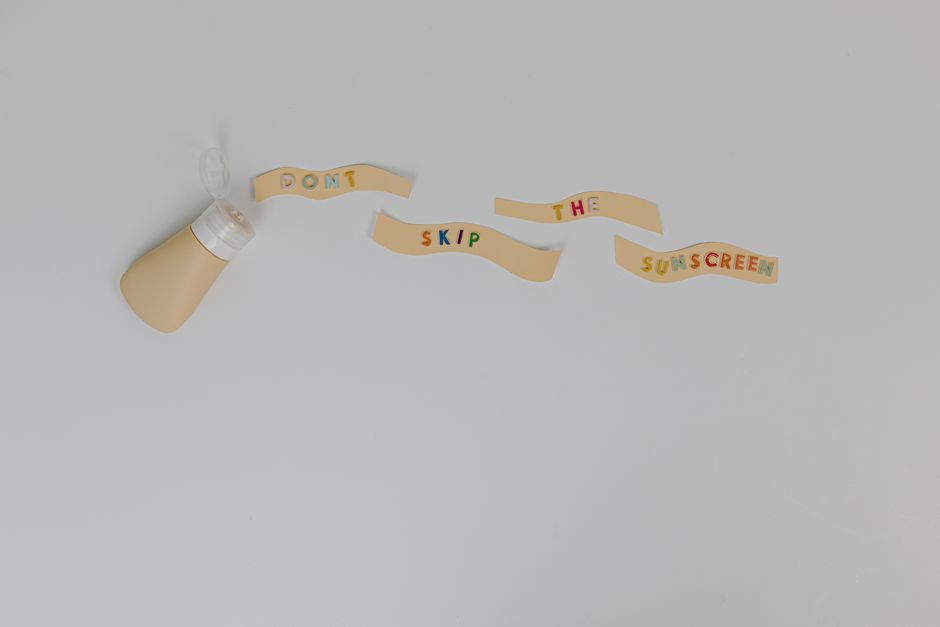
The only reliable way to avoid peeling is to avoid getting sunburned. Use a broad-spectrum sunscreen with an SPF of at least 30. Apply it generously to all exposed skin about 15 minutes before going outside. Reapply every two hours, and more often if you are swimming or sweating.
Wear protective clothing, a wide-brimmed hat, and sunglasses. Seek shade during peak sun hours, which are typically between 10 a.m. and 4 p.m. Remember that UV rays can penetrate clouds, so you can get sunburned on overcast days. Snow, sand, and water can reflect UV rays and increase your exposure.
No sunscreen blocks 100 percent of UV rays. Even with proper use, some UV exposure gets through. That is why combining sunscreen with clothing and shade is the most effective strategy.
Frequently Asked Questions
Is it bad to peel sunburned skin?
Yes, peeling sunburned skin yourself is bad. It can tear new skin underneath, increase infection risk, and cause scarring.
What is the fastest way to get rid of peeling sunburn?
There is no way to speed up the peeling process safely. Keeping the skin moisturized and letting it shed naturally is the fastest safe approach.
Should you put lotion on peeling sunburn?
Yes, apply a gentle, fragrance-free moisturizer several times a day. This helps the dead skin shed smoothly and keeps the new skin underneath hydrated.
Can you pop sunburn blisters?
No, do not pop sunburn blisters. Blisters protect the raw skin underneath and prevent infection. Let them break and heal on their own.
