
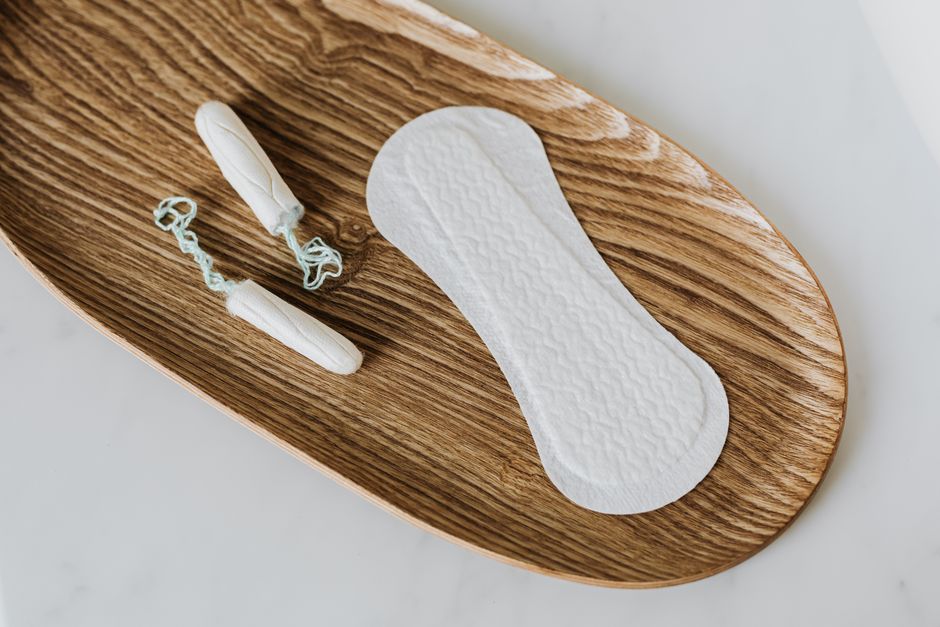
Yes. You can pee with a tampon in. Urine leaves your body through the urethra, a separate opening from the vagina, so a tampon does not block the flow of urine or absorb it on the way out. The two systems sit close together, but they are not connected.
That is the short answer. The longer answer involves a few practical details — like what to do if the tampon string gets wet, whether urine can affect the tampon, and why some people feel unsure about this in the first place. Those are worth understanding, because confusion about female anatomy is common and completely normal.
Should You Pee With a Tampon In?
Yes, and there is no medical reason to remove a tampon every time you urinate. The urethra and the vagina are two distinct structures. Urine travels from the bladder, through the urethra, and out of the body. A tampon sits inside the vagina, which is a closed canal at the top.
Because the openings are separate, urine does not pass through the vagina during normal urination. The tampon stays where it is, and the flow of urine is unaffected. This is basic anatomy, not a matter of opinion.
Some people worry that urinating with a tampon in will cause an infection or push the tampon out. Neither is supported by how the body works. The muscles involved in urination are part of the bladder and urethra, not the vaginal canal.
Why Do People Think Peeing With a Tampon Is a Problem?
Most of the confusion comes from the fact that the openings are close together. The urethra sits just above the vaginal opening, and the distance between them is short. That closeness can make it hard to tell exactly where urine is coming from, especially for people who have never looked closely at their own anatomy.
There is also a practical annoyance that gets mistaken for a real problem: the tampon string. It hangs outside the body, and urine can wet it as it flows past. A wet string is not harmful, but it can feel uncomfortable or carry urine odor. That small inconvenience is likely where some of the worry started.
Another source of confusion is the idea that urine might “get into” the tampon and cause irritation. It does not enter the vagina during normal urination. Even if a small amount of urine comes into contact with the outer string, it does not travel up into the tampon inside the body.
Does Urine Affect the Tampon or Cause Infection?
Urine does not damage a tampon or make it less effective. The tampon stays in place and continues to do its job. Urine is sterile in the bladder, though it picks up bacteria as it passes through the urethra — this is normal and not a cause for concern in this context.
The bigger infection risk with tampons comes from something else entirely: leaving one in too long. That risk is tied to time, not to urination. Wearing a tampon for longer than recommended raises the risk of bacterial growth and, rarely, a serious condition called toxic shock syndrome (TSS).
TSS is a rare but serious illness linked to certain bacterial toxins. It has been associated with leaving tampons in for extended periods and with using very high-absorbency tampons. The connection to urination is not part of that picture. If you follow standard guidance on changing tampons regularly, peeing with one in does not add risk.
One clarification worth making: a wet string is not a sign that the tampon has failed. The string can get damp from urine while the tampon itself stays dry inside. If the wet string bothers you, you can tuck it to the side or hold it out of the way while you urinate.
What About the Tampon String Getting Wet?
A wet string is the most common real-world issue, and it is minor. Urine can soak the string as it passes. The string may then feel cold or damp against your skin, and it can carry a urine smell.
There are a few simple ways to deal with it:
- Hold the string to the side or forward while you urinate so it stays out of the stream.
- Blot the string gently with toilet paper afterward if it feels wet.
- Change the tampon at your normal interval — not because of the urine, but because of the time it has been in.
None of these steps are medical necessities. They are comfort measures. A wet string is not dangerous.
When Should You Change a Tampon?
Change a tampon based on time and flow, not on whether you have urinated. Most manufacturers recommend changing every four to eight hours, and it is generally advised not to leave one in longer than eight hours. Always use the lowest absorbency needed for your flow.
If you urinate frequently, that does not mean you need to change the tampon each time. The tampon is not absorbing urine. It is absorbing menstrual blood inside the vagina. Those are separate events.
There is one situation where you should remove a tampon promptly: if you notice signs of TSS. These can include a sudden high fever, rash, vomiting, diarrhea, dizziness, or feeling faint, especially during your period. TSS is rare, but it is a medical emergency. Seek care right away if these symptoms appear.
Is It Different for Everyone?
Anatomy varies from person to person. For most people, the urethra and vagina are clearly separate, and urinating with a tampon in is straightforward. For some, the openings are positioned in a way that makes aiming the stream more awkward, or the string sits in the path of urine more often.
If you have a condition that changes your anatomy — such as certain pelvic floor issues, prior surgery, or a structural difference — your experience may be different. In those cases, a clinician who knows your history can give you advice specific to you. General guidance applies to most people, but not every body is the same.
Some people also find that the muscles used to urinate feel different when a tampon is in place. That is a sensation, not a blockage. If urination becomes painful, difficult, or feels blocked while a tampon is in, remove it and see if the feeling passes. If it does not, talk to a healthcare provider, because difficulty urinating is not something to ignore.
The Bottom Line
Peeing with a tampon in is normal, safe, and does not require any special steps. The urethra and vagina are separate, so urine does not interfere with the tampon. The only real nuisance is a wet string, which is easy to manage and not harmful.
The things that actually matter with tampons are time and absorbency. Change them on schedule, use the lowest absorbency that works for your flow, and know the warning signs of TSS. Those are the points worth your attention — not whether you can urinate with one in.
Frequently Asked Questions
Can you pee with a tampon in?
Yes. The urethra and vagina are separate openings, so a tampon does not block urine or absorb it. You can urinate normally with a tampon in place.
Does pee get into the tampon?
No. Urine exits through the urethra and does not enter the vagina during normal urination. The tampon inside stays separate from the flow of urine.
Should you change your tampon after peeing?
No. Urine does not affect the tampon, so there is no need to change it after urinating. Change it based on time and flow, generally every four to eight hours.
Is it bad if the tampon string gets wet from pee?
No, a wet string is not harmful. It can feel uncomfortable or carry an odor, but it does not mean the tampon has failed or that you are at higher risk of infection.
