
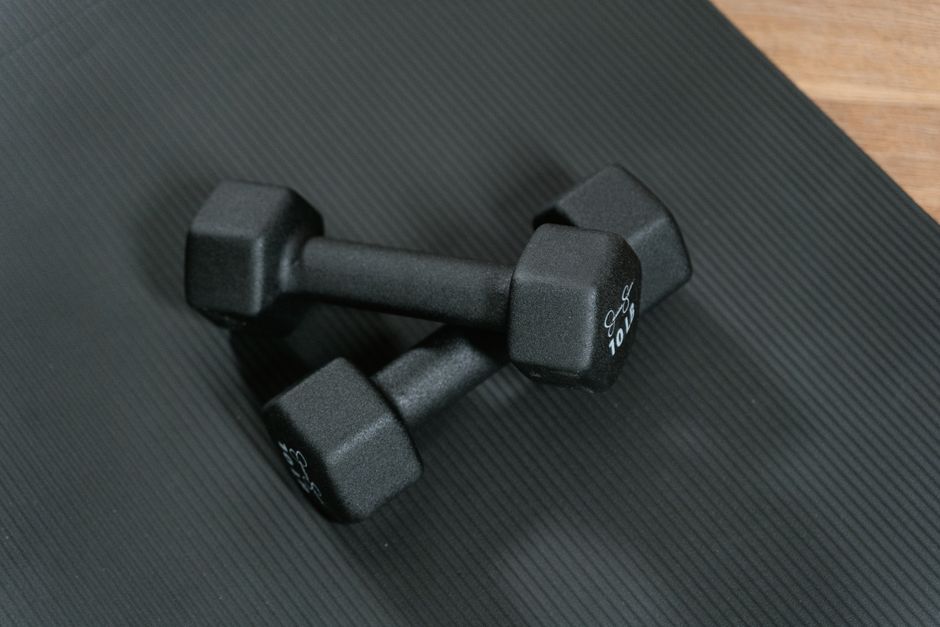
Yes, lifting weights can help you lose weight, but not in the way most people expect. Strength training builds and preserves muscle, and muscle burns more calories at rest than fat does. The effect on the scale is usually modest on its own. Where lifting really earns its place is in keeping muscle while you lose fat, which changes how your body looks and how it functions.
If you want the scale to drop faster, lifting works best paired with a calorie deficit and some cardio. If you want to lose fat without losing the body you want underneath it, lifting is close to essential.
Does Lifting Weights Burn Enough Calories To Matter?
Not many during the session itself. A typical resistance training workout burns fewer calories than a comparable bout of steady cardio. If calorie burn per minute is your only goal, running wins.
The more interesting part happens after you leave the gym. Resistance training raises your resting metabolic rate slightly for hours afterward as your body repairs muscle tissue. This is often called excess post-exercise oxygen consumption, or EPOC. It is real, but the size of the effect is often exaggerated online. For most people it amounts to a small number of extra calories, not a meaningful weight loss driver on its own.
The bigger calorie effect of lifting is indirect. Muscle tissue is metabolically active. People who carry more muscle tend to have a higher resting metabolic rate, though the difference per pound of muscle is smaller than many fitness articles suggest. The honest framing: lifting does not burn a lot of calories, but it helps you hold onto the tissue that keeps your metabolism from dropping as you lose weight.
Why Does Lifting Weights Matter More Than Cardio For Body Composition?
Because it protects muscle while you lose fat. When you eat fewer calories than you burn, your body pulls energy from stored fat and, unfortunately, from muscle too. A calorie deficit without resistance training tends to cost you muscle along with fat.
That matters for two reasons. First, muscle is what gives your body shape. Losing fat and muscle together often leaves people smaller but not necessarily leaner-looking. Second, losing muscle lowers your resting metabolic rate, which can make further weight loss harder and regain more likely.
Lifting signals your body to keep muscle. Research consistently shows that people in a calorie deficit who do resistance training preserve more lean mass than those who do not. That is the core reason trainers put lifting at the center of a fat-loss plan, not the calorie burn during the workout.
Will Lifting Weights Make Me Bulky?
No, not in the way most people fear. Building large amounts of muscle is slow and requires a calorie surplus, consistent heavy training, and often years of work. It does not happen by accident, and it is especially unlikely while you are eating in a deficit to lose weight.
What can happen is that your body looks firmer and more defined as fat comes off and muscle stays. Some people notice their clothes fit differently before the scale moves much. That is usually a good sign, not a problem.
One clarification worth making: muscle does not turn into fat when you stop training, and fat does not turn into muscle when you start. They are different tissues. What happens when you stop lifting is that muscle can shrink over time while fat can accumulate, which can look like a swap but is not one.
How Should You Combine Lifting With Diet And Cardio?
Lifting handles muscle. Your diet handles the calorie deficit that drives fat loss. Cardio adds calorie burn and supports heart health. Each does a different job, and the best plan uses all three in proportion to your goals.
For fat loss, the calorie deficit is the non-negotiable part. No amount of lifting will produce weight loss if you are eating more than you burn. Lifting changes what you lose, not whether you lose.
On the cardio side, you do not need to overdo it. Some cardio supports heart health and adds to your calorie burn, but excessive cardio can cut into recovery and make it harder to train with weights. A mix tends to work better than leaning hard on one or the other.
Practical priorities, roughly in order of impact:
- Eat in a modest calorie deficit so you are actually losing fat.
- Lift weights two to three times per week, covering the major muscle groups.
- Get enough protein, which helps preserve muscle in a deficit. General guidance for adults is around 0.7 to 1 gram of protein per pound of body weight during active weight loss, though individual needs vary.
- Add cardio you can sustain, without letting it crowd out recovery.
- Prioritize sleep, since poor sleep makes fat loss harder and recovery worse.
These are general directions, not a prescription. Anyone with health conditions, injuries, or who is pregnant should get individual guidance rather than following a generic plan.
What Should Beginners Actually Do?
Start with the basics and keep it simple. You do not need a complicated program to get the fat-loss and muscle-preserving benefits of lifting. Consistency matters far more than sophistication.
Focus on compound movements that use several muscle groups at once, like squats, presses, rows, and hinges. These give you the most return per exercise. Two to three sessions a week is enough for most beginners to see real progress.
Progressive overload is the principle that drives results: gradually increasing the weight, reps, or difficulty over time so your muscles keep adapting. Without it, progress stalls. With it, even modest workouts keep working.
Form comes before load. Learning good technique early prevents injuries that derail progress later. If you are new to lifting, a few sessions with a qualified trainer to learn the movements is a reasonable investment. It is not required, but it can save you months of guessing.
What Results Should You Realistically Expect?
Slower scale movement than cardio alone, but better body composition. This is the trade most people do not expect. Lifting can make the number on the scale drop more slowly because you are holding onto muscle while losing fat.
That can be frustrating if the scale is your only measure. It is also why people who lift often look leaner at the same weight as someone who does not. The scale tells you total mass. It does not tell you what that mass is made of.
Timelines vary widely based on starting point, diet, training consistency, sleep, and genetics. Meaningful visible change typically takes weeks to months, not days. Anyone promising fast results from lifting alone is overselling it.
A more useful way to track progress than the scale alone: how your clothes fit, waist measurements, progress photos, and how strong you are getting. Strength gains are one of the clearest signs that your training is working and your muscle is being preserved.
Frequently Asked Questions
Can you lose weight by only lifting weights?
Yes, but only if lifting helps you stay in a calorie deficit, since fat loss depends on that deficit. Lifting alone without dietary change rarely produces much weight loss.
Is lifting or cardio better for losing belly fat?
Neither spot-reduces belly fat, because you cannot choose where fat comes off. A calorie deficit drives overall fat loss, and lifting helps you keep muscle while it happens.
How often should you lift weights to lose weight?
Two to three sessions per week covering the major muscle groups is a reasonable starting point for most people. More frequent training can work but is not required for fat loss.
Do you need protein to lose weight while lifting?
Adequate protein helps preserve muscle during a calorie deficit, which is one reason it matters when lifting. General guidance for adults is roughly 0.7 to 1 gram per pound of body weight during active weight loss, though individual needs vary.
