
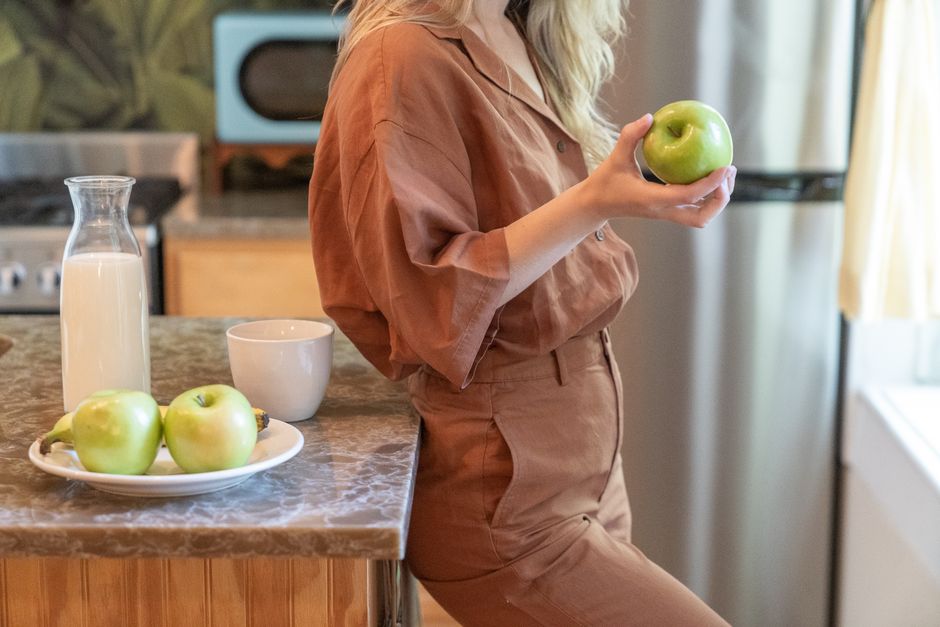
Yes, apples keep best in the fridge. Stored cold, most varieties stay crisp and fresh for several weeks. Left on the counter, they soften and lose flavor much faster. The one exception is the apple you plan to eat today. A day or two at room temperature brings out more aroma and sweetness.
What Happens to an Apple at Room Temperature?
An apple is still alive after picking. It breathes, and that breathing drives ripening.
At room temperature, an apple respires quickly. Starches convert to sugars, which is why a slightly underripe apple tastes sweeter after a few days on the counter. But the same process moves past the sweet spot. The flesh softens, the skin loses its snap, and the apple turns mealy.
Cold slows this down. In the fridge, respiration drops and the apple holds its texture far longer. This is not a small difference. The University of California’s Division of Agriculture and Natural Resources notes that apples left at room temperature will decay several times faster than apples kept cold. That fits what anyone who has forgotten a bag of apples on the counter already knows.
There is a tradeoff. Cold storage dulls aroma and flavor compounds. An apple eaten straight from the fridge can taste flatter than one that has warmed up. Letting it sit on the counter for an hour before eating helps.
Should You Keep Apples In The Fridge or on the Counter?
Keep apples in the fridge if you want them to last. Use the counter only for the ones you will eat within a day or two.
The practical rule comes down to timing:
- Eating within 1 to 2 days: counter is fine, and flavor may be better.
- Eating within a week or more: fridge, no question.
- Bought in bulk: fridge, and check them regularly.
- Slightly underripe: a day or two on the counter first, then into the fridge.
One point that surprises people: a bowl of apples on the table is not just a storage choice. It is an exposure. Apples give off ethylene gas, a natural plant hormone that speeds ripening in whatever sits nearby. A bowl of apples next to bananas or avocados will make those ripen faster. In the fridge, the same gas can affect other produce stored close by, though the cold slows everything down.
How Long Do Apples Last in the Fridge?
Most apples keep for several weeks in the fridge, and some varieties hold up for longer than that.
How long depends on the variety, how ripe the apple was when you bought it, and how it is stored. Apples bought in the fall at peak season tend to store better than imported apples that have already traveled a long way.
Firm, tart varieties generally outlast soft, sweet ones. The same traits that make an apple good for baking, like dense flesh and high acidity, also make it a better keeper. A soft, low-acid apple will go mealy sooner even in ideal conditions.
There is a catch with home storage. Commercial cold storage uses controlled temperature, humidity, and in some cases controlled atmosphere, meaning reduced oxygen. Your fridge does not do any of that. Apples in a home fridge will not match the months of storage a commercial facility achieves. Several weeks is a realistic expectation, not several months.
The fridge itself matters too. A drawer set to high humidity helps. Apples lose moisture through their skin, and dry fridge air pulls water out of them. A drawer or a loosely closed bag holds humidity in and keeps the skin from shriveling.
How Should You Store Apples in the Fridge?
Store apples in the crisper drawer, loosely, ideally in a perforated bag or a drawer with the humidity set higher.
Do not seal apples in a tight plastic bag with no airflow. Trapped moisture and ethylene build up, and that can speed spoilage rather than slow it. A loose bag or an open container works better.
Keep apples away from strong-smelling foods. Apples absorb odors from their surroundings, and a fridge full of onions or garlic will leave its mark on the fruit. This is one reason the crisper drawer exists. It separates apples from the rest of the fridge.
Check the drawer every few days. One rotten apple really does spoil the bunch. A single decaying apple releases ethylene and can speed the decline of everything around it. Remove soft or bruised fruit as soon as you spot it.
Do not wash apples before storing them. Moisture on the skin encourages mold. Rinse them right before eating instead.
Do All Apples Store the Same Way?
No. Storage life varies a lot by variety, and by how the apple was handled before it reached you.
Some apples are known as good keepers and hold their texture for weeks in cold storage. Others are best eaten soon after buying. The difference comes down to flesh density, acidity, and how quickly the apple respires.
A bruised apple is a different case entirely. Bruising damages cells and sets off a faster decline, even in the fridge. An apple that has been dropped or pressed against others in a bag will go soft at that spot first. Inspect apples before storing them and set aside any with soft spots for eating first.
Where the apple came from matters less than most people think. A fresh, firm apple from a local orchard in season often stores better than an older one that has already spent weeks in transit. The clock starts at harvest, not at the moment you bring it home.
Is a Mealy Apple Still Safe to Eat?
Yes. A mealy apple is not spoiled. It has simply lost its structure.
Mealiness comes from the breakdown of pectin, the natural glue that holds plant cells together. As an apple ripens and ages, pectin breaks down and the cells separate. Bite in, and the flesh feels soft and grainy rather than crisp. This is a texture change, not a safety issue.
Mealy apples are still fine for cooking. They soften quickly, which makes them work well in applesauce, muffins, or a baked dish. The flavor is still there even when the crunch is gone.
Spoilage is different. An apple that is truly going bad will show visible mold, a sour or fermented smell, or brown mushy flesh that spreads. Those are signs to discard it. A soft texture alone is not.
The Short Version
Cold storage is the single most effective thing you can do to keep apples fresh. The fridge slows ripening, holds texture, and buys you weeks instead of days. Keep apples in the crisper, loosely bagged, away from strong odors, and check them regularly. Leave one on the counter if you plan to eat it soon. That small habit gets you the best of both: long storage when you need it, and better flavor when you are ready to eat.
Frequently Asked Questions
Should apples be kept in the fridge?
Yes, apples keep best in the fridge and stay crisp for several weeks there. Room temperature speeds ripening and shortens their life to days.
How long do apples last in the fridge?
Most apples stay fresh for several weeks in a home fridge, depending on the variety and how ripe they were when stored. Firm, tart varieties tend to last longest.
Should you wash apples before putting them in the fridge?
No, wash apples right before eating instead. Moisture on the skin encourages mold during storage.
Can you store apples with other fruit?
Keep apples away from ethylene-sensitive produce like leafy greens and cucumbers, since apples release a gas that speeds ripening. They also absorb strong odors, so store them apart from onions and garlic.
