
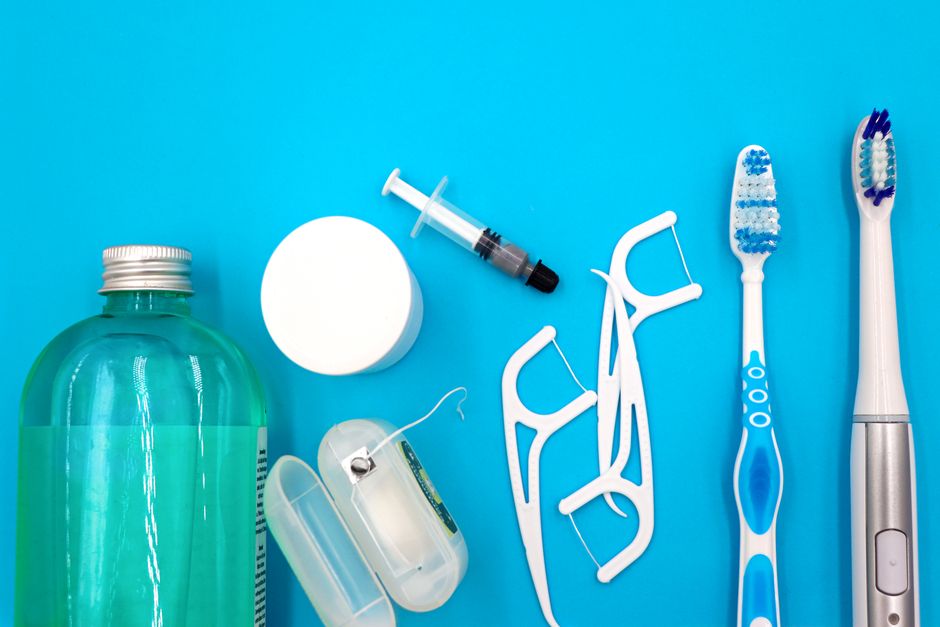
Yes, you should floss first and then brush. That order is better supported by evidence for removing plaque and keeping fluoride on your teeth longer. Flossing loosens food and plaque from between teeth. Brushing afterward washes that debris away and delivers fluoride to areas floss just cleaned.
Does the order of flossing and brushing really matter?
Research consistently shows that flossing before brushing is more effective. A 2018 study found that when people flossed first, they had less plaque between teeth and higher fluoride concentration in that area afterward. The reason is straightforward. Flossing breaks up plaque between teeth. Brushing then sweeps it out of your mouth. If you brush first, the toothpaste foam and bristles cannot reach the spaces between teeth that floss cleans.
There is also a practical benefit. When you floss first, you are more likely to do it thoroughly. Many people skip flossing when they are tired after brushing. Doing it first removes that temptation.
What happens when you brush first and floss second?
Brushing first removes plaque from the surfaces of your teeth. But it does very little for the tight spaces between teeth. When you floss afterward, you dislodge plaque and food particles that your toothbrush missed. The problem is that debris now sits in your mouth until you rinse or swallow. Some of it can settle back onto clean tooth surfaces. You also miss the chance to deliver fluoride into those hard-to-reach gaps.
This does not mean brushing first is harmful. It still cleans your teeth. But evidence indicates flossing first gives you a cleaner mouth overall and better fluoride protection for the areas most prone to cavities.
Does flossing before brushing really prevent cavities better?
Studies have found that fluoride stays in the spaces between teeth longer when you floss first. That matters because cavities between teeth are very common. Fluoride helps remineralize enamel and stops early decay from getting worse. Flossing first means more fluoride gets to the places where cavities start most often.
Gum health also improves more with flossing first. Plaque between teeth causes inflammation and bleeding. Removing that plaque before brushing allows fluoride and antibacterial ingredients in toothpaste to reach the gumline directly. Some studies suggest this order reduces gingivitis more than the reverse.





Is there any benefit to brushing first?
Some people report that brushing first makes flossing easier because toothpaste residue helps floss slide between tight teeth. This is widely claimed though strong evidence for a meaningful benefit is limited. If your teeth are very tightly spaced and floss frequently snaps or gets stuck, brushing first might make the process less frustrating. That practical advantage could keep you flossing regularly, which matters more than the ideal order.
The most important factor is that you floss at all. Many people do not floss daily. If brushing first helps you stick with the habit, that is better than not flossing. But if you can manage either order, flossing first gives you better plaque removal and fluoride delivery.
What technique matters more than order?
Order alone will not save your teeth if your technique is poor. For flossing, the key is to curve the floss into a C-shape against the side of each tooth and slide it gently below the gumline. Snapping floss straight down between teeth misses much of the plaque and can hurt your gums. Use a clean section of floss for each gap.
For brushing, use a soft-bristled toothbrush and fluoride toothpaste. Brush for two full minutes covering all surfaces. Angle the bristles toward the gumline at 45 degrees. Do not scrub hard. Gentle circular motions remove plaque without wearing down enamel or irritating gums. Rinsing with water immediately after brushing washes away concentrated fluoride. If you can, spit out excess toothpaste but do not rinse.
| Step | Best practice |
|---|---|
| Floss first | Curve floss around each tooth, go below gumline, use clean section per gap |
| Brush second | Soft bristles, 2 minutes, 45-degree angle at gumline, gentle circles |
| After brushing | Spit out excess toothpaste, do not rinse with water |
Should You Floss First Or Brush if you use a water flosser?
Water flossers work differently than string floss. They use a stream of water to remove food and plaque between teeth. Evidence indicates that using a water flosser before brushing is still the better order. The water stream clears debris and bacteria. Brushing afterward then removes what was loosened and delivers fluoride to clean surfaces.
Water flossers are especially helpful for people with braces, bridges, or gum pockets. They are less effective than string floss at removing sticky plaque from tight tooth contacts. If you use both, string floss first then water flosser then brush. If you use only a water flosser, use it before brushing.
What about mouthwash — when does that fit?
Mouthwash is best used at a separate time from brushing, not right after. Using mouthwash immediately after brushing rinses away concentrated fluoride from your toothpaste. That reduces its cavity-fighting benefit. If you want to use mouthwash, use it at a different time of day, such as after lunch. Or use it before brushing if you prefer, but wait at least 30 minutes after eating acidic foods to avoid softening enamel.
If you must use mouthwash after brushing, wait at least 30 minutes. That gives fluoride time to absorb into your enamel. Some dentists recommend using a fluoride mouthwash at a different time entirely to get an extra dose of fluoride without washing away the toothpaste residue.
Frequently Asked Questions
Should you floss before or after brushing?
Floss first, then brush. Flossing loosens plaque between teeth and brushing removes it while delivering fluoride to those areas.
Can flossing after brushing still be effective?
It still removes plaque but is less effective because debris stays in your mouth and fluoride does not reach between teeth as well.
What happens if you brush first then floss?
You miss delivering fluoride to the spaces between teeth and some dislodged plaque may settle back onto clean surfaces.
Is it better to floss at night or in the morning?
Flossing at night before bed removes plaque and food that have built up all day, giving fluoride from toothpaste more time to work while you sleep.
