
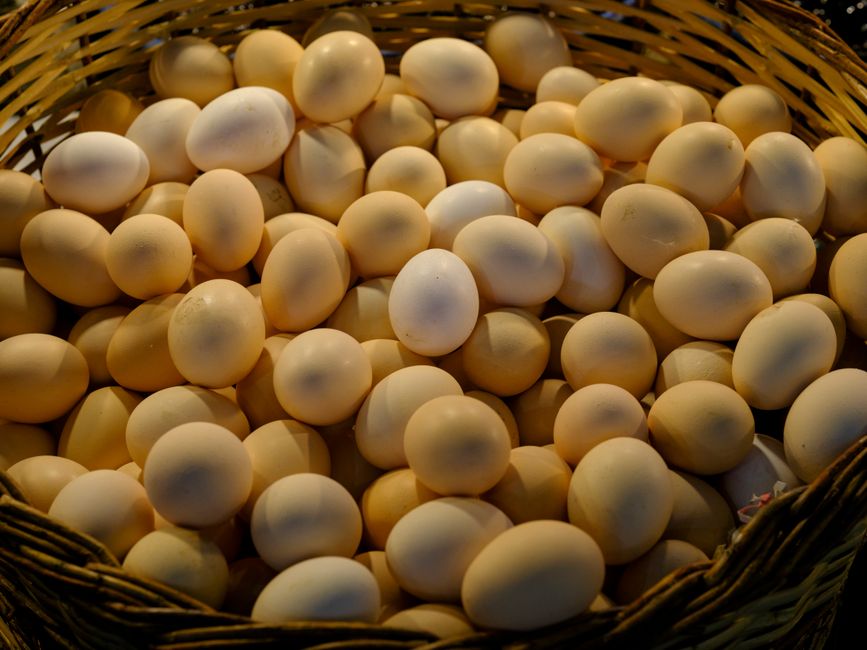
Raw eggs carry a real risk of Salmonella infection, and for most people the risk is small but not zero. Cooking eggs until both the white and yolk are firm kills Salmonella bacteria and removes that risk. If you eat raw eggs — in homemade mayonnaise, raw cookie dough, or protein shakes — you are accepting a small but genuine chance of foodborne illness.
Should You Eat Raw Eggs?
For most healthy adults, eating raw eggs occasionally is unlikely to cause harm. But “unlikely” is not the same as “safe.” The Centers for Disease Control and Prevention estimates that Salmonella causes about 1.35 million infections in the United States each year, and raw or undercooked eggs are a known source.
The bacteria can be present inside a clean-looking, uncracked egg. You cannot see, smell, or taste Salmonella. This is the part many people get wrong — they assume a fresh egg from a farm stand or a backyard hen is somehow exempt. It is not.
Commercial eggs in the US are washed and sometimes pasteurized, which reduces contamination on the shell. But washing does not sterilize what is inside. Hens can carry Salmonella in their reproductive tract, and the bacteria can be deposited inside the egg before the shell forms.
How Common Is Salmonella in Eggs?
Contamination rates are low but real. Some estimates suggest that roughly 1 in 20,000 commercial eggs may contain Salmonella, though exact figures vary by source and testing method. That number sounds tiny until you consider how many eggs Americans eat.
The risk is not evenly distributed. It depends on how the eggs were handled, stored, and prepared. A raw egg left at room temperature for hours is riskier than one used immediately. Cross-contamination in the kitchen matters too — the same cutting board, the same hands.
What about pasteurized eggs? These are heated gently to kill bacteria without cooking the egg. They are sold in some grocery stores and are generally considered safe to eat raw. If you want raw eggs in a recipe and want to reduce risk, pasteurized shell eggs or liquid pasteurized egg products are the practical option.
Who Is Most at Risk From Raw Eggs?
Not everyone faces the same level of danger. Some groups are far more vulnerable to serious illness from Salmonella.
- Adults over 65 — the immune system weakens with age
- Pregnant women — infection can be severe and may affect the pregnancy
- Infants and young children — their immune systems are still developing
- People with weakened immune systems — from illness, medication, or transplant
For these groups, the CDC advises against eating raw or lightly cooked eggs. That includes foods like homemade Caesar dressing, raw cookie dough, and soft scrambled eggs. This is not a suggestion. It is a clear recommendation based on documented cases of severe illness.
For healthy adults, the picture is different. The risk of serious complications is lower, but it is not zero. A mild case of food poisoning is still unpleasant — diarrhea, fever, stomach cramps, and vomiting that can last several days.





What About Raw Eggs in Cookie Dough and Mayonnaise?
Homemade cookie dough and mayonnaise both commonly contain raw eggs. Store-bought versions almost always use pasteurized eggs, which is why they are generally considered safe to eat raw.
The flour in cookie dough is another concern. Raw flour can carry E. coli and other bacteria. So even egg-free cookie dough is not risk-free. This is a point many people miss — they worry about the eggs and forget the flour.
If you want to eat raw cookie dough, look for recipes that use heat-treated flour and pasteurized eggs, or buy commercial edible cookie dough. These products are formulated to be safe raw. Homemade dough made with regular flour and raw eggs is not.
Does Cooking Kill Salmonella in Eggs?
Yes. Cooking eggs until the white and yolk are firm kills Salmonella. The bacteria are destroyed at temperatures that are easily reached during normal cooking.
According to the USDA, eggs should be cooked until both the white and yolk are firm. Dishes containing eggs should reach an internal temperature of 160°F (71°C). This is the temperature at which Salmonella is killed almost instantly.
Soft-boiled eggs, runny scrambled eggs, and sunny-side-up eggs with a liquid yolk do not reach that temperature throughout. They may still be safe if the egg was not contaminated, but you cannot know that in advance. The risk is low, but it is not eliminated.
Are Raw Eggs More Nutritious Than Cooked Eggs?
No. This is one of the most persistent myths about raw eggs. Cooking actually makes some nutrients more available to your body, not less.
Raw egg whites contain a protein called avidin that binds to biotin, a B vitamin. Cooking denatures avidin, which allows your body to absorb biotin properly. Eating large amounts of raw egg whites over time can lead to biotin deficiency, though this is rare in practice.
Cooking also breaks down proteins in the egg, making them easier to digest. Research has found that the protein in cooked eggs is more digestible than the protein in raw eggs. So the idea that raw eggs are a superior protein source for athletes or bodybuilders is not supported by evidence.
| Nutrient | Raw Egg | Cooked Egg |
|---|---|---|
| Protein digestibility | Lower | Higher |
| Biotin availability | Reduced by avidin | Normal |
| Salmonella risk | Present | Eliminated when fully cooked |
| Vitamin A retention | Similar | Similar |
The table above reflects general findings from nutrition research. Exact values vary depending on cooking method and time.
Can You Make Raw Eggs Safer?
You can reduce risk, but you cannot make a regular raw egg completely safe at home. Pasteurized eggs are the only reliable option if you want to eat eggs raw.
Here is what helps and what does not:
- Pasteurized shell eggs — heat-treated to kill Salmonella; safe raw
- Liquid pasteurized egg products — sold in cartons; safe raw
- Refrigeration — slows bacterial growth but does not kill Salmonella
- Washing eggs — removes surface bacteria but not what is inside
- Lemon juice or vinegar — does not reliably kill Salmonella in raw egg recipes
Some people believe that adding acid to raw eggs, as in ceviche or certain marinades, makes them safe. It does not. Acid can alter texture and flavor, but it does not reliably kill Salmonella at the concentrations and times used in home cooking.
What Happens If You Get Salmonella From Raw Eggs?
Symptoms usually appear within 6 hours to 6 days after eating the contaminated food. They include diarrhea, fever, and stomach cramps. Most people recover without treatment within 4 to 7 days.
Some cases are more serious. Salmonella can spread from the intestines to the bloodstream and other parts of the body. This requires medical attention and sometimes hospitalization. Severe cases are more likely in the high-risk groups mentioned earlier.
If you develop symptoms after eating raw eggs and they are severe or lasting, contact a healthcare provider. Do not try to treat a suspected Salmonella infection with home remedies. Hydration is important, but medical care may be needed.
Do Raw Eggs Have Any Legitimate Uses?
Raw eggs are used in some recipes for texture and structure — classic mayonnaise, certain cocktails, and some traditional desserts. In these cases, the egg is often not cooked, which is why pasteurized eggs are the safer choice.
Raw eggs are also used in some protein shakes and traditional health drinks. There is no nutritional advantage to this. If you want the protein, cooking the egg or using pasteurized liquid egg whites gives you the same benefit with less risk.
Some people eat raw eggs because they believe it improves hair, skin, or athletic performance. No clinical evidence supports these claims. The protein and nutrients in eggs are available whether the egg is cooked or not — and in some cases, more available when cooked.
Frequently Asked Questions
Is it safe to eat raw eggs?
Raw eggs can contain Salmonella, which causes food poisoning. For healthy adults, the risk of serious illness is low but not zero, and for high-risk groups it is a clear danger.
Can you get Salmonella from one raw egg?
Yes, it is possible, though the odds are low. Contamination rates in commercial eggs are estimated at roughly 1 in 20,000, but any single egg could be contaminated.
Are pasteurized eggs safe to eat raw?
Yes. Pasteurized shell eggs and liquid pasteurized egg products are heat-treated to kill Salmonella and are generally considered safe to eat raw.
Do raw eggs have more protein than cooked eggs?
No. Cooking actually makes egg protein more digestible. Raw egg whites also contain avidin, which blocks biotin absorption, while cooking deactivates it.
