
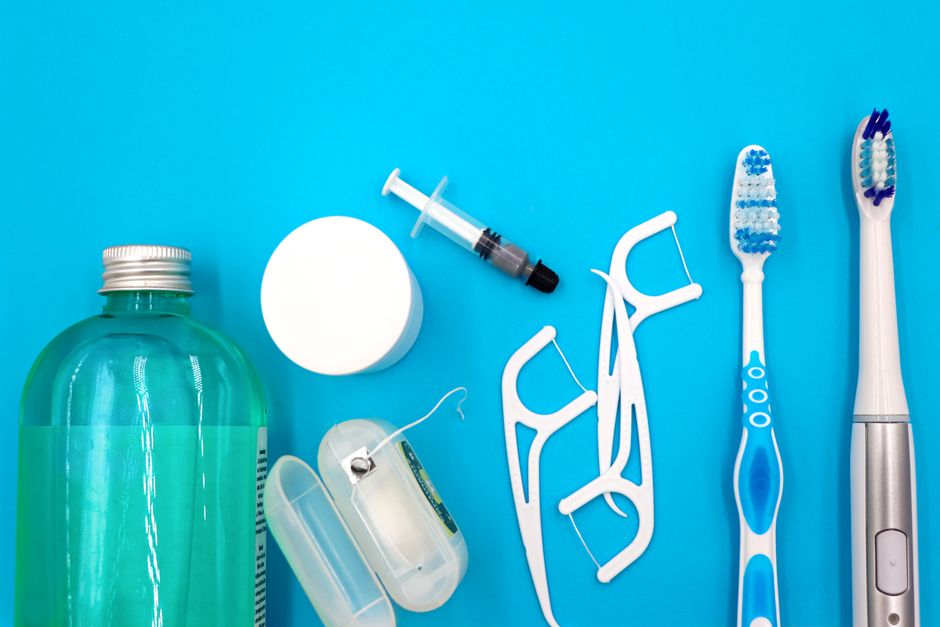
Floss first, then brush. That order lets fluoride toothpaste reach the spaces between your teeth after the debris is cleared out. It also means you finish with clean, fluoride-coated surfaces rather than leaving loosened plaque sitting there overnight.
Dental professionals have recommended this sequence for years. The evidence behind it is reasonable but not airtight, and it is worth being honest about that. What matters far more than order is that you do both, every day, and do them properly.
Should You Brush Or Floss First?
The case for flossing first rests on a simple idea: floss loosens plaque and food from between teeth, and brushing afterward sweeps it away while delivering fluoride to those newly cleaned surfaces.
If you brush first and floss second, you leave the loosened debris and disturbed bacteria in the mouth with no rinse-and-sweep step to follow. Some of it settles back against the teeth. That is the reasoning, and it is physiologically sensible.
Here is where honesty matters. The direct clinical trials comparing floss-then-brush against brush-then-floss are few and small. Some research suggests flossing before brushing may improve fluoride retention between teeth, but the evidence is not strong enough to call the order a proven health outcome. What is well established is that interdental cleaning (cleaning between teeth) adds real benefit on top of brushing. The sequence is a reasonable refinement, not the main event.
One clarification worth knowing: the old advice to floss and then rinse with water or mouthwash is counterproductive if you use fluoride toothpaste. Rinsing washes away the fluoride you just applied. Spitting out the excess and stopping there is the better move.
Why Does The Order Even Matter?
Tooth decay and gum disease both start in the places a toothbrush struggles to reach. The bristles handle the flat surfaces well. The tight spaces between teeth and just under the gumline are where plaque accumulates and where most problems begin.
Plaque is a sticky film of bacteria. When it sits undisturbed, the bacteria ferment sugars and produce acid that dissolves tooth enamel. Over time this leads to cavities. The same bacterial buildup along the gumline triggers inflammation of the gums, which is the beginning of gum disease.
Flossing disrupts that film in the spaces brushing cannot reach. Brushing then removes what floss has loosened and coats the enamel with fluoride, which helps remineralize early acid damage. Doing them in that order means the cleaning and the protective step happen in the most logical sequence.
None of this makes brush-then-floss useless. Both surfaces still get cleaned. The order is a marginal advantage stacked on top of two habits that already work.
Does The Evidence Actually Support Flossing First?
The evidence is modest. A small number of studies have looked at the sequence directly, and some found that flossing before brushing led to higher fluoride levels between teeth and less plaque remaining afterward compared with the reverse order.
These are short-term measurements of plaque and fluoride, not long-term studies of cavities or gum disease. No large trial has shown that flossing first prevents more cavities over years than brushing first. That distinction matters, and any source claiming otherwise is overstating what has been demonstrated.
What the research does support firmly is the value of interdental cleaning itself. Brushing alone leaves a meaningful portion of each tooth surface untouched. Adding flossing or another between-teeth method reduces plaque and gum inflammation compared with brushing alone. That finding is consistent across many studies.
So the practical read: floss first because the reasoning is sound and the downside is zero. Do not treat the order as the thing that determines your dental health.
How Should You Floss And Brush Properly?
Technique matters more than sequence. Sloppy flossing done first is still sloppy flossing.
For flossing, use a length of floss you can wrap around your middle fingers, leaving a short working section between them. Guide it gently between each tooth. Curve it into a C shape against one side of the tooth and slide it up and down, including just under the gumline where the tissue is not painful. Repeat against the other side of the same gap. Use a fresh section of floss as you move along.
For brushing, use a soft-bristled brush and fluoride toothpaste. Hold the brush at a slight angle toward the gumline and use short, gentle strokes. Cover every surface: the outside, the inside, and the chewing tops. Brushing hard with a stiff brush wears down enamel and irritates gums without cleaning better.
A few practical points:
- Do not snap floss down hard into the gum. That can cut or bruise the tissue.
- If flossing makes your gums bleed, that is usually a sign of inflammation from plaque, not a reason to stop. Bleeding typically settles as the gums get cleaner. Persistent bleeding should be checked by a dentist.
- Spit out toothpaste rather than rinsing with water right after brushing, so fluoride stays on the teeth.
- If traditional floss is hard to use, floss picks, interdental brushes, or a water flosser are reasonable alternatives. Interdental brushes in particular are well supported for cleaning between teeth, especially where gaps are wider.
What If You Cannot Floss Or Hate Doing It?
Flossing is one method of interdental cleaning, not the only one. The goal is clearing plaque from between teeth, and several tools do that.
Interdental brushes are small brushes that fit between teeth. For people with wider gaps or gum recession, some evidence suggests they clean between teeth at least as well as floss, and possibly better. They are not suitable for very tight contacts between teeth.
Water flossers use a stream of water to clean between teeth and along the gumline. They are easier for many people to use consistently, and some studies show they reduce gum inflammation. The evidence suggests they may be somewhat less effective than string floss at removing plaque from tight spaces, but a tool you actually use beats a tool you avoid.
Floss picks are convenient and can help people who struggle with traditional floss. Their cleaning is comparable when used with the same care.
The consistent theme across the research is that daily interdental cleaning of some kind adds benefit over brushing alone. The best method is the one you will do every day.
What About Brushing Before Flossing?
Brushing first is not harmful. If that is your established habit and it keeps you consistent, the difference in outcome is likely small. The main argument against it is that loosened debris is left behind rather than swept away.
There is one situation where the order genuinely flips: if you use a fluoride mouthwash or a prescription fluoride product, the sequence changes. Follow the instructions on the product. Some fluoride rinses are meant to be used at a separate time from brushing so the fluoride is not immediately washed away.
For most people, the honest summary is this. Floss first because it is the better-reasoned order. But the habit of doing both, daily, with reasonable technique, is what protects your teeth. Order is the fine-tuning.
Frequently Asked Questions
Should you floss before or after brushing?
Floss before brushing. This clears debris from between teeth so brushing can sweep it away and leave fluoride toothpaste on the cleaned surfaces.
Is it bad to brush before flossing?
No, brushing first is not harmful. It is simply less efficient, because loosened debris is left in the mouth instead of being brushed away afterward.
How often should you floss?
Once a day is the standard recommendation for interdental cleaning. Daily cleaning disrupts plaque before it can harden and cause gum inflammation.
Does flossing actually prevent cavities?
Flossing removes plaque from between teeth where brushing cannot reach, and that plaque causes decay. The evidence for flossing reducing gum inflammation is stronger than for cavity prevention specifically, but both benefit from daily interdental cleaning.
