
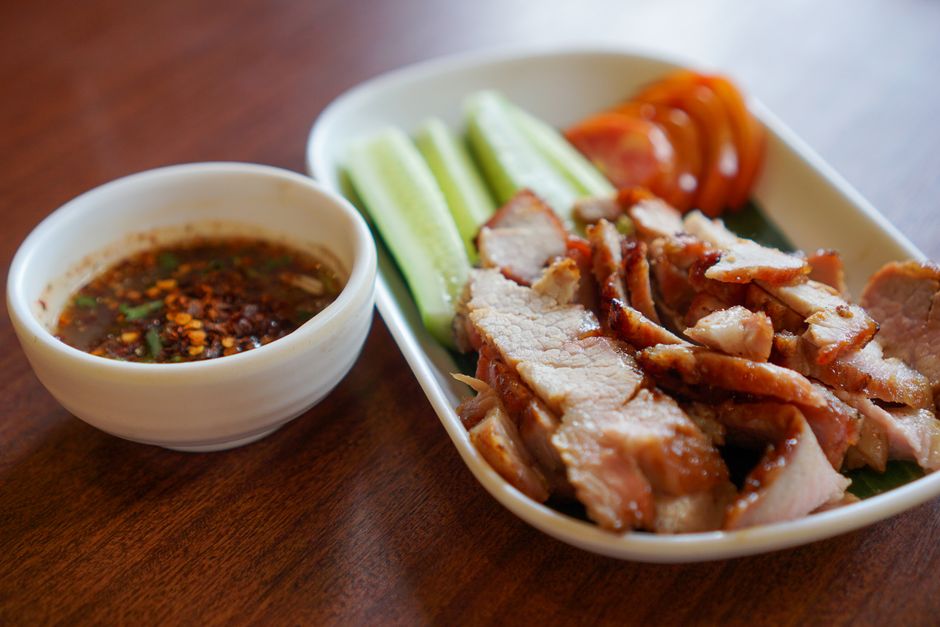
Pork can be pink and still be safe to eat, as long as it has reached the proper internal temperature. The United States Department of Agriculture now recommends cooking whole cuts of pork to 145°F with a three-minute rest, not the 160°F that was standard for decades. Color alone is not a reliable indicator of doneness. Use a meat thermometer to check the internal temperature.
What Is the Safe Internal Temperature for Pork?
The USDA updated its guidelines in 2011 for whole cuts of pork. The safe temperature is 145°F for chops, roasts, loin, and tenderloin. After removing the meat from heat, let it rest for three minutes. The temperature stays steady during rest or may rise slightly, which helps kill any remaining bacteria.
Ground pork requires a higher temperature of 160°F. This is because grinding can spread bacteria from the surface throughout the meat. There is no rest time for ground pork. Leftovers and reheated pork should also reach 165°F.
These temperatures apply to all pork, including organic, pasture-raised, and conventionally raised. The same rules hold whether the meat looks pink or not.
Why Does Pork Stay Pink Even When Cooked?
Meat retains a pink color due to a protein called myoglobin. Myoglobin holds oxygen and changes color as it cooks. But several factors can keep pork looking pink even after it has reached a safe temperature.
Nitrates and nitrites are common in cured pork products like ham, bacon, and some sausages. These preservatives set a pink color that remains after cooking. Even uncured pork can be pink if it has a high myoglobin content, which varies by cut and age of the animal.
Cooking method also matters. Smoking or cooking with indirect heat can create a pink ring just under the surface. This is chemically different from undoneness. The same can happen with marinated or brined pork. An acidic marinade or alkaline brine can affect the protein structure, making the meat appear pink at lower temperatures.
Even a small amount of nitrate from naturally occurring sources in vegetables or water can produce a pink color. The key point: color is not a safety indicator.
Is Pink Pork a Sign of Trichinosis?
Trichinosis, the infection from roundworm larvae, used to be a real danger from undercooked pork. But the risk today is extremely low in commercially raised US pork. The USDA now recognizes that 145°F is sufficient to kill the Trichinella parasite. The old recommendation of 160°F was a large safety buffer that is no longer necessary with modern feeding and housing practices.
Wild game, especially bear and wild boar, still carry a risk of trichinosis. But domestic pork from supermarkets is very unlikely to contain the parasite. A study from the Centers for Disease Control and Prevention found that between 2008 and 2012, most cases of trichinosis in the US came from wild game or imported meat, not from domestic pork.
Even so, the USDA temperature guideline of 145°F for whole pork is designed to kill not only Trichinella but also common foodborne bacteria like Salmonella, Listeria, and Yersinia. Cooking to this temperature makes pork safe regardless of residual pinkness.





How Do You Check if Pork Is Safely Cooked?
Use a digital instant-read meat thermometer. Insert it into the thickest part of the meat, away from bone or fat. For roasts, check several spots. For thinner cuts like chops, angle the thermometer from the side so the probe reaches the center.
Do not rely on the color of the juices. Clear juices are not a reliable sign of doneness. The only way to know is temperature. The same goes for texture: pink, firm meat can be safe, and brown, dry meat can be unsafe.
Here are the basic steps:
- For whole cuts: cook to 145°F, then rest three minutes before slicing.
- For ground pork: cook to 160°F, no rest needed.
- For reheating leftovers: 165°F.
Once you hit these temperatures, the pork is safe even if it is pink in the middle.
Should You Worry About Other Foodborne Illnesses?
Trichinosis gets the most attention, but bacteria are actually a bigger concern with pork. Yersinia enterocolitica is a common pathogen in pork that can cause fever, abdominal pain, and bloody diarrhea. Salmonella and Campylobacter can also contaminate pork. Proper cooking kills all of these.
Handling raw pork safely is also important. Keep it refrigerated until cooking. Use separate cutting boards for raw meat and vegetables. Wash hands with soap and water after touching raw pork. Avoid cross-contamination with other foods in the kitchen.
The same temperature guidelines that protect against Trichinella also protect against these bacteria. The 145°F recommendation is not arbitrary; it is the temperature required to inactivate bacterial pathogens in a short time. For ground pork, the higher temperature of 160°F is needed because bacteria on the surface can be mixed throughout the meat, and heat penetration is less even.
What About Pork in Restaurants or Gifted Meat?
Restaurants often serve pork cooked to medium or even medium-rare. This is legal and safe as long as the meat reaches 145°F. Some chefs serve pork that is rosy or slightly pink because they know the guidelines. If you eat pork that looks pink at a reputable restaurant, it is likely safe.
If you receive home-raised or gift pork from someone who hunts or raises pigs, ask if the animal was tested for Trichinella. Wild boar and bear should always be cooked to at least 160°F to be safe, because the risk of trichinosis is higher. The USDA recommends cooking wild game pork to 160°F with a three-minute rest, or to 165°F for ground wild game.
For domestic pork from a store or farm that follows industry practices, the 145°F guideline is appropriate. The pork is unlikely to carry Trichinella, and the temperature kills bacteria reliably.
Can Pink Pork Be Undercooked Even at 145°F?
At 145°F, the meat is fully cooked in terms of food safety. But it is not necessarily overdone. Many people find pork cooked to 145°F more moist and flavorful than the dry, gray pork cooked to 160°F. That is a matter of preference, not safety. If the temperature is correct, the pork is safe regardless of color.
One nuance: if you measure temperature incorrectly, you might get a false reading. Always calibrate your thermometer. Insert the probe into the thickest part without touching bone. For thin chops, the center may heat quickly, but check the area nearest the bone if you can. If in doubt, cook to 150°F for whole cuts to be safe without sacrificing much moisture.
Frequently Asked Questions
Can pork be pink in the middle?
Yes, pork can be pink in the middle and still be safe to eat if it has reached an internal temperature of 145°F for whole cuts.
What temperature kills trichinosis in pork?
Cooking pork to 137°F kills Trichinella larvae, but the USDA recommends 145°F for whole cuts to provide a safety margin against all pathogens.
Is it safe to eat pork that is slightly pink?
Yes, slightly pink pork is safe if cooked to 145°F for whole cuts or 160°F for ground pork.
Why is my pork still pink after cooking?
Pork can stay pink due to myoglobin, nitrates or nitrites in curing, smoking, brining, or the pH of the meat, even when the internal temperature is safe.
