
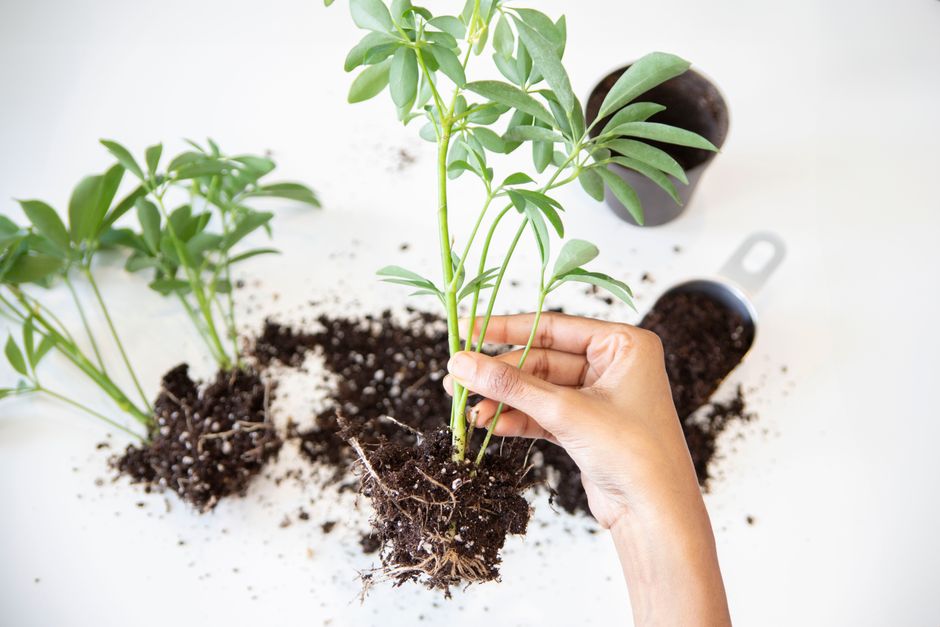
No — do not water a plant right after repotting it for root rot. The roots you just cleaned have open wounds, and wet soil is exactly what allowed the rot to take hold. Pot the plant in dry or barely damp fresh mix and wait several days before the first watering. The one exception is a plant that was severely dehydrated before you started. That situation is rare in root rot cases.
The instinct to water is understandable. Repotting is stressful for a plant, and water feels like care. With root rot, it works the other way. The disease is caused by too much moisture around roots that cannot breathe. Adding more water at the moment of repotting undoes the rescue.
What actually causes root rot?
Root rot is not a single disease. It is a pattern of root death caused by roots sitting in waterlogged soil for too long. Healthy roots need oxygen. In a pot, that oxygen lives in the air pockets between soil particles. When those pockets fill with water and stay filled, roots suffocate.
Once roots are damaged or dead, fungi and water molds that thrive in wet conditions move in. The most common culprits belong to a group called water molds, including species of Phytophthora and Pythium. These organisms are present in many environments and tend to attack roots that are already weakened. In most houseplant cases, the waterlogging comes first and the pathogen follows.
That order matters for treatment. If you fix the water problem and remove the dead tissue, you remove the conditions the rot needs. If you keep the soil wet, no amount of repotting will help.
Why watering right after repotting makes root rot worse
When you repot a plant with root rot, you cut away mushy, brown, foul-smelling roots. That leaves fresh cut ends and exposed tissue. Those wounds need to seal over, and they do that best in airy, relatively dry conditions.
Saturated soil does three harmful things at once:
- It pushes oxygen out of the root zone, which is the exact condition that caused the problem.
- It gives water molds and rot fungi the wet environment they need to spread into the cut surfaces.
- It slows the plant’s ability to callus over wounds, because healing tissue forms better when it is not submerged.
There is a useful way to think about it. You are not watering a plant. You are letting a wound dry. The same principle applies to a cut on your skin: keeping it clean and allowing air to reach it helps it close, while soaking it keeps it soft and open.
How long should you wait to water after repotting root rot?
Wait until the fresh potting mix is nearly dry before the first watering. For most houseplants in a well-draining mix, that takes somewhere between a few days and a week or more, depending on pot size, room temperature, and humidity. Check the soil with your finger or a moisture meter rather than counting days.
This is a case where the general rule is more reliable than a fixed number. A large pot in a cool room dries far more slowly than a small pot in a warm, bright spot. Feel the mix an inch or two down. If it still feels cool and damp, wait.
After that first watering, keep the plant on the dry side for several weeks. The goal is to let the root system recover without recreating the wet conditions that caused the rot. Water thoroughly when you do water, then let the top layer dry again before the next round.
Should I water after repotting root rot if the plant looks wilted?
A wilted plant after root rot treatment usually looks that way because it lost most of its roots, not because it is thirsty. With fewer roots, it cannot take up water efficiently even if the soil is wet. Adding more water will not fix the wilt and can restart the rot.
There are a few things that help a rootless plant through this period without soaking the soil:
- Keep it in bright, indirect light and out of harsh direct sun, which increases water demand.
- Raise the humidity around the leaves with a pebble tray or a room humidifier, so the plant loses less water through its leaves.
- Keep it warm, since cold soil slows root regrowth.
- Be patient. New roots take time, and the plant may look rough for a few weeks.
If the plant was genuinely bone-dry before you started, a light watering to settle the mix is reasonable. That is the exception, not the rule.
What soil and pot setup helps prevent rot from coming back?
The repot itself is your best chance to fix the conditions that caused the rot. Use a fresh, well-draining mix and a pot with drainage holes. Never reuse the old waterlogged soil, which can carry pathogens and stays dense.
A chunky mix with materials like bark, perlite, and coarse potting soil drains faster and holds more air than a dense peaty mix. Choose a pot only slightly larger than the root ball. An oversized pot holds more wet soil than the small root system can use, which keeps moisture around the roots longer.
Some growers dust cut root ends with cinnamon or a sulfur-based product. Cinnamon is a common home remedy, but there is no strong evidence it prevents rot in houseplants. If you use it, treat it as a harmless extra, not a treatment.
How do you know if the root rot treatment worked?
You will know it worked when the plant starts putting out new growth. That can take a few weeks to a couple of months, depending on the species and how much root was lost. In the meantime, watch the base of the stem and the remaining roots.
Signs of recovery include firm, pale new roots, fresh leaves, and soil that dries at a normal pace. Signs the rot is still active include a soft, dark stem base, a sour or musty smell from the soil, and continued yellowing or collapse of leaves despite careful watering. If those appear, unpot the plant again and check the roots a second time.
One thing that surprises many people: a plant can look worse for a week or two after treatment before it turns the corner. Losing roots is a shock. Judge progress by new growth over time, not by how the plant looks the day after repotting.
Common watering mistakes after root rot treatment
The biggest mistake is watering on a schedule instead of checking the soil. A plant recovering from root rot needs less water than a healthy one, and a fixed weekly watering can drown it. Check the mix before every watering, not the calendar.
Other frequent errors include leaving the pot sitting in a saucer of drained water, using a pot without drainage holes, and mistaking wilt for thirst. Each of these keeps moisture around the roots longer than the plant can handle.
Overwatering is the leading cause of houseplant root rot, and it is also the easiest to prevent. Let the soil dry between waterings, use a pot that drains, and match the mix to the plant. Those three habits do more than any product on a shelf.
Frequently Asked Questions
Should I water after repotting root rot?
No. Pot the plant in dry or barely damp fresh mix and wait until the soil is nearly dry before the first watering. Wet soil right after treatment encourages the rot to return.
How long should I wait to water after treating root rot?
Wait until the fresh mix feels nearly dry an inch or two down, which usually takes a few days to a week or more. Check the soil directly rather than counting days.
Can I water a wilting plant after root rot repotting?
Usually not. Wilt after root rot is caused by lost roots, not thirst, so extra water will not help and can restart the rot. Raise humidity around the leaves instead.
Should the soil be wet when repotting a plant with root rot?
No. Use fresh, well-draining mix that is dry or only slightly damp. Never reuse the old waterlogged soil, which can carry pathogens and stays dense.
