
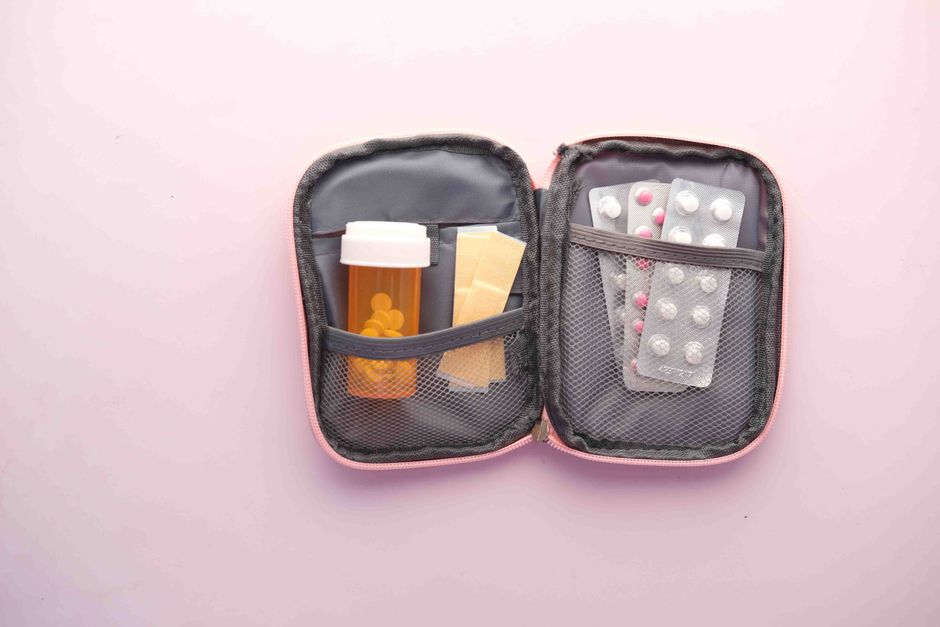
Usually, no. A blister with intact skin over it is a natural sterile bandage, and covering it with an adhesive bandage is often unnecessary and can sometimes do more harm than good. The better question is when a bandage helps — and there are clear situations where it does. A blister that has popped, one in a spot that rubs against shoes or clothing, or one on a foot that gets dirty during the day are all cases where a dressing has a real purpose. Knowing the difference is what keeps a minor annoyance from becoming an infection.
Should I Put A Bandaid On A Blister?
Leave an intact blister uncovered when you can. The skin over a blister is a sealed barrier that keeps bacteria out and fluid in, and it lets the new skin underneath heal. Breaking that barrier or trapping moisture under a tight adhesive bandage can slow healing and raise the risk of infection.
Cover it when the blister is likely to tear or get dirty. A blister on the heel, the back of the ankle, or between toes rubs constantly inside a shoe. In that case a loose dressing protects it from friction. A blister on a hand that gets wet or grimy at work is another good reason to cover it. The goal is protection, not sealing it shut.
There is a detail many people miss. A standard adhesive bandage sticks to the skin around the blister, and peeling it off later can rip the blister roof. That turns a healing blister into an open wound. If you cover a blister, choose a dressing that does not adhere to the blister itself — a nonstick pad, a blister-specific hydrocolloid patch, or a bandage placed so the pad sits over the blister and the adhesive contacts only surrounding skin.
When Should You Not Cover a Blister?
Skip the bandage when the blister is intact and in a spot that will not rub or get dirty. A small blister on a forearm or a protected part of the foot does fine in open air. Air exposure does not “dry out” a closed blister in a harmful way, because the skin is already sealed.
Also skip tight adhesive bandages on a blister that is already draining. Fluid needs somewhere to go, and a sealed bandage can trap it against the skin, soften the surrounding tissue, and create a warm, moist environment where bacteria multiply. If a blister is weeping, use a loose, breathable dressing and change it when it gets damp.
Do not cover a blister that shows signs of infection with a bandage and hope it resolves. Redness spreading beyond the blister, increasing pain, warmth, pus, or a red streak running away from the area are reasons to seek medical care rather than self-treat. People with diabetes or poor circulation should treat any foot blister as a medical matter, not a bandage matter.
How Do You Treat a Blister That Has Popped?
A popped blister needs a clean dressing because the protective roof is gone. Gently wash the area with mild soap and water, pat it dry with a clean cloth, and cover it with a nonstick dressing. Change the dressing daily and whenever it becomes wet or dirty.
Do not peel away the loose skin. That skin still protects the raw area underneath. Leave it in place and let it dry and fall off on its own as new skin forms.
Should you drain a blister yourself? For a large, painful blister that is under pressure, some clinicians advise draining it carefully with a sterilized needle while keeping the roof intact. This is common practice, not a strongly evidence-based recommendation, and it carries a small infection risk. If you are unsure, leave it alone. Never drain a blister that looks infected, and never drain one in someone with diabetes or a weakened immune system without medical advice.
What Causes Blisters in the First Place?
Most blisters on hands and feet come from friction. Repeated rubbing between skin and a shoe, sock, or tool causes the upper layers of skin to separate from the layers below. Fluid fills the gap to cushion the area while it heals. That is why blisters cluster on heels, toes, and palms — the spots that take the most shear force.
Heat and moisture make friction worse. Sweaty feet slide and stick inside a shoe, which increases the shearing force on the skin. This is why a long hike in new boots on a warm day is a classic recipe for blisters.
Not all blisters are friction blisters. Burns, sunburn, frostbite, contact with certain chemicals, and some skin conditions can all cause them. A blister that appears without any rubbing or injury, or one that shows up with fever or widespread rash, deserves a medical look rather than a bandage.
How Do You Prevent Blisters From Forming?
Reducing friction is the whole game. Break in new shoes before long wear. Keep feet dry with moisture-wicking socks, and consider a two-layer sock system for hiking — a thin liner under a thicker sock — which lets the layers slide against each other instead of against your skin.
Address hot spots early. The moment you feel rubbing, stop and cover the area with a protective patch before a blister forms. A small piece of tape or a blister patch applied to a hot spot can prevent the blister entirely.
Gloves protect hands during repeated manual work. For feet, shoes that fit well and do not slip are more protective than any bandage applied after the fact. Powder or antiperspirant on the feet can help some people reduce moisture, though results vary.
Which Dressing Works Best for a Blister?
Not all coverings are equal. A standard adhesive bandage is fine for a small, protected blister, but it is a poor choice for one on a moving foot because it peels off and can tear the blister roof. Hydrocolloid blister patches are designed for this — they cushion, stay put longer, and do not stick to the wound itself. Some studies suggest hydrocolloid dressings can be comfortable and protective for friction blisters, though evidence comparing them head-to-head with simpler dressings is limited.
Here is a simple way to think about it:
- Intact blister, protected spot: leave it open.
- Intact blister, high-friction spot: nonstick pad or hydrocolloid patch, adhesive only on surrounding skin.
- Popped or draining blister: nonstick dressing changed daily, kept clean and dry.
- Signs of infection: no bandage-first approach — seek medical care.
The common mistake is reaching for the tightest, stickiest bandage available. Looser and breathable beats tight and sealed for almost every blister.
When Should You See a Doctor for a Blister?
Most blisters heal on their own within a week or so, but some need medical attention. Seek care if the blister shows spreading redness, increasing pain, warmth, pus, or a red streak moving away from the area. These can signal a skin infection that may need treatment.
See a doctor for any blister in a person with diabetes, poor circulation, or a weakened immune system, even if it looks minor. Foot problems in people with diabetes can escalate quickly and warrant professional care rather than home bandaging.
Also get medical advice for large or deep blisters, blisters from burns or chemical exposure, blisters that keep recurring in the same spot, or any blister accompanied by fever. These are not bandage problems — they are reasons to have someone qualified take a look.
Frequently Asked Questions
Should I pop a blister?
Usually not. Leaving an intact blister alone protects the skin underneath and lowers infection risk. A large, painful blister under pressure may be drained carefully by some clinicians, but this carries a small infection risk and is not necessary for most blisters.
Should I put a bandaid on a blood blister?
Cover a blood blister only if it is likely to rub or get dirty. A blood blister is still an intact blister, so the same rule applies: protect it from friction without sealing it tightly, and never pop it yourself.
How long does a blister take to heal?
Most friction blisters heal within about a week if kept clean and protected. Healing takes longer if the blister becomes infected or keeps getting rubbed, which is why protecting it from friction matters.
Can I put a bandaid on a blister overnight?
You can, but it is often unnecessary if the blister is intact and not rubbing against anything. If you do cover it overnight, use a loose dressing that does not stick to the blister itself.
