
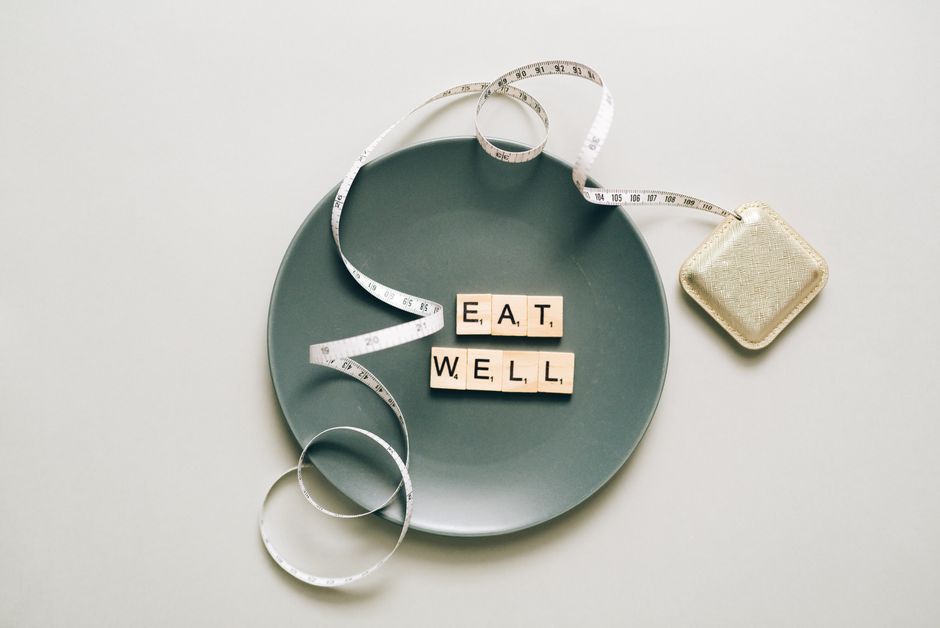
Eating well in college is harder than it sounds. Dining halls, irregular schedules, tight budgets, and late-night study sessions all work against you. The core problem is not a lack of knowledge — it is that college removes the routines that made eating well easy at home. The practical fixes are simpler than most students expect.
Why Is Eating Well in College So Hard?
College disrupts every structure that normally supports good eating. Meals happen at odd hours. Dining halls offer unlimited portions of whatever is cheapest to produce. Sleep gets cut short, which affects appetite regulation.
Research on sleep and appetite has found that short sleep raises levels of ghrelin, a hormone that increases hunger, and lowers leptin, a hormone that signals fullness. So a student running on five hours of sleep is not just tired. They are biologically hungrier, and more likely to reach for quick calories.
Stress adds another layer. Elevated cortisol is associated with increased appetite for high-sugar and high-fat foods in many people. This is not a willpower failure. It is physiology responding to a real environment.
The good news: small structural changes beat big intentions. A student who keeps three reliable food options in their dorm room will eat better than one who plans to cook elaborate meals and never does.
What Should a College Student Actually Eat Every Day?
The fundamentals do not change in college. You need protein, carbohydrates, fat, fiber, vitamins, and minerals — the same as any adult. What changes is how you get them.
A workable daily pattern includes:
- Protein at every meal. Eggs, chicken, beans, yogurt, tofu, canned tuna, or milk. Protein supports muscle maintenance and keeps you full longer than carbohydrates alone.
- At least one fruit and one vegetable. Dining halls almost always have both. Canned and frozen count.
- A whole-grain option. Oatmeal, brown rice, whole wheat bread, or whole grain cereal.
- Water as the default drink. Not juice, not soda, not energy drinks.
- Some fat. Nuts, olive oil, avocado, or full-fat dairy. Fat helps you absorb fat-soluble vitamins and makes food satisfying.
This is not a diet. It is a floor. Hitting these basics most days puts you ahead of most of your peers.
How Do You Eat Well With a Dining Hall Meal Plan?
Dining halls are actually an advantage if you use them deliberately. The problem is that unlimited access to pizza and soft-serve ice cream is not neutral. It is a design feature.
Walk the whole hall before you pick up a plate. Most students fill up at the first station they see. A lap around the room shows you what is actually available.
Build your plate in this order: protein first, then vegetables, then starch. This is not a rule about restriction. It is a practical way to make sure the foods that keep you full do not get squeezed out by the ones that are easiest to grab.
Be careful with beverages. Liquid calories from soda, sweetened coffee drinks, and juice add up fast and do not trigger the same fullness signals as solid food. Water, unsweetened tea, and black coffee are the practical defaults.
If your dining hall has a salad bar, use it. If it has a grill station, ask for grilled rather than fried when both are available. These are small choices that compound over a semester.





What Are the Best Cheap Foods for a Dorm Room?
You do not need a full kitchen to eat reasonably well. A mini-fridge, a microwave, and a shelf are enough for a solid backup food supply.
Foods that store well without refrigeration for a few days:
- Peanut butter and other nut butters
- Canned tuna, salmon, and chicken
- Canned beans and chickpeas
- Oats
- Bananas and apples
- Whole grain bread or crackers
- Nuts and seeds
- Protein bars with short ingredient lists
Foods that need a fridge but keep well:
- Greek yogurt
- Hard-boiled eggs
- Hummus
- Baby carrots and other cut vegetables
- Cheese sticks
- Milk or fortified plant milk
The point of a dorm food stash is not to replace meals. It is to prevent the 11 p.m. vending machine decision that happens when there is nothing else in the room.
How Much Protein Do College Students Need?
The general adult recommendation is 0.8 grams of protein per kilogram of body weight per day. For a 150-pound person, that is about 55 grams. For a 180-pound person, about 65 grams.
Students who train regularly for strength or endurance often need more. Some sports nutrition guidance suggests 1.2 to 2.0 grams per kilogram for athletes, though exact needs depend on training volume and goals. This is a range, not a prescription.
Most college students eating a mixed diet meet the 0.8 g/kg baseline without trying. Students who are vegetarian, vegan, or skip meals regularly are more likely to fall short.
Plant-based protein sources that work well in a dorm: canned beans, lentils, tofu, edamame, peanut butter, and fortified plant milks. Combining different plant proteins across the day covers the amino acid profile adequately for most people.
Does Caffeine Help or Hurt College Students?
Caffeine is a real performance aid for alertness. It is also easy to overdo, especially during exam periods.
Up to 400 milligrams per day is generally considered safe for healthy adults, according to FDA guidance. That is roughly four 8-ounce cups of brewed coffee. Energy drinks often contain 100 to 200 milligrams per can, and some are larger than a single serving.
Caffeine after mid-afternoon can interfere with sleep, and sleep loss drives the appetite changes described earlier. This creates a loop: poor sleep, more caffeine, worse sleep. Breaking that loop matters more than any single nutrition choice.
Energy drinks are a separate category from coffee. They often combine caffeine with sugar and other stimulants. The evidence on their long-term effects in young adults is limited, and some adverse cardiac events have been reported in otherwise healthy young people. They are not a good daily habit.
What About Alcohol and Nutrition?
Alcohol provides calories with no nutritional value — about 7 calories per gram. It also interferes with the absorption of several B vitamins and can disrupt sleep quality even when it makes you feel sleepy at first.
Heavy drinking is associated with poor diet quality in college populations in multiple studies. The relationship runs both ways: poor eating habits and heavy drinking tend to cluster together.
None of this means one drink at a party ruins your nutrition. It means that regular heavy drinking makes every other nutrition goal harder to hit. If you are going to drink, eat something with protein and fat beforehand, and drink water between drinks.
How Do You Handle Late-Night Hunger?
Late-night eating is not inherently bad. What matters is what you eat and how it affects your sleep.
Heavy, high-fat meals close to bedtime can disrupt sleep for some people. So can going to bed very hungry. A light snack with protein and complex carbohydrates — yogurt, a banana with peanut butter, or a small bowl of cereal with milk — tends to work better than either extreme.
The bigger issue is mindless eating during late study sessions. Chips, candy, and energy drinks consumed while distracted add up quickly. Portioning a snack into a bowl instead of eating from the bag is a small change with a real effect.
Do College Students Need Supplements?
Most college students eating a varied diet do not need a multivitamin. The evidence that multivitamins improve health outcomes in well-nourished adults is weak.
There are exceptions worth knowing about. Students who follow a vegan diet may need vitamin B12, since it occurs naturally almost exclusively in animal products. Vitamin D may be worth discussing with a clinician for students in northern latitudes or with limited sun exposure, though routine supplementation is not universally recommended.
Iron is another consideration for students who menstruate, particularly if they also eat little red meat. Iron deficiency is common in this group. Symptoms include fatigue and difficulty concentrating, but these overlap with many other conditions, so testing matters more than guessing.
Supplements are not regulated the same way medications are in the US. What is on the label is not always what is in the bottle. If you are considering a supplement, talk to a clinician or campus health service first.
How Do You Build Habits That Actually Stick?
Big resolutions fail in college because life is unpredictable. Small defaults survive.
Pick one change and make it automatic. Keep a water bottle on your desk. Add a piece of fruit to breakfast. Eat protein at lunch before you decide whether you want dessert. These are not dramatic. They are durable.
Do not aim for perfect. Aim for consistent. A student who eats reasonably well five days out of seven will be healthier over four years than one who eats perfectly for two weeks and gives up.
If you have a campus health center or a registered dietitian available through your student health fee, use it. Individual guidance beats general advice, and it is often free or low-cost for students.
Frequently Asked Questions
How many calories should a college student eat per day?
There is no single number — it depends on your size, activity level, and sex. General adult reference ranges run from about 1,600 to 3,000 calories per day, and most college students fall somewhere in that range.
Is it OK to skip breakfast in college?
Skipping breakfast is not automatically harmful if you eat enough later in the day. But students who skip breakfast often end up hungrier and make poorer food choices by afternoon, so it is worth testing how it affects you.
What is the cheapest healthy food for college students?
Eggs, canned beans, oats, peanut butter, bananas, and frozen vegetables are among the cheapest nutrient-dense options. All of them store well in a dorm and require little or no cooking.
Do college students need a multivitamin?
Most students eating a varied diet do not need one, and the evidence for health benefits in well-nourished adults is weak. Students on vegan diets or with diagnosed deficiencies may need specific supplements, which should be discussed with a clinician.
