
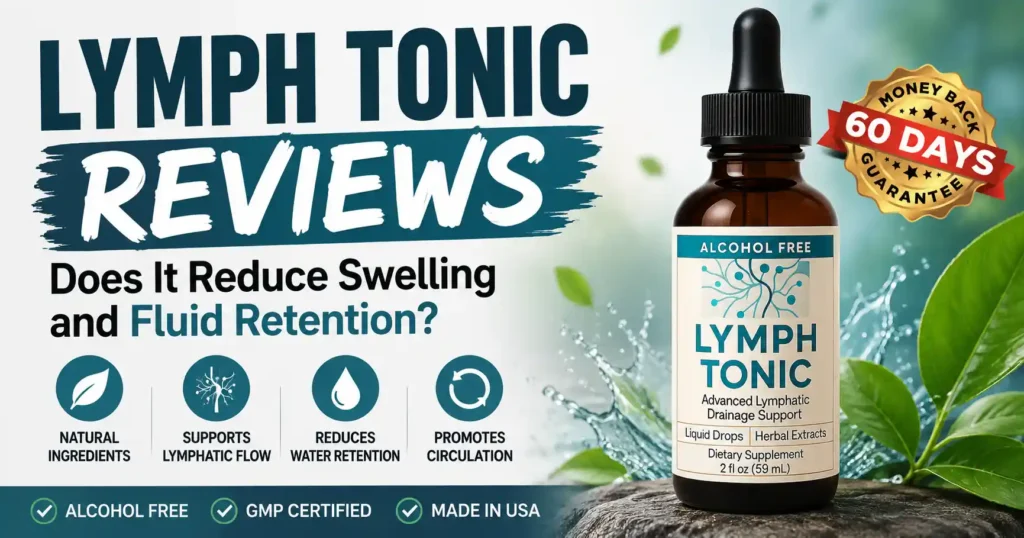
Heavy legs by noon. Puffy ankles that don’t go away after a night’s sleep. That persistent bloated, waterlogged feeling that your doctor shrugs off as “just fluid retention.” For a lot of people, that’s daily life — and they’re actively searching for something that addresses it.
Lymph Tonic has landed squarely in that search. It’s a liquid herbal supplement targeting lymphatic drainage and circulation. The formula has a real ingredient list with some genuinely researched compounds. But it also makes marketing claims that go beyond what the evidence can support.
This review works through exactly what’s inside, what the research tier for each ingredient actually is, who this is likely to help, and who is wasting their money.
Lymph Tonic Reviews
| Field | Details |
|---|---|
| Product Name | Lymph Tonic |
| Type | Alcohol-free liquid herbal tincture (dropper) |
| Purpose | Support lymphatic drainage, reduce fluid retention, improve circulation |
| Key Ingredients | Boswellia Serrata, Horse Chestnut Extract, Nattokinase, Curcumin, Baicalein, Omega-3 Fatty Acids |
| Who It’s For | Adults with lifestyle-related fluid retention, leg heaviness, poor circulation |
| Dosage | 2 droppers (2mL) once daily — under tongue or in water/juice |
| Side Effects | Possible digestive discomfort early on; Nattokinase contraindicated with blood thinners |
| Price All Tiers | 1 bottle: $79 | 3 bottles: $69/each | 6 bottles: $49/each — all free US shipping |
| Guarantee | 60-day money-back, full refund, no questions asked |
| Bonuses | None currently offered |
| Availability | Official website only — not on Amazon or in stores |
| Our Rating | 4.1/5 |
What Is Lymph Tonic?
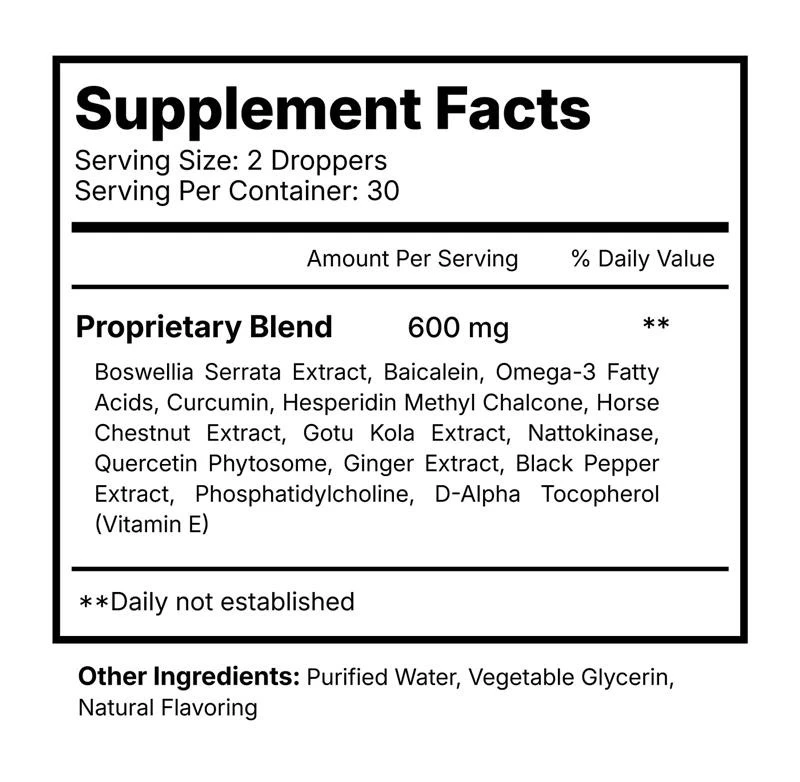
Lymph Tonic is an alcohol-free liquid herbal supplement sold through the official website, formulated specifically to support lymphatic drainage and healthy circulation in adults. Each 2-dropper serving delivers 600mg of a 13-ingredient proprietary herbal blend, with Purified Water, Vegetable Glycerin, and Natural Flavoring as the base.
The formula ships within 1–2 business days and is manufactured in a GMP-certified facility in the USA.
The lymphatic system is genuinely important — it clears excess fluid from tissues, filters waste, and moves immune cells around the body. Unlike the cardiovascular system, it has no pump of its own. Muscle movement, breathing, and healthy surrounding tissue drive it. When those factors are compromised by inflammation, poor circulation, or a sedentary lifestyle, fluid pools. That’s the problem Lymph Tonic targets.
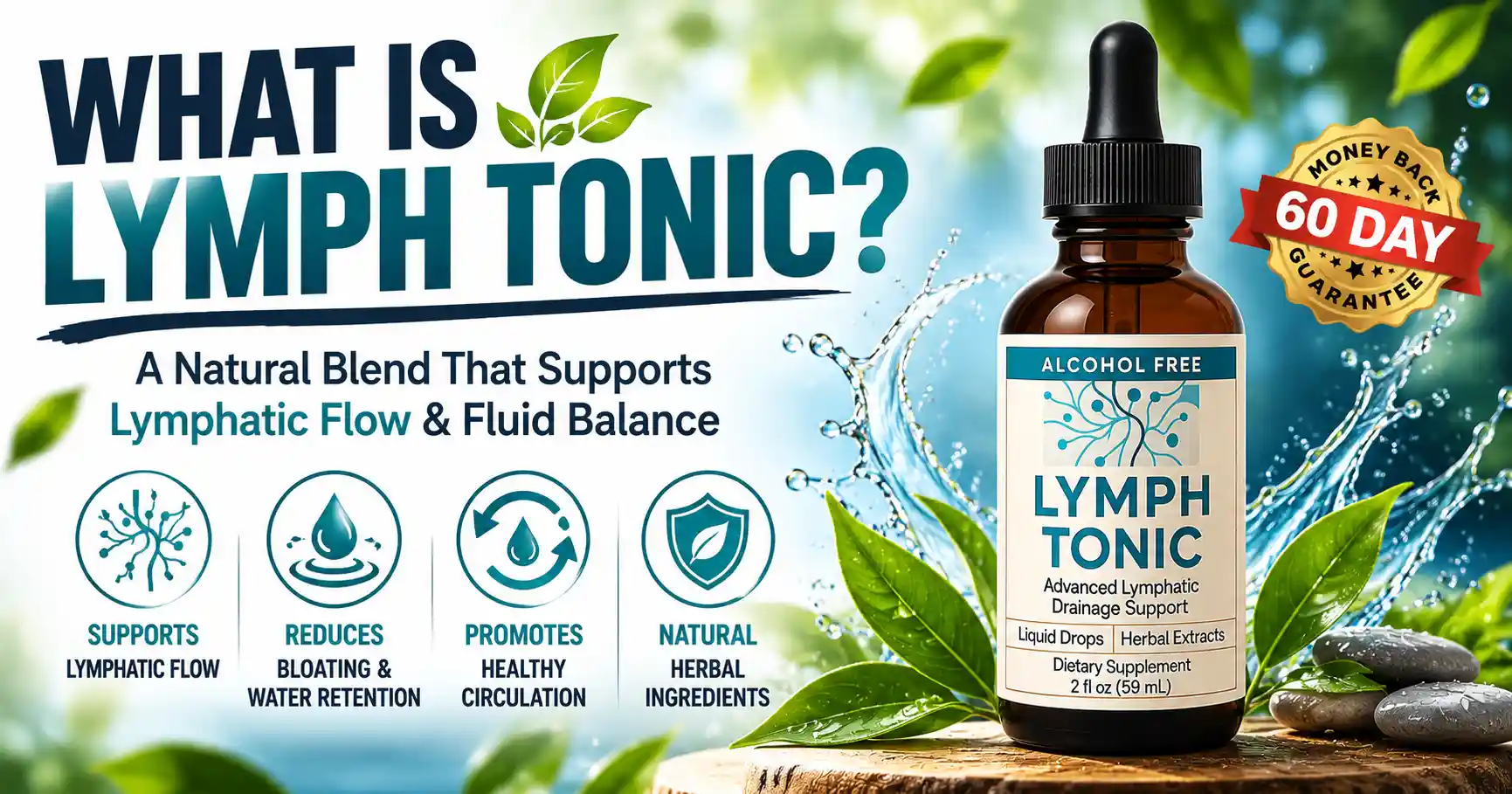
What the formula does not do is treat clinically diagnosed lymphedema. That’s a medical condition requiring professional management. This distinction matters — more on it in the side effects section.
Lymph Tonic Ingredients: What the Evidence Actually Shows
Lymph Tonic contains 13 active ingredients in a 600mg proprietary blend — meaning individual ingredient doses are not disclosed. Here’s what the research says for each core compound, with evidence tiers applied honestly.
Boswellia Serrata Extract
Boswellia may help reduce inflammation by blocking inflammatory enzymes. Lower inflammation may reduce pressure on lymphatic vessels and support smoother fluid flow.
Horse Chestnut Extract
Horse Chestnut is one of the strongest ingredients in the formula for fluid retention support. Research suggests it may help strengthen vein walls and reduce fluid leakage, which can lower swelling and reduce strain on the lymphatic system.
Nattokinase
Nattokinase supports healthy blood flow and circulation. Better circulation may help lymphatic movement. However, it also has blood-thinning effects and may not be safe for people taking blood thinners or clotting medications without medical advice.
Curcumin
Curcumin provides strong anti-inflammatory and antioxidant support. The formula also includes Black Pepper Extract and Phosphatidylcholine, which may improve curcumin absorption.
Baicalein
Baicalein is a plant antioxidant that may help reduce oxidative stress and inflammation. Human research is still limited compared to other ingredients in the formula.
Omega-3 Fatty Acids
Omega-3s support cardiovascular health and help reduce chronic inflammation. Their benefits are broad and supportive rather than directly lymphatic-specific.
The Honest Dosing Concern
Here’s something no other review mentions: The formula contains 13 ingredients within 600mg total, which may limit how much of each ingredient is included.
Some ingredients, like Horse Chestnut and Boswellia, showed benefits in studies using higher doses than what may realistically fit inside this blend. That does not mean the formula cannot work, but it does make the marketing claims look stronger than the disclosed dosing.
How Does Lymph Tonic Work?
Lymph Tonic works by supporting four major areas involved in poor lymphatic flow:
- Reduces inflammation: Boswellia and Curcumin may help lower tissue inflammation that can compress lymphatic vessels and slow drainage.
- Supports fluid balance: Horse Chestnut may help strengthen vein walls and reduce excess fluid leakage into surrounding tissue.
- Improves circulation: Nattokinase supports healthy blood flow, which may help lymph fluid move more efficiently.
- Provides antioxidant protection: Baicalein, Quercetin Phytosome, and Vitamin E help protect blood vessels and lymphatic cells from oxidative stress.
The liquid formula may absorb faster than capsules. Black Pepper Extract and Phosphatidylcholine are included to improve the absorption of curcumin and quercetin.
Unlike joint supplements that target cartilage and collagen, Lymph Tonic focuses on lymphatic circulation, fluid retention, and vascular support.
Results are usually gradual. The formula supports the body’s natural lymphatic function rather than forcing rapid water loss.
Lymph Tonic Side Effects and Who Should Not Take It
Lymph Tonic is formulated with natural herbal extracts, and most healthy adults will not experience serious side effects. The most commonly reported early reactions are mild digestive discomfort or headaches in the first days, particularly when taken on an empty stomach.
There are meaningful drug interaction risks that deserve prominent mention:
Nattokinase has documented anticoagulant activity. Do not take Lymph Tonic alongside warfarin, aspirin for clotting prevention, rivaroxaban, clopidogrel, or any other blood-thinning medication without physician guidance. This is a real pharmacological interaction, not a boilerplate caution.
Baicalein and Curcumin at supplemental doses can affect CYP2C9 enzyme activity — a liver pathway involved in metabolizing various medications. If you take prescription medications processed by the liver, check with your doctor first.
Boswellia Serrata may interact with anti-inflammatory medications.
Lymph Tonic is not intended for people who are pregnant, nursing, or under 18. People with liver or kidney conditions should consult a physician before use, as Horse Chestnut Extract carries cautions for those populations specifically.
Is Lymph Tonic a Scam?
Lymph Tonic is not a scam. The product is a real supplement with real, named ingredients that have independent research behind them. It’s manufactured in the USA in a GMP-certified facility and is sold through ClickBank — a legitimate e-commerce platform.
The legitimate criticisms are different from “scam.” The brand’s marketing overstates how directly the ingredient-level evidence supports the finished formula. The proprietary blend format means you can’t verify individual ingredient doses.
There’s no published clinical trial on Lymph Tonic as a finished product. Those are real limitations — but they’re common across the supplement industry, not evidence of fraud. The 60-day money-back guarantee provides a genuine safety net for buyers who want to test it without financial risk.
Complaints and Real User Criticisms
The honest complaints about Lymph Tonic cluster into four areas:
Slow results. Some users expected changes within days and saw nothing in the first two weeks. The mechanism — tissue inflammation reduction and vascular wall strengthening — takes weeks to produce noticeable change. Buyers who don’t understand this quit early.
Early digestive adjustment. Some users report mild bloating or nausea in the first few days, particularly when taking on an empty stomach. This appears to resolve within a week for most.
No independent clinical trial on the formula. This is the most substantive concern for evidence-oriented buyers. The brand’s efficacy claims are built entirely on individual ingredient research, not on a clinical trial of Lymph Tonic itself. That’s an honest gap.
Proprietary blend opacity. Fourteen ingredients (including inactive) are compressed into 600mg without individual dose disclosure. Buyers who want to know whether Horse Chestnut is dosed at 300mg or 30mg simply cannot find out. For an ingredient where clinical evidence depends significantly on dose, that’s a real transparency limitation.

Lymph Tonic Pricing and Where to Buy
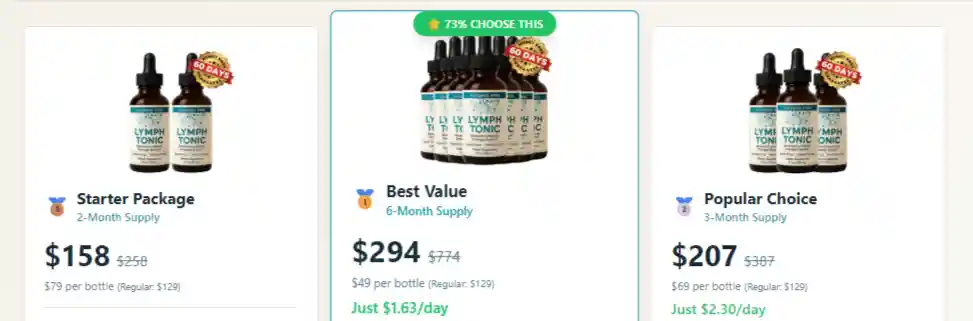
Lymph Tonic is available exclusively through the official website. Pricing verified June 2026:| Package | Supply | Per Bottle | Total | Best For |
|---|---|---|---|---|
| 1 Bottle | 30 days | $79 | $79 | First-time buyers testing before committing |
| 3 Bottles | 90 days | $69 | $207 | Recommended — most results occur in the 60–90 day window |
| 6 Bottles | 180 days | $49 | $294 | Lowest per-bottle cost — full treatment cycle with supply buffer |
💰 60-Day Money-Back Guarantee on all orders. Full refund, no questions asked, within 60 days of purchase. Empty bottle returns accepted.
🚚 Free US shipping on all packages.
Pricing and formula verified June 2026. Visit the official website for current availability.
Pricing and formula verified June 2026. This article contains affiliate links — see our Affiliate Disclosure. Lymph Tonic is not intended to diagnose, treat, cure, or prevent any disease. Consult a healthcare provider before use if you take prescription medications or manage a health condition.
