
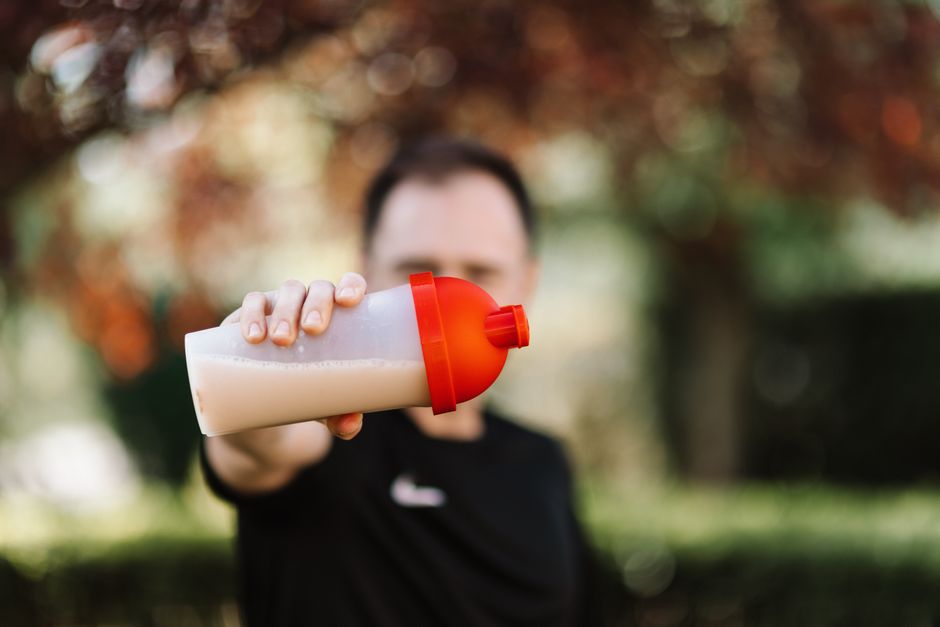
Iso whey protein is a highly filtered form of whey that contains very little fat and lactose. It can help with weight loss, but only as part of a diet that already controls total calories. The protein itself does not burn fat. It helps you stay full and preserve muscle while you eat less.
What Is Iso Whey Protein?
Iso whey is short for whey protein isolate. It starts as whey, the liquid left over when cheese is made. That liquid goes through extra processing to remove most of the fat and lactose.
The result is a powder that is roughly 90 percent protein by weight. Regular whey concentrate is closer to 70 to 80 percent. So per scoop, isolate delivers more protein with fewer calories and less carbohydrate.
Whey is a complete protein. It contains all nine essential amino acids your body cannot make on its own. It also digests quickly, which is one reason it shows up in sports nutrition.
For weight loss, the type of whey matters less than most marketing suggests. What matters is that you are getting enough protein and staying in a calorie deficit. Isolate is simply a convenient way to do that if you are lactose sensitive or watching carbs closely.
How Does Protein Support Weight Loss?
Protein affects weight loss through several established mechanisms. None of them are unique to iso whey. They apply to protein from any source.
- Satiety: Protein takes longer to digest than refined carbohydrates and triggers fullness signals. People tend to eat less at their next meal after a high-protein one.
- Thermic effect: Your body burns more calories digesting protein than it does digesting fat or carbohydrate. This effect is real but modest.
- Muscle preservation: When you eat fewer calories, some weight loss comes from muscle. Adequate protein plus resistance training helps protect lean mass.
The muscle point deserves attention. If you lose weight but lose a lot of muscle along with it, your resting metabolism can drop. That makes keeping the weight off harder. Protein helps, but it works best alongside strength training, not on its own.
The thermic effect is often oversold. It is a genuine metabolic cost, but it does not add up to meaningful fat loss by itself. The appetite effect is where protein earns most of its keep.
Does Iso Whey Protein Help You Lose Weight?
Iso whey can help, but it is not a weight loss product. The evidence supports protein in general for appetite control and muscle retention during calorie restriction. Iso whey is one delivery method for that protein.
Here is the honest position. No study has shown that iso whey specifically causes more fat loss than other protein sources when calories and total protein are matched. Some research suggests whey protein supplements may support modest weight loss when they replace other calories in the diet, but results vary and the effect is generally small.
A shake does not cancel out a poor diet. If you add a 120-calorie protein shake on top of your normal eating, you have added calories, not removed them. For weight loss, the shake needs to replace something, usually a snack or part of a meal.
Where iso whey genuinely helps:
- It makes hitting a daily protein target easier when food alone is not practical.
- It is low in lactose, so it suits people who get digestive discomfort from regular whey.
- It is low in fat and carbohydrate, which fits a tightly controlled calorie budget.
Where it does not help: it will not speed up your metabolism, block fat absorption, or melt belly fat. Those claims have no clinical support.





How Much Protein Do You Actually Need?
The general adult recommendation for minimum protein intake is about 0.8 grams per kilogram of body weight per day. That is the amount to avoid deficiency, not the amount for weight loss.
During calorie restriction, higher intakes are often used to protect muscle. Many clinicians and sports nutrition guidelines suggest roughly 1.2 to 1.6 grams per kilogram of body weight per day for adults trying to lose fat while preserving lean mass. Some go higher for people doing intense training, but the evidence for going much above that range is limited.
To put that in context, a person weighing 70 kilograms (about 154 pounds) would aim for roughly 84 to 112 grams of protein per day under those guidelines. A single scoop of iso whey typically provides around 20 to 30 grams, depending on the product.
That means one or two shakes can close a gap, but they are not meant to be your main protein source. Whole foods like eggs, fish, poultry, dairy, beans, and lean meat bring additional nutrients that powder does not.
People with kidney disease should talk to a doctor before increasing protein intake. For most healthy adults, higher protein intakes within these ranges are considered safe, but individual medical conditions change that picture.
Iso Whey vs Other Protein Sources
If you are choosing between powders, the differences are smaller than the labels imply. Here is how they compare on the numbers that matter for weight loss.
| Type | Protein per scoop (approx.) | Lactose | Notes |
|---|---|---|---|
| Whey isolate | 20-30 g | Very low | Fast digesting, low fat and carb |
| Whey concentrate | 17-24 g | Low to moderate | Cheaper, slightly more fat and carb |
| Casein | 20-24 g | Low | Slow digesting, often used before bed |
| Plant blends | 15-25 g | None | Varies by source; check amino acid profile |
For weight loss specifically, none of these has a clear advantage over the others when protein and calories are matched. Isolate wins on lactose tolerance and carb count. Concentrate wins on price. Casein may keep you full slightly longer because it digests slowly, though the practical difference is small.
The best choice is the one you will actually use consistently and that fits your calorie budget.
What to Watch Out For
Protein powder is a supplement, not a regulated food in the same way as most groceries. In the United States, supplements are not reviewed for safety and effectiveness before they are sold. That means label accuracy can vary between brands.
Some products have been found to contain less protein than the label states, or to contain fillers and added sugars. Third-party testing programs exist, and products carrying those certifications are generally a safer bet. This is not a reason to avoid protein powder, but it is a reason to choose brands carefully.
A few practical cautions:
- Added sugars and artificial flavorings can push a shake’s calorie count well above what the protein alone provides.
- Some people get bloating or gas from sugar alcohols used in low-carb powders.
- Very high protein intakes without enough fiber and fluid can cause constipation.
If you have kidney disease, liver disease, or a metabolic condition, talk to your doctor before adding protein supplements. For most healthy adults, a shake or two a day is not a concern, but the guidance changes with certain medical conditions.
The Bottom Line on Iso Whey and Weight Loss
Iso whey protein is a convenient, low-lactose way to add protein to your diet. Protein helps with weight loss mainly by reducing appetite and protecting muscle during calorie restriction. Those effects come from protein in general, not from iso whey specifically.
No powder replaces the fundamentals. A calorie deficit is what drives weight loss. Protein helps you stick to that deficit and keep muscle while you do it. Iso whey is a tool for hitting your protein target, not a shortcut around the work.
Frequently Asked Questions
Can iso whey protein help you lose belly fat?
No food or supplement targets belly fat specifically. Iso whey may support overall fat loss by helping you stay full and preserve muscle, but spot reduction does not happen through diet alone.
How many protein shakes a day is too many for weight loss?
There is no fixed limit, but most guidance suggests using shakes to fill a protein gap rather than as your main protein source. One or two a day is common, with the rest coming from whole foods.
Is iso whey better than regular whey for losing weight?
Not clearly. Iso whey has less lactose and slightly fewer calories per scoop, which can help if you are sensitive to lactose or tracking calories tightly. When protein and calories are matched, the weight loss effect appears similar.
Can I use iso whey protein to replace meals?
Replacing an occasional meal with a shake is common, but doing it long term can make it hard to get enough fiber, vitamins, and minerals. Whole foods should stay the foundation of your diet.
