
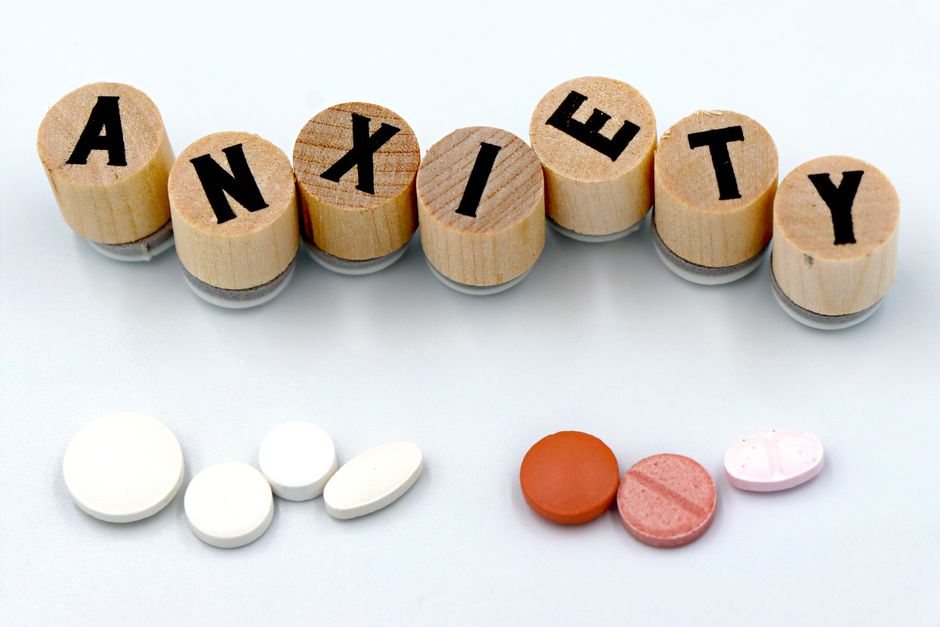
Zoloft (sertraline) is an FDA-approved medication for several conditions, and while it is not officially approved for generalized anxiety disorder, it is widely prescribed for anxiety disorders as an off-label treatment. Doctors commonly use it for panic disorder, social anxiety disorder, and post-traumatic stress disorder because clinical evidence shows it reduces anxiety symptoms effectively. The medication works by increasing serotonin levels in the brain, which helps regulate mood and fear responses over time.
Is Zoloft Used For Anxiety Effects Dosing Safety?
Yes, Zoloft is used for anxiety, though the FDA has not approved it specifically for generalized anxiety disorder. The FDA has approved sertraline for panic disorder, social anxiety disorder, PTSD, OCD, and depression. Many psychiatrists prescribe it off-label for generalized anxiety because studies show it works similarly to other SSRIs that carry the official approval.
Off-label prescribing is legal and common in medicine. It means a doctor prescribes a drug for a condition not listed on the official label. This happens when strong evidence supports the use but the manufacturer has not pursued FDA approval for that specific condition. For anxiety, the evidence is substantial enough that many clinical guidelines recommend SSRIs like sertraline as first-line treatment.
How Does Zoloft Work for Anxiety?
Zoloft belongs to a class of drugs called selective serotonin reuptake inhibitors (SSRIs). Serotonin is a neurotransmitter that helps regulate mood, sleep, appetite, and anxiety. In people with anxiety disorders, serotonin signaling is often disrupted.
The medication blocks the reabsorption of serotonin in the brain. This leaves more serotonin available between nerve cells, which improves communication in brain circuits involved in mood and fear. The full therapeutic effect takes time. Most people notice some change within 2 to 4 weeks, but the maximum benefit usually appears after 6 to 8 weeks of consistent use.
An important point: Zoloft does not work like a rescue medication. It does not stop an active panic attack or sudden anxiety spike. It works gradually to reduce the overall background level of anxiety. For sudden symptom relief, doctors sometimes prescribe a fast-acting medication like a benzodiazepine alongside Zoloft during the first weeks of treatment.
What Is the Typical Starting Dose and How Is It Adjusted?
Doctors usually start Zoloft at a low dose to minimize side effects. For anxiety, the typical starting dose is 25 mg once daily. Some patients with severe anxiety start at 12.5 mg for the first week to allow their body to adjust.
After the first week, the dose often increases to 50 mg daily. If symptoms do not improve adequately, the doctor may raise the dose in 25 mg increments every 1 to 2 weeks. The standard therapeutic range for anxiety is 50 mg to 200 mg per day. Most people find relief at 50 mg to 100 mg daily.
Dose adjustments require patience. The medication needs time at each dose to show its full effect. Increasing too quickly increases side effects without speeding up relief. Only a prescribing clinician should adjust the dose. Never change your dose without medical supervision.





What Side Effects Can You Expect?
Side effects are most noticeable during the first 1 to 2 weeks and often fade as the body adjusts. Common side effects include:
- Nausea or digestive upset
- Headache
- Insomnia or drowsiness
- Dry mouth
- Increased sweating
- Fatigue
- Changes in appetite
- Sexual side effects such as reduced libido or delayed orgasm
Sexual side effects are the most common reason people stop taking SSRIs. These effects do not always fade with time. If they become a problem, discuss options with your doctor. A lower dose, a different SSRI, or an added medication can sometimes help.
Some people experience a temporary increase in anxiety during the first days of treatment. This is called activation. It usually settles within a week. If it feels severe, contact your doctor rather than stopping the medication abruptly.
What Are the Serious Risks to Know About?
All SSRIs carry a warning about increased suicidal thoughts in children, adolescents, and young adults under age 25. The risk is highest during the first few months of treatment or when the dose changes. If you notice worsening depression, new or worsening suicidal thoughts, or unusual changes in behavior, contact a healthcare professional immediately.
Serotonin syndrome is a rare but serious condition caused by too much serotonin in the body. It can happen when Zoloft is combined with other medications that raise serotonin levels, such as certain migraine drugs, St. John’s wort, or other antidepressants. Symptoms include confusion, rapid heart rate, fever, muscle twitching, and sweating. This requires immediate medical attention.
Stopping Zoloft suddenly can cause withdrawal-like symptoms. These include dizziness, nausea, headache, irritability, and a sensation described as electric shocks. To avoid this, doctors taper the dose gradually over several weeks or months. Never stop without discussing a plan with your prescriber.
How Does Zoloft Compare to Other Anxiety Medications?
Zoloft is one of several SSRIs used for anxiety. Others include Lexapro (escitalopram), Prozac (fluoxetine), and Paxil (paroxetine). All work similarly but differ in side effect profiles and how they interact with other medications.
Compared to benzodiazepines like Xanax or Ativan, Zoloft has a slower onset but no risk of physical dependence at therapeutic doses. Benzodiazepines work within minutes but carry significant risks including tolerance, addiction, and withdrawal. SSRIs are generally preferred for long-term anxiety management.
Compared to SNRIs like Effexor (venlafaxine) or Cymbalta (duloxetine), Zoloft is often better tolerated in terms of blood pressure effects. SNRIs can raise blood pressure in some people. The choice between an SSRI and SNRI depends on your specific symptoms, medical history, and how you respond to treatment.
How Long Do You Need to Take Zoloft for Anxiety?
Most clinicians recommend continuing the medication for at least 6 to 12 months after symptoms improve. This reduces the chance of relapse. For many people, long-term treatment is appropriate, especially if anxiety has been recurrent or severe.
Anxiety disorders are often chronic conditions. Some people need medication for years. Others use it during a specific stressful period and then taper off with professional guidance. The decision to stop should be made with your doctor, not alone.
Combining Zoloft with therapy produces better outcomes than medication alone. Cognitive behavioral therapy (CBT) helps you build skills to manage anxious thoughts and behaviors. Research consistently shows that the combination of SSRI medication and CBT is more effective than either treatment alone for many anxiety disorders.
Who Should Not Take Zoloft?
Zoloft is not safe for everyone. Tell your doctor about all medical conditions and medications before starting. Important considerations include:
- Pregnancy: Some studies suggest a small increased risk of certain birth defects with first-trimester exposure. However, untreated anxiety during pregnancy also carries risks. Discuss the balance with your obstetrician.
- Breastfeeding: Sertraline passes into breast milk in low amounts. It is generally considered one of the safer SSRIs during breastfeeding, but this decision requires individualized medical advice.
- Liver disease: The liver metabolizes Zoloft. Dose adjustments may be necessary.
- Bipolar disorder: SSRIs can trigger a manic episode in people with bipolar disorder. A mood stabilizer is usually needed first.
- MAOI antidepressants: Combining these with Zoloft can cause life-threatening serotonin syndrome. A washout period of at least 14 days is required between these medications.
Tell your doctor about all supplements and over-the-counter medications you take. Some natural supplements, including tryptophan and St. John’s wort, can dangerously increase serotonin when combined with Zoloft.
Frequently Asked Questions
How long does Zoloft take to work for anxiety?
Most people notice initial changes within 2 to 4 weeks. Full therapeutic benefit typically appears after 6 to 8 weeks at a consistent dose.
Can you drink alcohol while taking Zoloft?
Alcohol can worsen the sedative effects and increase anxiety symptoms. The combination also raises the risk of liver strain and impairs judgment about medication adherence.
Does Zoloft cause weight gain?
Some people experience weight changes, but this is not universal. The effect varies significantly between individuals, and some studies suggest sertraline may cause less weight gain than other SSRIs.
What happens if you miss a dose of Zoloft?
Take the missed dose as soon as you remember unless it is close to your next scheduled dose. Do not double up doses. If you miss several days, contact your doctor before restarting.
