
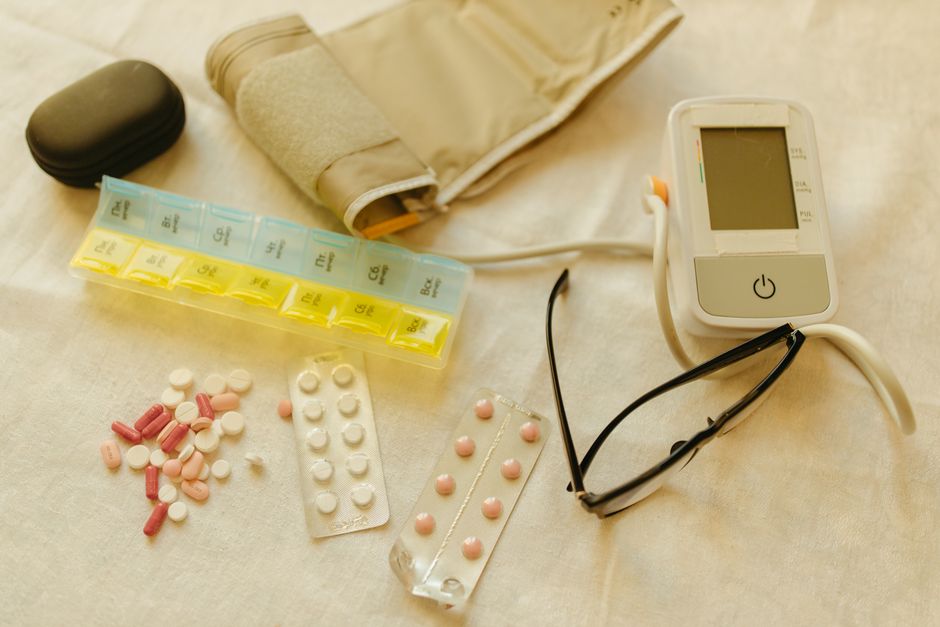
Zoloft (sertraline) is not a blood thinner. It does not dissolve clots or lower vitamin K the way warfarin does. But it can affect how platelets work, and that matters for bleeding risk. This is a real effect, not a marketing claim or a viral rumor. Understanding it helps you ask better questions before surgery, before starting a new medication, and before dismissing a bruise that keeps getting bigger.
Is Zoloft A Blood Thinner Bleeding Risk Explained
Zoloft belongs to a class of antidepressants called selective serotonin reuptake inhibitors, or SSRIs. It works by increasing serotonin in the brain, which helps with depression and anxiety. The same serotonin system exists in your gut and in your platelets.
Platelets are tiny cell fragments in your blood. When you get a cut, they clump together to form a plug. Serotonin helps them do that. SSRIs block the protein that normally pulls serotonin back into cells. In platelets, that means serotonin can’t get back in and be stored properly. Platelets end up with less serotonin to release when they’re needed.
The result is a platelet that still works, but works a little less well. This is not the same as a blood thinner. A blood thinner like warfarin or a direct oral anticoagulant interferes with the clotting cascade — the chain of proteins that builds a fibrin mesh. SSRIs don’t touch that cascade. They nudge platelet function.
That distinction matters. It explains why bleeding from an SSRI is usually mild and mucosal — nosebleeds, gum bleeding, easy bruising, sometimes heavier menstrual bleeding. It also explains why serious bleeding is uncommon but not zero.
How Much Does Zoloft Actually Raise Bleeding Risk?
The short answer is: a little, and mostly in combination with other medications.
Studies looking at SSRI use and upper gastrointestinal bleeding have generally found a modest increase in risk when an SSRI is used alone. When an SSRI is combined with an NSAID like ibuprofen or naproxen, the risk rises more. When it’s combined with an anticoagulant or an antiplatelet drug like aspirin, it rises further still.
This is where the evidence is fairly consistent. The interaction is real. The absolute risk for any one person taking Zoloft alone, with no other bleeding-risk medications and no history of ulcers, is low.
Some research suggests SSRIs may also be associated with a small increase in risk of bleeding after certain surgeries and procedures. The evidence here is more mixed, and guidelines on whether to stop an SSRI before surgery vary. Some clinicians recommend continuing, some recommend pausing, and the decision usually depends on the specific procedure and the reason you’re on the drug.
If you’re scheduled for surgery, tell your surgeon and anesthesiologist every medication you take, including Zoloft. Do not stop it on your own.
What Does Zoloft Bleeding Actually Look Like?
Most people on Zoloft never have a bleeding problem. When one does occur, it usually shows up in specific ways.
- Nosebleeds that happen more often or take longer to stop
- Bleeding gums when brushing teeth
- Bruises that appear without a clear cause
- Heavier or longer menstrual periods
- Blood in stool or black, tarry stools
- Blood in urine
- Unusual or prolonged bleeding from small cuts
Black, tarry stools and vomiting blood are not subtle signs. They mean bleeding somewhere in the upper digestive tract and need urgent medical attention. So does a nosebleed that won’t stop after 10 to 15 minutes of firm pressure.
One thing worth knowing: easy bruising is common in people on SSRIs, and it’s frequently harmless. But “common” is not the same as “always harmless.” If bruising appears suddenly, spreads, or comes with fatigue or shortness of breath, that combination deserves a medical evaluation.


Who Is at Higher Risk of Bleeding on Zoloft?
Risk is not the same for everyone. Certain factors stack.
Medications that add to the risk
This is the biggest factor by far.
- NSAIDs — ibuprofen, naproxen, diclofenac, and others
- Aspirin, even low-dose
- Anticoagulants — warfarin, apixaban, rivaroxaban, edoxaban, dabigatran
- Other antiplatelet drugs — clopidogrel, ticagrelor
- Some corticosteroids
- Other SSRIs or SNRIs
- Certain herbal products, including ginkgo, garlic supplements, and high-dose fish oil
If you take Zoloft plus one or more of these, your bleeding risk is meaningfully higher than Zoloft alone. That doesn’t mean you should stop anything. It means your prescriber should know about every product you take.
Medical history that adds to the risk
- A prior peptic ulcer or gastrointestinal bleed
- Liver disease, which affects clotting factor production
- Kidney disease
- Low platelet count or a known platelet disorder
- Alcohol use disorder
- Older age
Genetics and individual variation
Not everyone responds the same way. Some people bruise easily on an SSRI; most don’t. Researchers have looked at whether certain genetic differences in serotonin transport affect this, and the findings are not yet strong enough to guide decisions.
Zoloft vs. Blood Thinners: What’s the Difference?
These are different drug categories doing different jobs. Confusing them leads to real misunderstandings.
| Feature | Zoloft (SSRI) | Anticoagulant (blood thinner) |
|---|---|---|
| Primary purpose | Treat depression, anxiety, OCD, PTSD, panic disorder | Prevent or treat blood clots |
| Mechanism | Reduces platelet serotonin storage | Interferes with clotting cascade proteins |
| Effect on clotting time | Mild, indirect | Direct, measurable |
| Monitored with blood tests | No routine bleeding tests | Often (INR, aPTT, or drug-specific assays) |
| Reversal agent available | Not applicable | Yes, for most |
| Typical bleeding pattern | Mucosal, minor | Can be serious or internal |
If you’re on both, you’re on two drugs that each affect bleeding in different ways. That combination is sometimes necessary. It’s also the combination that deserves the most attention from your care team.
Should You Stop Zoloft Before Surgery or Dental Work?
Do not stop Zoloft on your own. That is the clearest guidance here.
Stopping an SSRI suddenly can cause discontinuation symptoms — dizziness, nausea, irritability, electric-shock-like sensations, and a return of the depression or anxiety it was treating. For some people, that risk is worse than the bleeding risk.
What you should do is tell every provider who might cut, poke, or prescribe. That includes your surgeon, anesthesiologist, dentist, and any specialist you see. Bring a written list of everything you take, including supplements.
Guidelines on perioperative SSRI management are not uniform. Some professional societies suggest continuing SSRIs in most cases. Others leave it to clinical judgment. The decision usually weighs the bleeding risk of the specific procedure against the psychiatric risk of stopping.
For most dental procedures, routine cleanings, and minor skin procedures, stopping is rarely necessary. For major surgery, the conversation is more involved.
What About Alcohol, Herbs, and Everyday Pain Relievers?
These are the everyday factors that quietly add up.
Alcohol affects platelet function and liver clotting factors. Heavy drinking plus an SSRI is a combination that raises bleeding risk in a way that neither does alone.
Herbal supplements are a common blind spot. Ginkgo, garlic, ginger, turmeric, and high-dose fish oil all have some evidence of affecting platelet function or bleeding time. The evidence varies by product and dose, and the supplement industry is not tightly regulated. If you take any of these alongside Zoloft, mention it to your prescriber.
Over-the-counter pain relievers are the most common culprit. Ibuprofen and naproxen are NSAIDs. Acetaminophen (Tylenol) is not an NSAID and does not carry the same platelet-related bleeding concern. If you need a pain reliever and you’re on Zoloft, acetaminophen is often the safer default — but check with your pharmacist or clinician, because acetaminophen has its own liver-related cautions at high doses or with alcohol.
When Should You Call a Doctor?
Call your doctor or seek urgent care if you have:
- Black, tarry stools or blood in your stool
- Vomiting blood or material that looks like coffee grounds
- A nosebleed that won’t stop after 10 to 15 minutes of firm, continuous pressure
- Bleeding gums that are new and persistent
- Bruises that appear without injury, spread, or grow
- Blood in your urine
- Unusually heavy menstrual bleeding that soaks through protection quickly
- Any bleeding after a head injury, even if you feel fine
Head injuries deserve special mention. If you hit your head and you’re on an SSRI plus any other bleeding-risk medication, get evaluated. Bleeding inside the skull can be slow and subtle at first.
For routine concerns — a new bruise pattern, slightly longer bleeding from small cuts — a call to your prescriber is reasonable. They may adjust a dose, review your medication list, or simply document it.
What the Evidence Does and Doesn’t Show
The link between SSRIs and bleeding is well documented. It’s not a fringe concern or an internet rumor. It’s in the clinical literature and in drug labeling.
What the evidence does not show is that Zoloft is a blood thinner, that it requires routine monitoring like warfarin, or that most people on it will have a bleeding problem. Most won’t.
The honest framing is this: Zoloft has a modest effect on platelet function. That effect becomes clinically meaningful mainly when it stacks with other bleeding-risk factors. For most people on Zoloft alone, the risk is low and manageable. For people on multiple medications that affect bleeding, it deserves real attention.
If you’re on Zoloft, the most useful thing you can do is keep an accurate, current list of everything you take and share it with every provider you see. That single habit prevents more problems than any internet search will.
Frequently Asked Questions
Is Zoloft a blood thinner?
No. Zoloft is an SSRI antidepressant, not an anticoagulant or antiplatelet drug. It can mildly affect platelet function, but it does not work like warfarin or other blood thinners.
Can Zoloft cause bleeding?
It can increase the tendency to bleed slightly, most often as nosebleeds, gum bleeding, easy bruising, or heavier periods. Serious bleeding is uncommon and usually involves other risk factors like NSAIDs or anticoagulants.
Can I take ibuprofen while on Zoloft?
It’s possible but worth checking with your prescriber or pharmacist first. Combining an SSRI with an NSAID like ibuprofen raises gastrointestinal bleeding risk more than either drug alone.
Should I stop Zoloft before surgery?
Do not stop it on your own. Tell your surgeon and anesthesiologist you take it, and let them decide based on your procedure and history.
