
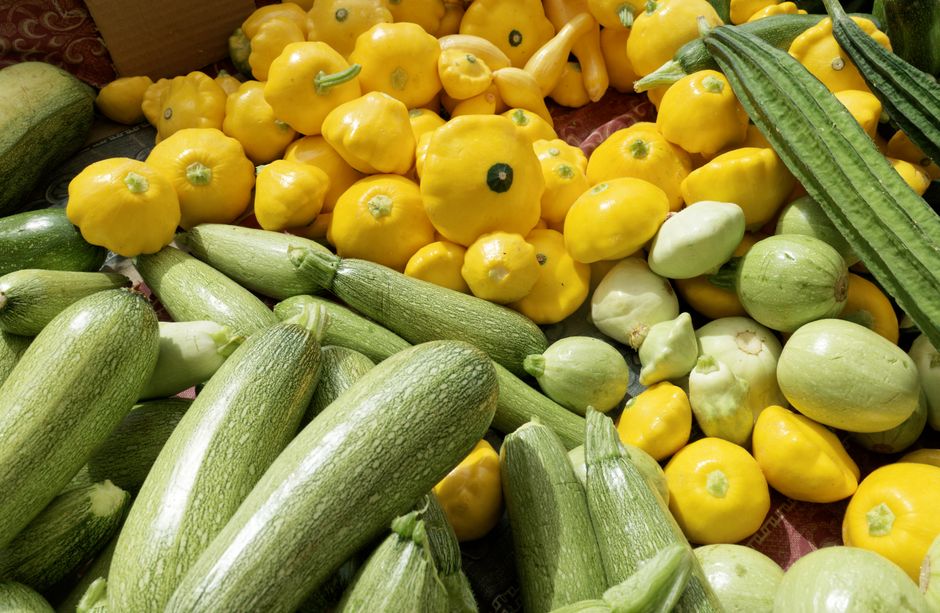
Yellow squash is a genuinely healthy vegetable. It is low in calories, high in water, and provides useful amounts of vitamin C, potassium, and fiber. It fits comfortably into almost any eating pattern, and for most people the only real limits are how you cook it and how much of it you eat.
That said, “healthy” covers a lot of ground. Below is what yellow squash actually delivers, where it falls short, and how to think about it honestly.
Is Yellow Squash Healthy? What the Nutrition Actually Shows
Yellow squash earns its place on the plate mostly through what it does not contain. A cup of sliced raw yellow squash has roughly 20 calories, about 4 grams of carbohydrate, around 1 gram of fiber, and very little fat or protein. It is mostly water — somewhere in the neighborhood of 90 percent.
That water content matters. Foods with high water and low energy density help you feel full without delivering many calories, which is one reason vegetables like squash appear in weight-management guidance. The effect is modest on its own, but it adds up across a whole diet.
Here is a rough picture of what one cup of raw sliced yellow squash provides. These figures come from standard USDA nutrient data and vary slightly by variety and growing conditions.
| Nutrient | Approximate amount per 1 cup raw, sliced |
|---|---|
| Calories | About 20 |
| Carbohydrate | About 4 g |
| Fiber | About 1 g |
| Vitamin C | A meaningful share of daily needs (roughly 20–30% of the Daily Value) |
| Potassium | Several hundred milligrams |
| Water | Roughly 90% |
One clarification worth making: yellow squash and zucchini are closely related, but they are not the same plant. Yellow squash typically has a soft skin and a slightly sweeter, more watery flesh. The two are nutritionally similar enough that swapping one for the other rarely changes anything meaningful.
What Nutrients Does Yellow Squash Provide?
The standout nutrient is vitamin C. Yellow squash is not a record-holder like bell pepper or citrus, but a cup contributes a real portion of what an adult needs in a day. Vitamin C is water-soluble, which means cooking methods that leach it into water — long boiling, for instance — can reduce how much you actually get.
Potassium is the second useful contribution. Most Americans fall short on potassium, and vegetables are the main dietary source. Potassium plays a direct role in blood pressure regulation, and higher potassium intake is associated with lower blood pressure in population studies.
Yellow squash also supplies smaller amounts of vitamin B6, folate, magnesium, and manganese, plus carotenoids including lutein and zeaxanthin. These pigments concentrate in the retina, and some evidence links higher dietary intake of them to eye health. The evidence for supplements is weaker than for food sources, so treat the squash itself as the reasonable delivery method.
The skin and flesh also contain modest antioxidant compounds. Do not oversell this. Yellow squash is a good everyday vegetable, not a therapeutic food.
Does Cooking Yellow Squash Change Its Health Value?
Yes — and mostly in ways worth knowing. Cooking softens the cell walls, which can make some nutrients easier to absorb. At the same time, heat and water degrade vitamin C, which is the nutrient yellow squash has the most of.
The practical trade-off is straightforward. Quick methods — sautéing, roasting, grilling, steaming briefly — preserve more vitamin C than boiling for a long time. Roasting and grilling also concentrate flavor because water evaporates, which is why roasted squash tastes so different from boiled.
There is a catch that has nothing to do with the vegetable itself. Yellow squash is mild and absorbs whatever it cooks in. A lot of squash dishes are healthy in theory and heavy in practice because of butter, cream, cheese, or breading. The squash does not change. The preparation does.
One genuinely useful note: if you are watching sodium or calories, how you season matters more than the squash. A tablespoon of butter adds about 100 calories. A light coating of olive oil and herbs adds flavor with far less.




Can Yellow Squash Help With Weight Management?
It can help as part of a larger pattern, not on its own. The mechanism is well established: foods high in water and fiber and low in calories increase the volume of a meal, which tends to increase fullness. Studies on energy density consistently show that people eat a similar weight of food regardless of calorie content, so bulking meals with vegetables lowers total calories without leaving you hungry.
Yellow squash fits that model well. It is cheap, versatile, and easy to add to soups, stir-fries, and casseroles. Replacing part of a higher-calorie ingredient — some of the pasta in a dish, for instance — with squash is a practical swap many people find sustainable.
What it will not do is cause weight loss by itself. No single vegetable does. Be skeptical of any claim that a specific food “burns fat” or “melts belly fat.” That is not how human metabolism works.
Are There Any Downsides or Risks?
For most people, yellow squash is well tolerated and safe. The main issues are minor and specific.
- Fiber load. Eating a large amount at once can cause bloating or gas, especially if you are not used to high-fiber vegetables. Increasing gradually helps.
- Kidney considerations. Yellow squash contains oxalates, compounds that can contribute to kidney stones in people who form calcium oxalate stones. If you have a history of stones, it is reasonable to discuss vegetable choices with your clinician rather than avoiding squash outright.
- Potassium and kidney disease. People with advanced kidney disease are often advised to limit potassium. Yellow squash is a moderate source, so portion guidance from a clinician or dietitian matters more here than for the general population.
- Bitter squash. Occasionally, squash grown under stress can develop high levels of compounds called cucurbitacins, which taste extremely bitter. Very high levels can cause stomach upset. If a squash tastes sharply bitter, discard it rather than eating it.
None of these are reasons for most people to avoid yellow squash. They are reasons to eat it the way you eat most vegetables — in normal portions, as part of a varied diet.
How Does Yellow Squash Compare to Other Vegetables?
Honestly, yellow squash is a solid mid-tier vegetable. It does not match dark leafy greens for vitamin K or spinach for iron. It does not match bell peppers for vitamin C. What it does well is deliver decent nutrition with almost no calorie cost and a texture mild enough to work in many dishes.
Compared with starchy vegetables like potatoes or corn, yellow squash is much lower in carbohydrate and calories. Compared with zucchini, it is nearly identical nutritionally. Compared with cucumber, it is higher in vitamin C and similar in water content.
The practical point: no single vegetable needs to be a nutritional champion. The goal is variety. Yellow squash contributes well to that variety without asking much in return.
How Should You Choose and Store Yellow Squash?
Pick squash that feels firm and heavy for its size, with smooth skin and no soft spots. Smaller squash tend to have thinner skin and fewer large seeds. Very large ones can be watery and seedy, though still perfectly edible.
Store it dry in the refrigerator, ideally in a loosely closed bag, and use it within about a week. Wash it before cutting. The skin is edible and holds fiber and nutrients, so there is no good reason to peel it unless a recipe calls for it.
If you grow squash or buy it in season, it freezes reasonably well after blanching. Frozen squash works better in soups and stews than as a standalone side, because freezing changes the texture and makes it softer.
Frequently Asked Questions
Is yellow squash healthier raw or cooked?
Both are healthy, and the difference is modest. Raw squash preserves more vitamin C, while cooking softens fiber and can improve absorption of some carotenoids, so eating it both ways is reasonable.
Is yellow squash good for weight loss?
It can support weight loss as part of a high-volume, lower-calorie diet because it is mostly water and very low in calories. It does not cause weight loss on its own.
Can you eat yellow squash skin?
Yes, the skin is edible and contains fiber and some nutrients. Wash it well and leave it on unless a recipe specifically calls for peeling.
Is yellow squash high in potassium?
It is a moderate source of potassium, not a high one. People with kidney disease who are advised to limit potassium should check portions with their clinician or dietitian.
