
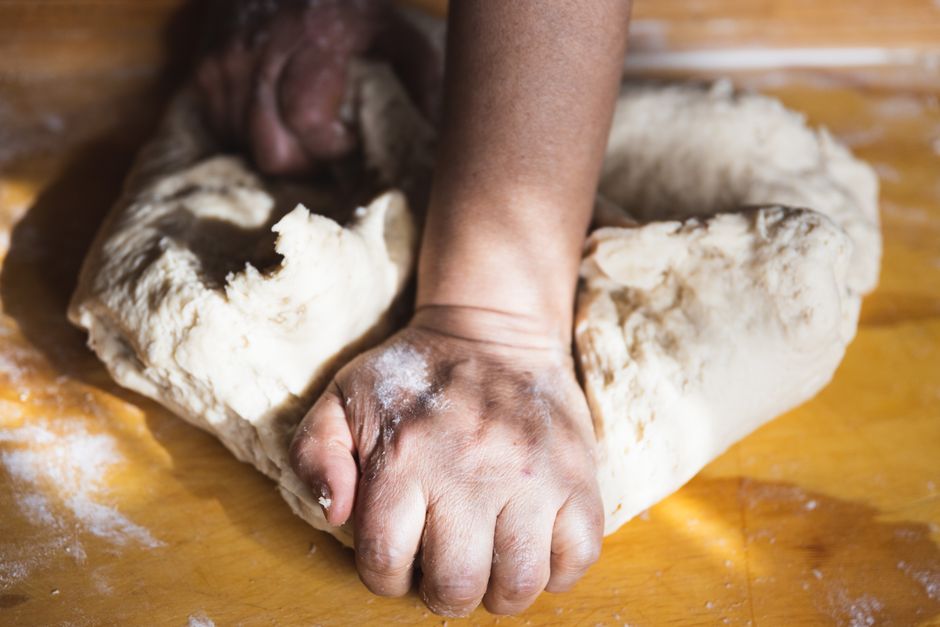
Yeast is not made from wheat, and most yeast is naturally gluten-free. Baker’s yeast, brewer’s yeast, and nutritional yeast are all single-celled fungi, not grains. However, the way yeast is grown, processed, and packaged can introduce gluten in some cases, so reading labels matters for anyone with celiac disease or gluten sensitivity.
What Is Yeast, Exactly?
Yeast is a living microorganism. It belongs to the fungus kingdom, alongside mushrooms and molds. There are hundreds of species, but the ones you encounter in food are mostly Saccharomyces cerevisiae. That species is used to make bread rise, ferment beer, and produce nutritional yeast flakes.
Wheat is a plant. It is a grass grown for its seeds, which are ground into flour. Yeast and wheat share almost nothing biologically. Yeast does not contain wheat proteins, and wheat does not contain yeast. The confusion comes from how these two ingredients are used together in baking, not from any inherent connection between them.
Is Yeast Made From Wheat Or Is It Gluten Free?
Yeast is gluten-free. The organism itself contains no gluten proteins. Gluten is a storage protein found only in certain grains: wheat, barley, rye, and their hybrids like triticale. Yeast is a fungus, so it has no gluten at all.
The real question is whether the yeast you buy has come into contact with gluten during production. Most commercial yeast sold for home baking is grown on molasses, which comes from sugar beets or sugarcane. Neither contains gluten. The yeast is then washed, dried, and packaged. In most cases, the final product is free of gluten.
That said, some yeast products are grown on barley or wheat-based media. This is more common in certain brewer’s yeasts and some specialty nutritional yeasts. Even if the yeast itself is gluten-free, the growth medium can leave trace residues. Testing determines whether the final product falls below the legal threshold for gluten-free labeling.
What Does Gluten-Free Mean on a Label?
In the United States, the Food and Drug Administration (FDA) regulates the term “gluten-free.” A food can carry that label if it contains less than 20 parts per million (ppm) of gluten. That threshold is based on evidence that most people with celiac disease can tolerate this level without intestinal damage.
When you see “gluten-free” on a package of yeast, it means the manufacturer has tested the product and confirmed it meets this standard. When you do not see that label, the yeast may still be gluten-free, but the manufacturer has not verified it. For someone with celiac disease, choosing a certified gluten-free product removes the guesswork.
Some yeast products are labeled “wheat-free” but not “gluten-free.” This distinction matters. Wheat-free means the product contains no wheat ingredients, but it could still contain barley or rye. Gluten-free means it contains none of the gluten grains. Always look for the gluten-free label, not just wheat-free.

Different Types of Yeast and Their Gluten Status
Not all yeast is handled the same way. Here is how the common types break down:
- Baker’s yeast (active dry, instant, fresh) — Grown on molasses, generally gluten-free. Most major brands are labeled gluten-free.
- Nutritional yeast — Grown on molasses or beet sugar, usually gluten-free. But some brands add barley malt for flavor. Check the label.
- Brewer’s yeast — This is the highest-risk category. Some brewer’s yeast is a byproduct of beer brewing, which involves barley. It can contain significant gluten. Other brewer’s yeast is grown specifically as a supplement and is gluten-free.
- Red yeast rice — A fermented rice product used in traditional Chinese medicine. It is gluten-free in its pure form, but some commercial products add barley or wheat. Check the label.
- Yeast extract — Used as a flavoring in soups, snacks, and sauces. It is made from yeast but may be processed with barley malt. Most commercial yeast extracts are gluten-free, but not all.
Can You Use Yeast on a Gluten-Free Diet?
Yes. Yeast is safe for a gluten-free diet as long as the specific product is confirmed gluten-free. This applies to people with celiac disease, non-celiac gluten sensitivity, and anyone avoiding gluten for other reasons.
One common misunderstanding is that gluten-free bread cannot rise. That is not true. Gluten-free flours do not form the same elastic network as wheat flour, so the dough behaves differently. But yeast still ferments and produces carbon dioxide. The bread rises; it just needs different handling, often with the addition of xanthan gum or psyllium husk to provide structure.
If you bake gluten-free bread at home, the yeast you use is the same yeast used in regular bread. It does not matter whether the yeast was in the same factory as wheat flour. What matters is whether the yeast itself is free of gluten contamination.
How to Check If Your Yeast Is Gluten-Free
Read the ingredient list first. Yeast should list only yeast as an ingredient. If you see “barley malt,” “wheat starch,” or “malt extract,” the product contains gluten or may contain it.
Look for a gluten-free certification symbol. This is stronger than a simple label because it means a third party has tested the product. Common certifications include the Gluten-Free Certification Organization (GFCO), which requires less than 10 ppm of gluten.
Contact the manufacturer if you are unsure. Most companies have customer service lines or websites that list allergen information. They can tell you whether their yeast is grown on a gluten-free medium and whether it is tested for gluten.
For brewer’s yeast specifically, look for products labeled “gluten-free brewer’s yeast.” These are grown specifically as supplements and are not derived from beer production. Avoid brewer’s yeast that does not carry a gluten-free label, because the risk of contamination is real.
What About Yeast in Fermented Foods?
Fermented foods like sourdough bread, kombucha, and certain pickles contain yeast. But the gluten status of these foods depends on the other ingredients, not the yeast itself.
Sourdough bread is made with wheat flour and therefore contains gluten, even though the fermentation process breaks down some of the gluten proteins. It is not safe for people with celiac disease. The yeast and bacteria in sourdough reduce gluten content but do not eliminate it.
Kombucha is typically gluten-free because it is made from tea and sugar. But some commercial kombucha brands add barley malt or wheat-based flavorings. Check the label if you are strictly gluten-free.
Common Myths About Yeast and Gluten
Some people believe that yeast contains gluten because it is used to make bread. This is incorrect. Yeast does not turn into gluten, and gluten does not turn into yeast. They are separate ingredients that happen to work together in baking.
Another myth is that gluten-free people should avoid all fermented foods. This is also incorrect. Fermentation does not create gluten. It can break down gluten, but it cannot produce it. A fermented food is gluten-free only if its ingredients are gluten-free.
A third myth is that nutritional yeast is always gluten-free. Most brands are, but some add barley malt for flavor. This is why reading labels matters. A product that is 99% gluten-free is still not safe if that 1% contains barley.
Frequently Asked Questions
Can people with celiac disease eat yeast?
Yes, as long as the yeast product is confirmed gluten-free. Most baker’s yeast and nutritional yeast are safe, but brewer’s yeast requires extra caution.
Is nutritional yeast made from wheat?
No, nutritional yeast is grown on molasses or beet sugar, not wheat. Some brands add barley malt for flavor, so check the label for gluten-free certification.
Is brewer’s yeast gluten-free?
Some brewer’s yeast is gluten-free, but some is a byproduct of beer brewing and contains barley gluten. Only use brewer’s yeast that is explicitly labeled gluten-free.
Does yeast contain wheat protein?
No, yeast is a fungus and contains no wheat protein. Gluten is found only in certain grains, not in yeast.
