
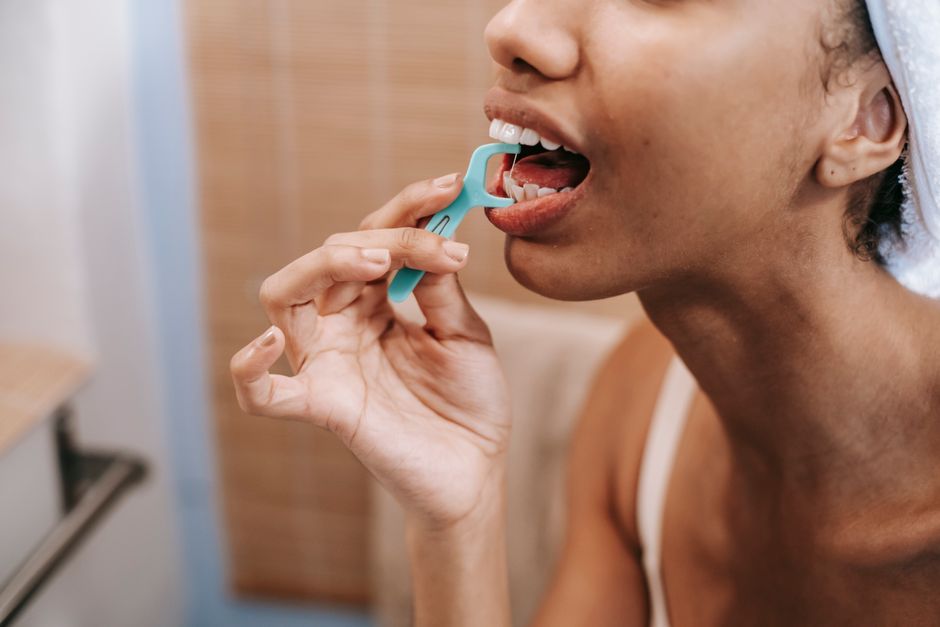
Xylitol is good for your teeth. It is a sugar alcohol that reduces cavity-causing bacteria in the mouth. Unlike sugar, xylitol does not feed the bacteria that produce acid and erode tooth enamel. Regular use of xylitol has been shown to lower the risk of tooth decay, though it does not repair damage that has already occurred.
What Is Xylitol and How Does It Work?
Xylitol is a natural sweetener found in small amounts in fruits and vegetables. It looks and tastes like sugar but has fewer calories. Your body does not process it the same way it processes regular sugar, which is why it does not spike blood glucose the way sucrose does.
The key to xylitol’s dental benefit is how oral bacteria react to it. The bacteria Streptococcus mutans is the main organism responsible for tooth decay. These bacteria consume sugars and produce acid as a waste product. That acid is what eats away at enamel and causes cavities. When xylitol is present, these bacteria cannot ferment it into acid. They take it in but cannot use it for energy, so they starve and produce less acid over time.
This effect is not just temporary. Some research suggests that consistent xylitol exposure can reduce the overall population of cavity-causing bacteria in the mouth. Fewer acid-producing bacteria means a lower risk of decay.
How Much Xylitol Do You Need for Protection?
Clinical studies have used a range of doses, but the general direction is clear. Most dental research suggests that a total of 5 to 10 grams per day, divided into several exposures, is needed to see meaningful cavity reduction. This is usually achieved through chewing gum or mints, since the sweetener needs time in contact with the teeth.
Frequency matters more than total dose. A single large amount of xylitol is less effective than smaller amounts spread across the day. This is because the bacteria in your mouth need repeated exposure to xylitol to shift their metabolism. Most dentists recommend using xylitol products three to five times per day for best results.
Chewing gum with xylitol also stimulates saliva flow, which is itself protective. Saliva washes away food particles, neutralizes acid, and delivers calcium and phosphate to the tooth surface. So the benefit comes from both the xylitol and the act of chewing.
Is Xylitol Better Than Other Sweeteners?
Xylitol is one of the few sweeteners with a demonstrated dental benefit. Regular sugar, honey, and maple syrup all feed cavity-causing bacteria. Artificial sweeteners like aspartame and sucralose do not feed bacteria, but they also do not actively reduce bacterial populations the way xylitol does.
Other sugar alcohols like sorbitol and erythritol are less effective than xylitol. Sorbitol does not provide the same antibacterial effect. Erythritol shows some promise in recent research, but xylitol has the longest track record and the most clinical evidence behind it.
One important point: products labeled “sugar-free” do not automatically contain xylitol. Many use sorbitol, maltitol, or other sweeteners that do not offer the same dental protection. Check the ingredient list. Xylitol should be listed as one of the first ingredients if it is present in a meaningful amount.

Can Xylitol Reverse Cavities?
No. Xylitol cannot reverse an existing cavity. Once enamel has been destroyed and a cavity has formed, the damage is permanent. A dentist must remove the decayed tissue and fill the area with a restorative material.
What xylitol can do is help prevent new cavities from forming and slow the progression of early demineralization. In the very early stages of decay, before a true cavity forms, the enamel can remineralize. Xylitol creates an environment that makes this possible by reducing acid and allowing saliva to repair the enamel surface. But this is prevention, not reversal of established damage.
Is Xylitol Safe for Everyone?
Xylitol is generally recognized as safe for human consumption by regulatory agencies. It is approved for use in foods, chewing gum, and oral care products. For most people, the main side effect is digestive discomfort if consumed in large amounts. Because the body does not fully absorb xylitol, high doses can cause bloating, gas, and diarrhea. This is true of most sugar alcohols.
There is one serious safety concern that every household should know about: xylitol is extremely toxic to dogs. Even a small amount can cause a rapid drop in a dog’s blood sugar, leading to seizures, liver failure, and death. If you use xylitol products at home, keep them completely out of reach of pets. This is not a theoretical risk. Veterinary emergency rooms see xylitol poisoning regularly.
For humans, xylitol is safe for adults and children. It is also considered safe during pregnancy when consumed in normal dietary amounts, but no specific clinical guidelines exist for pregnant women regarding xylitol as a therapeutic dose. If you are pregnant, discuss any supplement or high-dose use with your healthcare provider.
What Forms of Xylitol Work Best?
Chewing gum and mints are the most studied delivery methods. They keep xylitol in contact with the teeth for an extended period. The mechanical action of chewing also helps clean the teeth and stimulates saliva.
Xylitol is also available as a granulated sweetener for baking and beverages. This form works for dental protection if you use it consistently, but it is harder to control the frequency and dose. Using xylitol in coffee or tea a few times a day may provide some benefit, but it is not a substitute for dedicated xylitol gum or mints.
Xylitol toothpaste is another option. Some toothpaste brands use xylitol as a sweetener and active ingredient. The evidence for xylitol toothpaste is less robust than for gum, but it does not hurt to use it. The most important part of oral hygiene remains brushing with fluoride toothpaste twice a day. Xylitol is an addition, not a replacement.
Does Xylitol Replace Fluoride or Brushing?
No. Xylitol is a complement to standard oral care, not a substitute. Fluoride is the most effective proven agent for preventing tooth decay. It works by strengthening enamel and making it more resistant to acid attacks. Xylitol works by reducing the bacteria that produce acid. The two mechanisms are different and they work well together.
Brushing and flossing physically remove plaque and food debris. No sweetener can do that. Xylitol reduces the bacterial load, but it does not remove the sticky biofilm that forms on teeth. You still need mechanical cleaning.
Think of xylitol as an extra layer of defense. It is especially useful for people who snack frequently, have a history of cavities, or cannot brush immediately after meals. Chewing xylitol gum after eating is a practical way to reduce the acid attack that follows a meal.
Are There Any Downsides to Using Xylitol?
The main downside is cost. Xylitol is more expensive than sugar and other sweeteners. Products that actually contain meaningful amounts of xylitol tend to cost more than standard sugar-free gum.
Digestive issues are the other concern. Some people are more sensitive to sugar alcohols than others. If you are not used to xylitol, start with a small amount and increase gradually. This is not a health risk for most people, but it can be uncomfortable.
There is also the question of whether xylitol in toothpaste or mouthwash provides the same benefit as gum. The evidence is stronger for gum and mints because the chewing action and longer contact time appear to matter. If you are choosing between a xylitol gum and a xylitol rinse, the gum is likely the better investment for cavity prevention.
Frequently Asked Questions
Can you swallow xylitol?
Yes, xylitol is safe to swallow in normal dietary amounts. Large amounts can cause digestive upset like gas or diarrhea, but it is not toxic to humans.
How many times a day should you use xylitol?
Most dental research suggests using xylitol three to five times per day for cavity prevention. Each exposure should last a few minutes, which is why gum and mints work well.
Does xylitol whiten teeth?
No, xylitol does not whiten teeth. It prevents cavities by reducing acid-producing bacteria, but it has no bleaching or whitening effect on tooth enamel.
Is xylitol safe for children?
Yes, xylitol is safe for children when used in appropriate amounts. It is often recommended for children at high risk of cavities, but xylitol products should be kept away from dogs, as it is highly toxic to them.
