
Witch hazel is a popular natural remedy for skin, but the answer to whether it is good for your skin depends entirely on which type you use and what your skin needs. Distilled witch hazel containing alcohol can strip the skin’s protective barrier and cause irritation, while alcohol-free witch hazel with natural tannins may help reduce inflammation and control oil. The key is knowing the difference and choosing the right product for your skin type.
What Exactly Is Witch Hazel and How Does It Work on Skin?
Witch hazel comes from the bark and leaves of the Hamamelis virginiana plant, a shrub native to North America. The plant material is distilled with steam or alcohol to create a liquid extract. This extract contains compounds called tannins, which are natural astringents.
Tannins work by tightening proteins in the skin, which can temporarily shrink pores and reduce the appearance of oil. This is why witch hazel has been used for centuries as a topical treatment for minor cuts, insect bites, and skin irritations. The National Center for Complementary and Integrative Health notes that witch hazel has been approved by the FDA as an ingredient in over-the-counter hemorrhoidal products, confirming its recognized astringent properties.
However, the distillation process matters greatly. Most commercial witch hazel products are distilled with high concentrations of alcohol, typically around 14 percent. The alcohol itself acts as an astringent and preservative, but it can also be very drying and irritating to the skin. Alcohol-free witch hazel products exist, but they are less common and often contain fewer tannins because the extraction process is different.
Is Witch Hazel Good For Skin With Acne or Oily Skin?
For people with oily or acne-prone skin, witch hazel can seem like a perfect solution. It removes excess oil, tightens pores, and feels clean. Some studies suggest that the tannins in witch hazel have antibacterial properties that might help with acne-causing bacteria.
Research published in the Journal of Drugs in Dermatology found that a formulation containing witch hazel was effective in reducing acne lesions. But the study used a product with multiple active ingredients, not witch hazel alone. The antibacterial effects of witch hazel in a lab setting are real, but they are much weaker than standard acne treatments like benzoyl peroxide or salicylic acid.
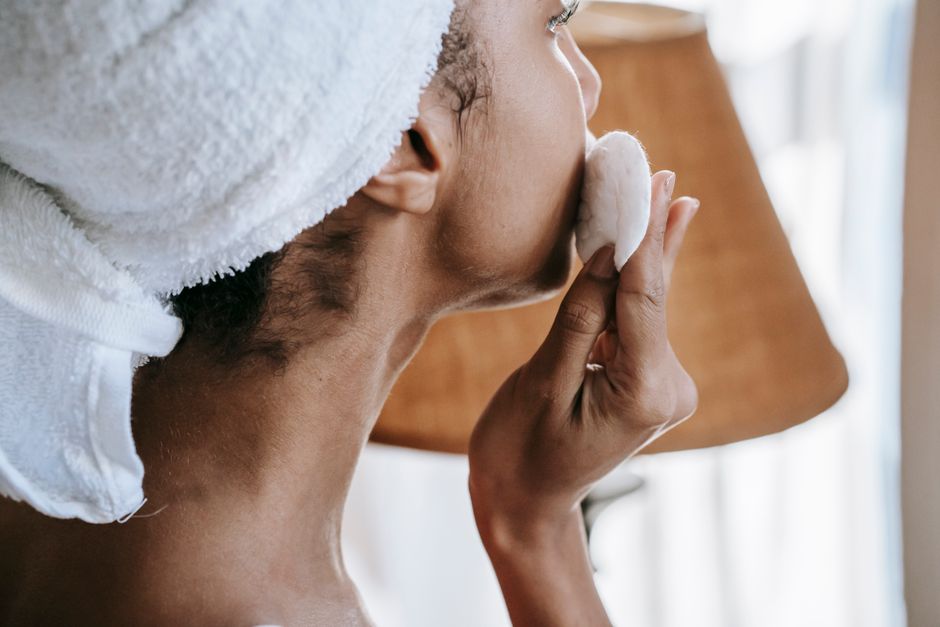
The bigger concern is that alcohol-based witch hazel can over-strip the skin. When you remove too much oil, your skin can react by producing even more oil to compensate. This creates a cycle of drying and rebound oiliness that can worsen acne over time. For occasional breakouts on oily skin, alcohol-free witch hazel applied with a cotton pad once daily may help. For chronic acne, it is not a replacement for proven treatments.
What Does Research Show About Witch Hazel for Inflammation and Redness?
Witch hazel has anti-inflammatory properties that are supported by some research. A study in the European Journal of Dermatology found that witch hazel extract reduced skin inflammation in a way similar to chamomile. Another study showed that witch hazel cream helped soothe skin after UV exposure, reducing redness and irritation.
These effects come from the tannins and other plant compounds like flavonoids and proanthocyanidins. They work by calming the immune response in the skin and reducing the release of inflammatory chemicals. This is why witch hazel is sometimes recommended for conditions like eczema, psoriasis, or razor burn.
But there is a catch. The alcohol in most witch hazel products can counteract these anti-inflammatory benefits. Alcohol irritates the skin and triggers inflammation, which defeats the purpose of using witch hazel for redness or sensitivity. If you want to use witch hazel for calming inflammation, you must choose an alcohol-free version. Even then, some people with sensitive skin find that any form of witch hazel is too strong for daily use.



What Are the Side Effects and Risks of Using Witch Hazel on Skin?
The most common side effect of witch hazel is skin irritation. This shows up as redness, stinging, dryness, or flaking. People with sensitive skin, eczema, or rosacea are most at risk. The alcohol content is the main culprit, but even the tannins can be irritating if used too often or left on the skin too long.
Overuse is a real problem. Some people apply witch hazel multiple times a day, thinking more is better. This can damage the skin barrier, which is the protective outer layer that keeps moisture in and irritants out. A damaged skin barrier leads to increased sensitivity, more breakouts, and a dull complexion.
Allergic reactions to witch hazel are rare but possible. Signs include itching, swelling, or a rash where you applied it. If you have never used witch hazel before, test it on a small area of skin like the inside of your arm before applying it to your face. Stop using it immediately if you notice any reaction.
There is also a risk of contamination. Witch hazel products that are alcohol-free and contain no preservatives can grow bacteria over time. Always check the expiration date and store the bottle in a cool, dry place. If the liquid changes color or develops a strange smell, throw it away.
How to Choose the Right Witch Hazel Product for Your Skin
Not all witch hazel products are the same. The first thing to check is the ingredient list. Look for a product that lists witch hazel extract or hamamelis water as the main ingredient and does not list alcohol, SD alcohol, or denatured alcohol anywhere in the ingredients. Many brands now sell alcohol-free witch hazel specifically for facial use.
The second thing to check is what else is in the bottle. Some witch hazel products contain added ingredients like aloe vera, glycerin, or essential oils. Aloe and glycerin can help offset the drying effects of the tannins. Essential oils can add fragrance but may also cause irritation, especially for sensitive skin.
Here is a quick comparison of common witch hazel product types:
| Product Type | Alcohol Content | Best For | Worst For |
|---|---|---|---|
| Standard drugstore witch hazel | 14% or higher | Oily skin, occasional breakouts | Dry, sensitive, or acne-prone skin |
| Alcohol-free witch hazel | 0% | Normal, combination, or inflamed skin | Very oily skin may need more |
| Witch hazel with aloe or glycerin | 0% or low | Sensitive or dry skin | Acne-prone skin may clog pores |
| Witch hazel toner with essential oils | Varies | Normal skin, fragrance lovers | Irritated or reactive skin |
If you decide to try witch hazel, start slowly. Use it once a day, preferably in the evening after cleansing. Apply it with a cotton pad or spritz it on your face like a mist. If your skin feels tight or red, reduce use to every other day or stop entirely. Pay attention to how your skin responds rather than following a strict routine.
Common Misconceptions About Witch Hazel for Skin
One widespread myth is that witch hazel shrinks pores permanently. Pores do not have muscles and cannot open or close. Witch hazel can make pores appear smaller temporarily by tightening the skin around them, but the effect lasts only a few hours. No topical product can permanently change pore size.
Another misconception is that natural witch hazel is always safe because it comes from a plant. Natural does not mean harmless. Poison ivy is natural too. The alcohol and tannins in witch hazel can cause real damage if used incorrectly. Always treat witch hazel like any other skincare active ingredient, with respect and caution.
Some people believe that witch hazel is a good substitute for sunscreen. It is not. Witch hazel has no meaningful SPF and will not protect your skin from UV damage. It may even make your skin more sensitive to the sun because of the alcohol content. Always wear a broad-spectrum sunscreen of at least SPF 30 during the day, regardless of what else you use.
There is also a belief that witch hazel can treat serious skin conditions like eczema or psoriasis on its own. While it may provide temporary relief for mild symptoms, it is not a treatment for these chronic conditions. The American Academy of Dermatology recommends seeing a board-certified dermatologist for proper diagnosis and management of eczema and psoriasis. Witch hazel can be part of a routine, but it should not replace medical care.
Frequently Asked Questions
Can I use witch hazel on my face every day?
Yes, but only if you use an alcohol-free version and your skin does not show signs of irritation like redness or dryness. Start with once daily and adjust based on how your skin feels.
Is witch hazel good for dark spots or hyperpigmentation?
There is no strong evidence that witch hazel lightens dark spots. Its anti-inflammatory effects may help prevent new spots from forming, but it will not fade existing pigmentation.
Does witch hazel help with razor burn or ingrown hairs?
Yes, alcohol-free witch hazel can soothe razor burn and reduce inflammation around ingrown hairs. Apply it after shaving with a cotton pad for best results.
Can witch hazel replace my toner?
It can if your toner’s purpose is to remove excess oil and tighten pores. But for hydration or exfoliation, witch hazel is not a replacement. Choose based on your skin’s needs.
