
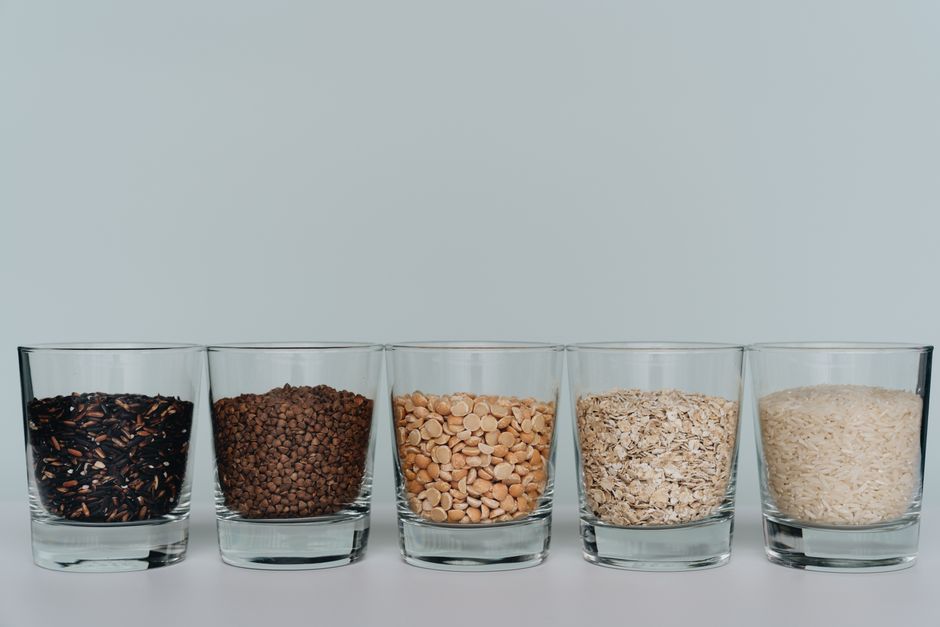
White rice can absolutely be part of a healthy diet. It is a source of easily digested carbohydrate, it is naturally free of gluten, and it is one of the most widely eaten staple foods in the world. The real answer is not yes or no — it depends on what else is on your plate, how much you eat, and whether you have a health condition that affects how your body handles carbohydrate.
What Is White Rice, Exactly?
White rice is brown rice with the bran and germ removed. That milling process strips away the outer layers, leaving mostly the starchy endosperm. This is why white rice cooks faster, tastes milder, and lasts longer on a shelf than brown rice.
The trade-off is nutrient loss. The bran and germ hold most of the fiber, B vitamins, healthy fats, and minerals. In many countries, white rice is fortified to add back some iron and B vitamins, including folic acid. In the US, most enriched white rice carries added nutrients, though not the fiber.
A cup of cooked white rice has roughly 200 calories and about 45 grams of carbohydrate, with very little fiber — around one gram. Brown rice of the same size has more fiber and slightly more vitamins and minerals. Neither is a “bad” food. They simply do different jobs in a diet.
Is White Rice Good For A Diet The Real Answer?
Yes, white rice fits into a balanced diet — but it works best as a base, not the main event. The problem with white rice is rarely the rice itself. It is what gets piled on top and what gets left off the plate.
White rice is low in fiber and digests quickly. That means it raises blood sugar faster than whole grains do. For most healthy people, that spike is normal and short-lived. Your body handles it. But if white rice makes up a large share of your calories and replaces vegetables, beans, or whole grains, the overall diet gets weaker.
The clearest evidence on rice and health comes from large population studies. Some research links high intakes of white rice to a higher risk of type 2 diabetes, particularly in Asian populations where rice is a dietary staple. The picture is less consistent in Western populations, where rice intake is lower. The evidence is mixed, and the effect — where it appears — is modest.
What matters more is the pattern. White rice eaten with vegetables, protein, and healthy fats behaves very differently in your body than a plate of plain rice eaten alone.
How Does White Rice Affect Blood Sugar?
White rice has a high glycemic index, meaning it raises blood glucose relatively quickly compared with whole grains, legumes, and most vegetables. This is well established and not in dispute.
For people without diabetes, a fast rise in blood sugar after a meal is normal physiology. Insulin responds, glucose moves into cells, and levels return to baseline. The concern is not a single spike. It is repeated high-glycemic meals eaten in isolation over years, especially in people whose bodies are already struggling to manage glucose.
If you have diabetes or prediabetes, portion size and pairing matter a lot. Eating white rice with protein, fat, or fiber slows digestion and blunts the glucose rise. Some studies suggest that cooling cooked rice and reheating it changes its starch structure, producing more resistant starch and a lower glycemic response. The effect is real but modest — it is not a substitute for portion control.
Does White Rice Cause Weight Gain?
No single food causes weight gain on its own. Weight gain comes from eating more calories than you burn over time, and white rice is calorie-dense for its volume because it contains little fiber and water compared with whole grains.
That said, rice is not uniquely fattening. In fact, rice-based diets are common in countries with historically low rates of obesity. The difference is context — those diets tend to include plenty of vegetables, legumes, and fish, and less added sugar and processed food.
White rice can actually help with portion control because it is easy to measure and pairs well with high-volume, low-calorie foods like vegetables and lean protein. A half-cup serving is a reasonable starting point for many adults, though individual calorie needs vary widely.
White Rice vs. Brown Rice: Which Is Better?
Brown rice has more fiber, more vitamins, and a lower glycemic index. On paper, it wins. In practice, the gap is smaller than the internet suggests.
Brown rice has roughly three grams of fiber per cup compared with about one gram in white rice. That difference matters over time, but it is not dramatic. The bigger issue is what you eat alongside the rice.
| Nutrient (1 cup cooked) | White Rice | Brown Rice |
|---|---|---|
| Calories | ~200 | ~215 |
| Carbohydrate | ~45 g | ~45 g |
| Fiber | ~1 g | ~3 g |
| Glycemic index | Higher | Lower |
| Vitamins/minerals | Lower (often enriched) | Higher |
Some people genuinely prefer white rice for taste, texture, or digestion. Brown rice can be harder on sensitive stomachs because of its fiber and phytic acid content. If white rice is what you will actually eat consistently with vegetables and protein, it is a better choice than brown rice you avoid.
Who Should Be Careful With White Rice?
People with diabetes or prediabetes should pay attention to portions and pairings. White rice is not off-limits, but eating large amounts alone can make blood sugar harder to manage. Working with a doctor or dietitian on portion size is reasonable.
People watching their weight may benefit from measuring portions rather than free-pouring. Rice is easy to over-serve because it compacts in a cup.
There is also a food safety consideration. Cooked rice left at room temperature can grow Bacillus cereus, a bacterium that causes vomiting and diarrhea. The spores survive cooking. Cool rice quickly and refrigerate it within two hours, and reheat it thoroughly. This is standard food safety guidance, not a reason to avoid rice.
For most healthy adults, there is no medical reason to avoid white rice. The concern is dietary pattern, not the grain itself.
How Should You Eat White Rice for Better Health?
Treat white rice as a canvas, not a meal. The way you build the plate changes how the rice affects your body and how full you feel.
- Pair rice with protein — fish, chicken, eggs, tofu, or beans — to slow digestion and support satiety.
- Fill at least half the plate with vegetables. This adds fiber, water, and volume without many calories.
- Add healthy fats like olive oil, avocado, or nuts in modest amounts.
- Keep portions moderate. A half-cup to one cup cooked is a reasonable serving for many adults, depending on calorie needs.
- Choose enriched or fortified rice where available to recover some lost vitamins.
- Vary your grains across the week. Rotating rice with oats, barley, quinoa, and whole wheat supports a more diverse nutrient intake.
A useful, non-obvious point: the order you eat food in a meal can affect blood sugar response. Some small studies suggest eating vegetables and protein before starchy foods may blunt the glucose rise. The effect is modest and the evidence is not strong enough to make it a rule, but it costs nothing to try.
The Bottom Line
White rice is not a health food, and it is not a villain. It is a staple carbohydrate that fits comfortably into most diets when eaten in reasonable portions alongside vegetables, protein, and healthy fats. People with diabetes or blood sugar concerns should be more deliberate about portions and pairings. Everyone else can enjoy it without guilt — as long as rice is not crowding out the foods that do the heavy lifting for health.
Frequently Asked Questions
Is white rice good for weight loss?
White rice can fit into a weight-loss diet if portions are controlled and it is paired with vegetables and protein. It is not a fat-burning food, and eating large amounts alone may make calorie control harder.
Is white rice bad for diabetics?
White rice is not forbidden for people with diabetes, but it raises blood sugar faster than whole grains. Smaller portions eaten with protein, fat, and fiber help soften that rise.
Is white rice healthier than brown rice?
Brown rice has more fiber and a lower glycemic index, so it is generally the more nutrient-dense choice. White rice still fits in a healthy diet, especially when enriched and eaten with balanced meals.
Can I eat white rice every day?
Yes, most healthy people can eat white rice daily as part of a varied diet. The key is keeping portions moderate and making sure rice does not replace vegetables, protein, and other whole grains.
