
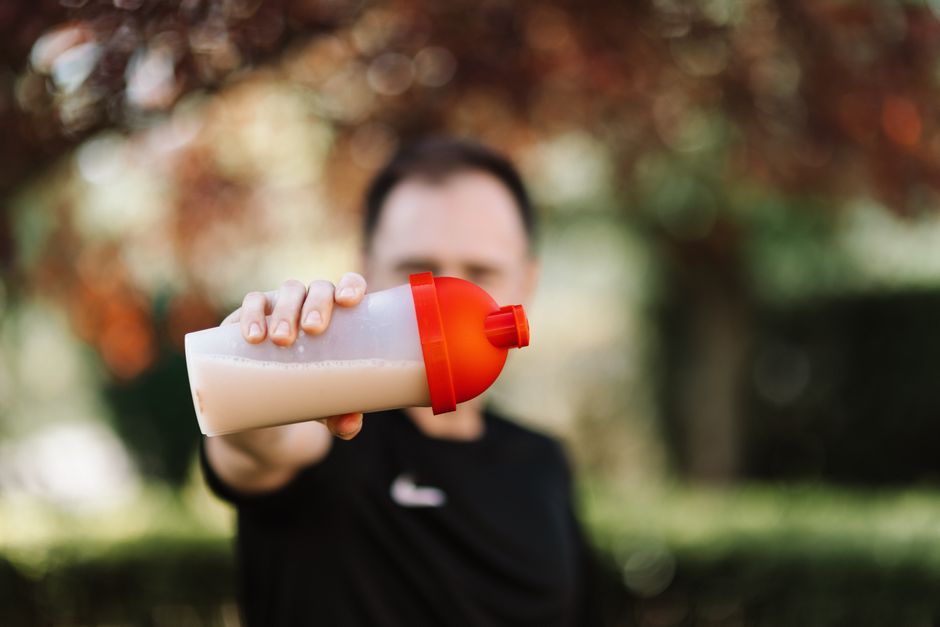
Whey protein isolate is naturally gluten free. The protein itself comes from milk, not from wheat, barley, or rye, so the raw ingredient contains no gluten. The catch is what happens after that. Flavors, thickeners, and processing aids can introduce gluten, and cross-contamination is possible in facilities that also handle wheat. So the honest answer is: the protein is gluten free, but the finished product is only gluten free if the label and the manufacturer say so.
Is Whey Protein Isolate Gluten Free What To Know About the Basics
Whey is one of two proteins found in milk. The other is casein. When milk is processed to make cheese, whey separates out as a liquid. That liquid gets filtered and dried into the powders sold as whey protein concentrate, whey protein isolate, and whey protein hydrolysate.
None of those steps involve wheat. Gluten is a protein found in wheat, barley, rye, and their crossbreeds like triticale. It is not present in milk. That means unflavored, unadulterated whey protein isolate starts out gluten free by its nature.
Isolate is the most filtered form of whey. It typically contains a higher percentage of protein by weight than concentrate, with most of the lactose and fat removed. That extra filtering matters for people who are lactose sensitive, but it does not change the gluten question. Gluten was never there to begin with.
Why Some Whey Protein Products Contain Gluten
The ingredient list is where gluten can enter. A plain whey isolate powder has one ingredient. A flavored tub might have ten. Some of those added ingredients can carry gluten.
Common places gluten hides in protein powders:
- Flavorings and flavor blends that use malt or maltodextrin derived from wheat
- Thickeners and fillers, including some modified food starches
- Cookie, brownie, or cereal pieces added for texture
- Blended “meal replacement” powders that include oat, wheat, or barley ingredients
- Processing aids and anti-caking agents from shared equipment
Maltodextrin deserves a specific note. In the US, maltodextrin is usually made from corn, but it can be made from wheat. Most highly refined wheat-based maltodextrin is processed enough that detectable gluten is removed, and many regulatory bodies treat it as gluten free. Still, some people with celiac disease report reacting to it, and some products made from wheat may not be fully refined. This is one of those areas where the science says one thing and patient experience sometimes says another.
Cross-contamination is the other route. A facility that also produces wheat-based products can transfer trace gluten through shared equipment, air, or handling. This is why third-party certification exists.
How to Tell If a Whey Protein Isolate Is Gluten Free
Read the label and look for a certification, not just a claim. “Gluten free” on a package is a regulated term in the US. Under rules set by the Food and Drug Administration, a product labeled gluten free must contain less than 20 parts per million of gluten. That threshold is the standard used by most regulatory bodies worldwide, and it is generally considered safe for people with celiac disease.
But a gluten free label does not tell you how the company verified it. For stronger assurance, look for third-party certification. These programs test products and audit facilities:
- GFCO (Gluten-Free Certification Organization), which requires testing to 10 ppm
- NSF Gluten Free certification
- CSA (Celiac Support Association) recognition
These certifications require ongoing testing, not a one-time check. That is the difference between a company that tested a batch once and a company that monitors production continuously.
If a product has no gluten free label and no certification, do not assume. Contact the manufacturer and ask directly. Ask whether the product is tested for gluten, what the test result is in parts per million, and whether it is made on shared equipment with wheat. A company that cannot answer those questions is telling you something.
Is Whey Protein Safe If You Have Celiac Disease?
If you have celiac disease, the answer depends entirely on the specific product, not on whey protein as a category. A certified gluten free whey isolate is generally considered safe. An uncertified flavored blend is a gamble.
Celiac disease is an autoimmune condition, not an allergy or a sensitivity. In people with celiac disease, even small amounts of gluten trigger an immune response that damages the lining of the small intestine. That damage happens whether or not you feel symptoms right away. This is why the 20 ppm threshold matters and why “probably fine” is not good enough.
For people with non-celiac gluten sensitivity, the picture is less clear. There is no diagnostic test for it, and researchers still debate how it works and how common it is. Some people in this group tolerate certified gluten free whey isolate without issue. Others react to other components in the powder, like lactose or sugar alcohols, and mistakenly blame gluten.
If you have celiac disease, stick with certified products. If you have a sensitivity and you are not sure, talk to your doctor before adding any supplement.
Whey Protein vs Other Protein Powders for Gluten
Not all protein powders carry the same gluten risk. Plant-based powders made from wheat, barley, or rye are obvious problems. Others are naturally gluten free but may still be processed on shared equipment.
| Protein type | Naturally gluten free? | Typical gluten risk |
|---|---|---|
| Whey protein isolate | Yes | Low, unless flavored or uncertified |
| Whey protein concentrate | Yes | Low, same caveats |
| Casein | Yes | Low |
| Pea protein | Yes | Low |
| Rice protein | Yes | Low |
| Soy protein | Yes | Low |
| Hemp protein | Yes | Low |
| Wheat protein | No | High — contains gluten |
| Barley or rye protein | No | High — contains gluten |
The pattern is consistent. Animal and legume proteins are naturally gluten free. Grain proteins from wheat, barley, and rye are not. The variable is always processing and additives, not the base protein.
Does Whey Protein Isolate Have Other Ingredients to Watch?
Gluten is not the only thing to check. If you are reading labels for gluten, you are already reading labels. A few other ingredients are worth knowing about.
Lactose. Whey isolate has most lactose removed, but not all. People with lactose intolerance often tolerate isolate better than concentrate. This is separate from gluten and separate from a milk allergy.
Sugar alcohols. Ingredients like sorbitol, maltitol, and xylitol are common in low-sugar powders. They can cause bloating and gas in some people. That discomfort is not a gluten reaction.
Artificial sweeteners. Sucralose, aspartame, and others appear in many flavored powders. They are not gluten. Some people avoid them for other reasons.
Added fibers. Inulin, chicory root, and similar fibers can cause digestive symptoms in sensitive people. Again, not gluten.
If you eliminate gluten and still feel unwell after whey protein, the cause may be something else in the tub. A plain, unflavored, certified gluten free isolate is the cleanest way to test that.
The Bottom Line on Whey Protein Isolate and Gluten
Whey protein isolate is gluten free at its source. The protein comes from milk, and milk does not contain gluten. Any gluten in a finished product comes from added ingredients, shared equipment, or both.
For most people, a certified gluten free whey isolate is a safe and convenient protein source. For people with celiac disease, certification is not optional. It is the only reliable way to know what is in the tub.
Read the label. Look for a third-party certification. When in doubt, ask the manufacturer directly. The answer to whether your whey protein is gluten free is on the package, not in the protein itself.
Frequently Asked Questions
Is whey protein isolate naturally gluten free?
Yes. Whey protein comes from milk, which does not contain gluten. Any gluten in a finished product comes from added ingredients or cross-contamination during manufacturing.
Can I drink whey protein if I have celiac disease?
Only if the product is certified gluten free by a third-party program. Uncertified or flavored blends may contain trace gluten from additives or shared equipment.
What does gluten free mean on a whey protein label?
In the US, a gluten free label means the product contains less than 20 parts per million of gluten. This is the standard threshold considered safe for people with celiac disease.
Does whey protein isolate contain lactose?
It contains very little lactose because most is removed during processing. People with lactose intolerance often tolerate isolate better than whey concentrate.
