
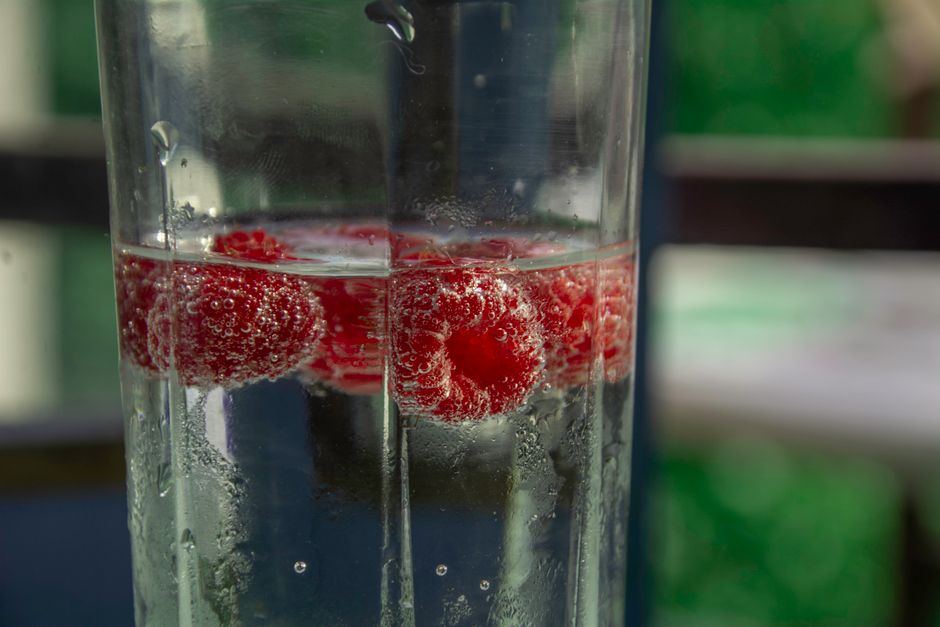
A vodka soda is one of the lowest-calorie mixed drinks you can order. A standard serving — 1.5 ounces (one shot) of 80-proof vodka topped with plain club soda — contains roughly 97 calories, and nearly all of them come from the alcohol itself. The soda adds zero. But low calorie is not the same as harmless, and there are a few caveats worth knowing before you make it your regular order.
Is Vodka Soda Low Calorie? Calories And Caveats
Yes. Compared with most cocktails, a vodka soda is genuinely light. The calorie count is almost entirely determined by how much vodka goes in the glass.
Plain club soda, seltzer, or sparkling water has no calories, no sugar, and no carbohydrates. So the drink’s entire calorie load is the vodka. Distilled spirits like vodka contain about 97 calories per 1.5-ounce shot at 80 proof. That number is well established in USDA nutritional data and is not affected by the brand, the price, or how premium the bottle is.
Here is the part people miss. The calories in vodka come from ethanol, not sugar. A shot of vodka has roughly 14 grams of alcohol and essentially zero carbohydrates. That is why vodka soda fits into low-carb and keto-style eating patterns better than drinks made with juice, syrup, or regular soda. It does not make the alcohol itself low-calorie — it just removes the sugar.
What pushes the count up is the pour. A generous bartender free-pouring a “double” turns a 97-calorie drink into a roughly 194-calorie one. Tonic water instead of club soda adds sugar. A squeeze of lime is negligible. A splash of cranberry is not.
How Many Calories Are in a Vodka Soda Compared With Other Drinks?
The gap between a vodka soda and most other mixed drinks is large. The table below shows approximate calorie counts for common drinks, based on standard recipes and USDA data for spirits.
| Drink | Approximate calories |
|---|---|
| Vodka soda (1.5 oz vodka + club soda) | ~97 |
| Vodka tonic (1.5 oz vodka + tonic) | ~140 |
| Glass of wine (5 oz) | ~120–130 |
| Regular beer (12 oz) | ~150 |
| Rum and Coke (1.5 oz + regular cola) | ~180 |
| Margarita (standard recipe) | ~250 or more |
| Piña colada | ~350 or more |
These are estimates. Bar pours vary widely, and recipe differences can swing the numbers by a lot. The margarita and piña colada figures in particular depend heavily on the recipe and glass size.
The takeaway is that the mixer is where most cocktail calories live. Swap a sugary mixer for soda and you remove the largest variable. The alcohol stays exactly the same.
Why Does the Alcohol Content Matter More Than the Mixer?
Because calories in a drink track alcohol content almost line for line. Ethanol carries about 7 calories per gram. Only fat is more calorie-dense per gram. That is why a spirit’s proof matters as much as its volume.
Vodka is typically sold at 80 proof, which is 40% alcohol by volume. Some brands are 100 proof (50% alcohol), and those carry more calories per shot. Flavored vodkas vary — some add sugar, some do not — so the calorie count is not guaranteed to match plain vodka. If you are tracking closely, check the label rather than assuming.
There is a second reason alcohol content matters, and it has nothing to do with calories. Alcohol is metabolized differently from food. The body prioritizes breaking it down, which is one reason drinking affects appetite, sleep, and judgment in ways a sugary soda does not. A low-calorie drink is still an alcoholic drink. The calorie count tells you about energy, not about how the alcohol affects your body.
Does a Low-Calorie Drink Mean You Can Drink More?
No. This is the central caveat, and it deserves to be stated plainly. Lower calories do not lower alcohol content, and they do not reduce the health risks of drinking.
Federal dietary guidance in the United States defines moderate drinking as up to one drink per day for women and up to two drinks per day for men. A vodka soda counts as one drink if it contains 1.5 ounces of 80-proof vodka. That definition is about alcohol, not calories. A light drink with a heavy pour can easily count as two drinks.
The health picture around alcohol has shifted in recent years. Research has found associations between alcohol consumption and increased risk of several cancers, including breast, liver, and colorectal cancer. Some earlier claims that light drinking was protective for the heart have been questioned by more rigorous analyses. The honest position is that no level of drinking has been established as risk-free, and the evidence on any heart benefit is mixed at best.
None of this means an occasional vodka soda is dangerous for a healthy adult. It means the drink is not a health beverage, and the low calorie count should not be read as permission to drink more often or in larger amounts.
What Are the Hidden Calorie Traps in a Vodka Soda?
The traps are almost always in what gets added. A plain vodka soda is simple. A drink that looks similar can carry several times the calories.
- Tonic instead of soda. Tonic water contains sugar — often around 10 grams per serving. This is the most common swap and the biggest calorie jump.
- Flavored or sweetened soda. Some bars use lemon-lime soda or sweetened sparkling water. Ask for plain club soda or seltzer.
- A heavy pour. A double or a free-poured drink can double the calories without looking any different.
- Added juices and syrups. Cranberry, grapefruit, or simple syrup turn a light drink into a sugary one.
- Multiple drinks. Two vodka sodas are roughly 194 calories. Four are close to 400 — before any food.
A useful habit is to ask for the vodka measured, or to order a single and a separate soda. It keeps the pour honest.
Is Vodka Soda a Good Choice If You Are Watching Your Weight?
It is a reasonable lower-calorie option among alcoholic drinks, but it is not a weight-management tool. That distinction matters.
Alcohol calories are easy to overlook because they do not fill you up the way food does. Drinking can also increase appetite and lower restraint around food, which is where a lot of the real calorie impact shows up. A 97-calorie drink can lead to a much larger food decision later in the evening.
If you are watching your weight, the honest framing is this: a vodka soda is one of the lighter choices you can make at a bar, and choosing it over a sugary cocktail is a real reduction. But it still counts toward your daily intake, and it still carries the risks of alcohol. It is a better drink, not a free one.
For anyone who does not drink, there is no health reason to start. Sparkling water with lime delivers the same ritual with none of the alcohol.
Frequently Asked Questions
How many calories are in a vodka soda?
A standard vodka soda with 1.5 ounces of 80-proof vodka and plain club soda has about 97 calories. Nearly all of those calories come from the alcohol, since club soda has none.
Is vodka soda healthier than wine or beer?
It is lower in calories than a typical glass of wine or regular beer, but “healthier” is a stretch. All alcoholic drinks carry similar alcohol-related risks, and the calorie difference does not change that.
Does vodka soda have carbs or sugar?
Plain vodka soda has essentially zero carbs and zero sugar. The carbs and sugar only appear if you use tonic water, juice, or a sweetened mixer instead of plain club soda.
Can I drink vodka soda on a low-carb diet?
Yes, a plain vodka soda fits low-carb patterns because it contains almost no carbohydrates. It is still alcohol, so it counts toward any limits your diet or doctor has set for drinking.
