
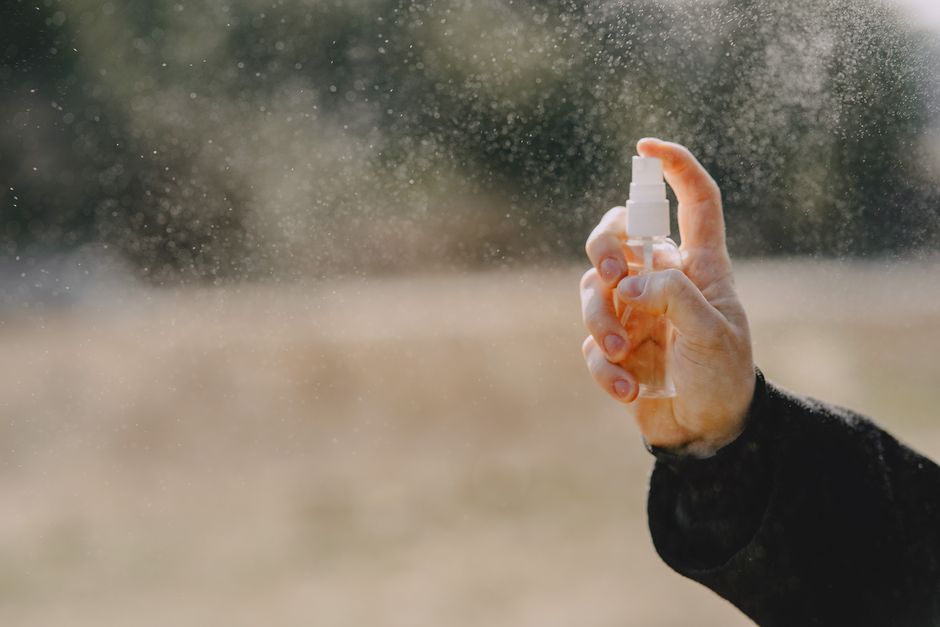
Vinegar is not a disinfectant in any sense that matters for infection control. It can slow or kill some microbes on a clean surface under lab conditions, but it does not meet the standard for disinfection, and it cannot be relied on to inactivate many of the germs that cause serious illness. Calling it a disinfectant overstates what the evidence shows.
Is Vinegar A Disinfectant?
No. A disinfectant is a product that kills most disease-causing organisms on a surface or object, and vinegar does not reliably do that.
Household white vinegar is a weak solution of acetic acid, typically around 5 percent in the bottle. Acetic acid does have antimicrobial activity. In laboratory tests, it can reduce populations of some bacteria and fungi. But lab results and real-world disinfection are different things.
The gap is not small. Disinfection means killing the vast majority of pathogens on a surface within a defined contact time. Vinegar has not been shown to meet that bar across a broad range of organisms, and it fails against some of the most dangerous ones. That is why vinegar does not appear on lists of registered disinfectants from public health agencies.
There is a useful distinction here. A cleaner removes dirt, grease, and grime. A sanitizer reduces bacteria to levels considered safe by public health standards. A disinfectant kills nearly all recognized pathogens on a surface. Vinegar is a decent cleaner. It is not a sanitizer or a disinfectant.
What Can Vinegar Actually Kill?
Vinegar has demonstrated activity against some organisms, mostly in controlled lab settings rather than on dirty kitchen counters.
Research has found that acetic acid can reduce certain foodborne bacteria, including some strains of Salmonella and E. coli, when applied directly in a laboratory setting. Some studies suggest it can affect the growth of certain molds and yeasts. These findings are real, but they come with conditions that rarely match everyday use.
The catch is contact time, concentration, and cleanliness. Lab tests often use higher acid concentrations, longer exposure, and clean surfaces. A quick wipe of a crumb-covered counter with diluted vinegar does not reproduce those conditions. Organic matter like food residue can shield microbes and blunt the acid’s effect.
Acetic acid works partly by lowering pH and disrupting microbial cells. That mechanism is genuine. But it is also why vinegar struggles against hardy organisms — many are well equipped to survive acidic environments.
What Does Vinegar Fail to Kill?
Vinegar is not effective against several pathogens that matter most for home and food safety.
One clear example is Clostridioides difficile, a bacterium that causes serious intestinal illness and forms hardy spores. Spores are extremely resistant to acids and many common cleaners. Vinegar does not reliably inactivate them. The same resistance applies to other spore-forming organisms.
Norovirus, a leading cause of stomach illness, is another concern. It is a tough virus that survives many common cleaning agents, and vinegar is not a recommended defense against it. Public health guidance points to other products for norovirus outbreaks.
Some harmful bacteria, including certain strains of Staphylococcus aureus and Listeria, are not consistently eliminated by vinegar at household concentrations. The evidence does not support treating vinegar as a broad-spectrum antimicrobial.
Why Do People Think Vinegar Disinfects?
The belief is understandable. Vinegar has a sharp smell that feels like it is doing something, and it has a long history in home cleaning.
It also genuinely works as a cleaner. Acetic acid dissolves mineral deposits, cuts through some greasy films, and helps remove odors. A surface that looks and smells clean feels disinfected, even when it is not. That perception gap is the heart of the confusion.
Old folk wisdom and social media posts repeat the idea that vinegar kills germs. Some of it traces back to real lab findings that get repeated without the caveats about concentration, contact time, and the specific organisms tested. A finding about one bacterium in a dish becomes a general claim about all germs on a counter.
There is a practical point worth knowing: vinegar is often more useful as a cleaner than as a germ-killer. If your goal is removing soap scum, hard water stains, or light grease, it earns its place. If your goal is killing pathogens, it does not.
Can Vinegar Be Used With Other Cleaners?
Vinegar should not be mixed with certain cleaning products, and one combination is genuinely hazardous.
Do not mix vinegar with bleach. The acid in vinegar reacts with bleach to release chlorine gas, which is a serious respiratory hazard. This is not a mild caution — it can cause coughing, breathing difficulty, and harm in enclosed spaces.
Vinegar also reacts with some other products. Mixing it with hydrogen peroxide creates peracetic acid, which is more corrosive than either ingredient alone and is not something to make at home. Combining vinegar with baking soda produces fizzing and a mild cleaning paste, but the two largely cancel each other out chemically, so the germ-killing effect is not enhanced.
Some surfaces are also damaged by vinegar. The acid can dull and etch natural stone such as marble, limestone, and travertine. It can corrode certain metals over time. These are reasons to keep vinegar in its lane as a mild cleaner for appropriate surfaces.
What Should You Use to Disinfect Instead?
For actual disinfection, public health agencies recommend products formulated and registered for that purpose.
Common effective options include diluted household bleach, alcohol-based products at appropriate concentrations, and EPA-registered disinfectants. Each has its own instructions for contact time and safe use, and following the label matters. A disinfectant needs to stay wet on the surface for the time specified on the label to work as intended.
For many everyday situations, plain soap and water do more than people realize. Scrubbing with soap physically lifts and removes germs along with dirt. For hands, washing with soap and water for about 20 seconds is one of the most effective steps available. For food-contact surfaces, cleaning first and then disinfecting is the standard approach.
If you want a simple rule: clean with soap and water, then disinfect with an appropriate product when the situation calls for it — after handling raw meat, during illness in the household, or when a surface has been contaminated with bodily fluids. Vinegar can be part of the cleaning step but should not be counted as the disinfection step.
When Does Vinegar Make Sense to Use?
Vinegar is a reasonable household cleaner for light jobs, and using it well means understanding its limits.
- Removing hard water and mineral deposits on glass, faucets, and kettles
- Cleaning greasy films on some stovetops and range hoods
- Freshening a washing machine or deodorizing certain surfaces
- Wiping down non-porous surfaces when you are cleaning, not disinfecting
It is not the right tool for high-risk situations. If someone in the home is ill with a stomach bug, if you are preparing food for an immunocompromised person, or if a surface has been in contact with raw meat juices, use a proper disinfectant. The stakes are higher than a clean-looking counter.
One more clarification worth keeping in mind: a product being natural does not make it effective against germs, and it does not make it safe in every combination. Vinegar is both natural and genuinely useful for some tasks. It is simply not a disinfectant, and no amount of home tradition changes what the evidence shows.
Frequently Asked Questions
Does vinegar kill bacteria?
Vinegar can reduce some bacteria in laboratory conditions, but it does not reliably kill the broad range of germs a disinfectant must eliminate. It is not considered an effective disinfectant for household use.
Is vinegar as good as bleach for disinfecting?
No. Bleach is a registered disinfectant that kills a wide range of pathogens when used correctly, while vinegar does not meet that standard. Never mix the two, because the combination releases harmful chlorine gas.
Can I use vinegar to disinfect cutting boards?
Vinegar is not a reliable way to disinfect a cutting board, especially after raw meat. Wash it with soap and water and use an appropriate disinfectant or follow safe food-handling guidance.
Does vinegar kill mold?
Some studies suggest vinegar can affect certain molds on hard surfaces, but the evidence is limited and results vary by mold type and surface. For significant mold growth, proper removal and addressing moisture are more important than vinegar.
