
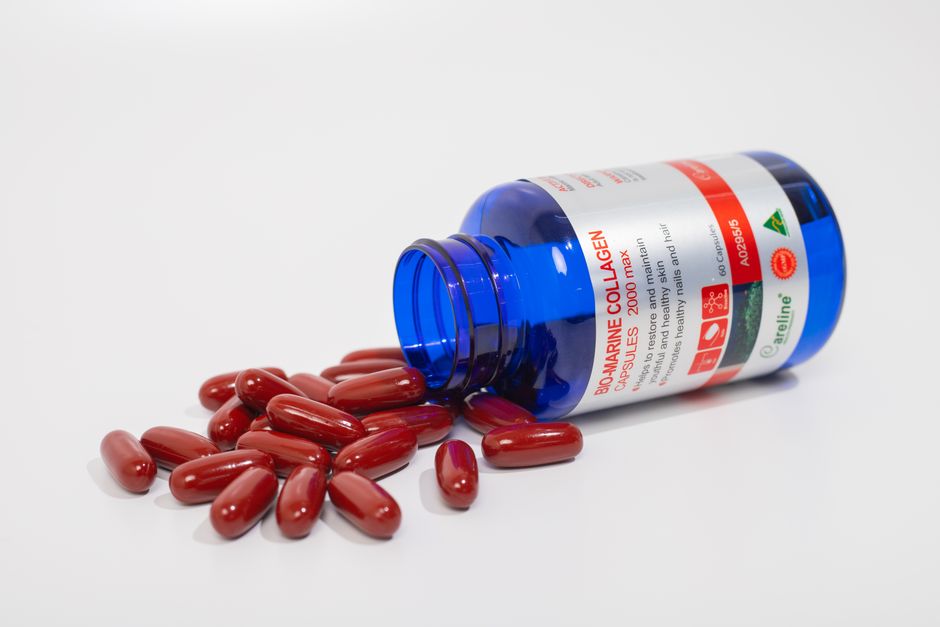
Collagen supplements are everywhere, and the choices can feel overwhelming. Verisol is a specific branded collagen peptide that gets a lot of attention, but is it actually better than the standard, unlabeled collagen you see on store shelves? The short answer is that Verisol has more published human research behind it for specific skin benefits, but that does not automatically make it superior for every person or every goal. The difference comes down to the type of collagen, the research backing, and what you are actually hoping to achieve.
What Is Verisol Collagen?
Verisol is a patented form of bioactive collagen peptides. It is made from porcine (pig) collagen that has been broken down into very small peptides through a specific enzymatic process. The manufacturer, a German company called GELITA, designed this specific peptide profile so the body can absorb it efficiently.
The key point is that Verisol is not a different type of collagen like Type I versus Type II. It is still primarily Type I collagen, which is the most abundant type in your skin, bones, and tendons. What makes it distinct is the specific peptide fragments and the fact that it has been studied in clinical trials for skin aging.
Regular collagen supplements, often labeled as “hydrolyzed collagen” or “collagen peptides,” are also broken down into smaller pieces for absorption. However, the peptide profile is not standardized the way it is with a patented product like Verisol. This can mean more variation between brands and batches.
What Does the Research Actually Show?
The main reason Verisol gets singled out is the body of research attached to it. Several studies have looked at Verisol specifically for skin elasticity, skin hydration, and wrinkle depth. Some of these studies were randomized, placebo-controlled trials, which is the gold standard for clinical evidence.
Research published in peer-reviewed journals has reported improvements in skin elasticity and wrinkle formation in women taking Verisol daily over a period of 8 to 12 weeks. Some studies also found positive effects on nail growth and reduced nail breakage.
However, you need to be careful about what this means. These studies were often funded by the manufacturer, and the effect sizes were modest. The improvements were measurable, but they were not dramatic transformations. No one lost all their wrinkles or reversed a decade of sun damage.
For regular, non-branded collagen, the research is more mixed. Some studies show benefits for skin, joint pain, and muscle mass, but the products used in those studies are not always identical to what you buy in a jar. The lack of standardization is a real limitation.
Is Verisol Collagen Better Than Regular Collagen?
If your specific goal is improving skin elasticity and reducing visible wrinkles, Verisol has more targeted evidence than most generic collagen products. That is a fair statement based on the available research.
But “better” depends on your goal. If you are taking collagen for joint health, Verisol is not the product most studied for that purpose. Other collagen products, often Type II collagen or specific joint-focused peptides, have their own research base. Verisol’s evidence is mostly about skin and nails, not knees or shoulders.
If you are taking collagen for general health, muscle recovery, or bone density, a high-quality regular collagen peptide may be perfectly adequate. The extra cost of Verisol may not buy you any additional benefit for those outcomes.
There is also the question of cost. Verisol is a patented ingredient, so products containing it are typically more expensive than generic collagen. You are paying for the research and the branding, not necessarily a dramatically superior product.





How Does Collagen Actually Work in the Body?
To understand the difference, you need to know how collagen supplements work at all. When you swallow collagen peptides, your digestive system breaks them down further into amino acids and small peptides. These are absorbed into your bloodstream.
Some research suggests that specific peptides can accumulate in the skin and signal cells called fibroblasts to produce new collagen. This is called the “bioactive peptide” theory. It is not just about providing building blocks. It is about sending a signal to your body to make more of its own collagen.
Verisol was designed to have a specific peptide profile that may trigger this signaling more effectively than a random mix of collagen peptides. That is the biological rationale for why it might work better for skin.
However, the body is complex. Your natural collagen production declines with age, starting in your mid-20s and accelerating after menopause in women. No supplement stops that entirely. Collagen supplements can support the process, but they do not override genetics, sun exposure, smoking, or poor diet.
What About Absorption and Bioavailability?
Both Verisol and regular hydrolyzed collagen are well absorbed. The body absorbs most collagen peptides efficiently because they are already broken down into small pieces. The idea that Verisol is absorbed better than all other collagen is not strongly supported.
What may differ is the specific peptide sequences that reach the skin. Some research indicates that certain proline-hydroxyproline peptides, which are found in collagen, are more resistant to further breakdown and can circulate in the blood for longer. Verisol may contain higher amounts of these specific peptides, but the evidence comparing it directly to other collagen brands in humans is limited.
There are no large head-to-head trials that prove Verisol is absorbed better than a high-quality generic collagen peptide. What exists is research showing Verisol itself has effects, not that it is superior to all competitors.
What Should You Look for in a Collagen Supplement?
If you decide to take collagen, the specific brand matters less than the quality and the evidence behind the product. Look for hydrolyzed collagen or collagen peptides, which are the most absorbable forms. Avoid products that do not specify the type of collagen or the source.
Check for third-party testing. Supplements are not strictly regulated by the FDA before they go to market. Independent testing from organizations like NSF International or USP can give you more confidence that the product contains what the label claims.
Consider the dose. Most clinical trials use between 2.5 grams and 10 grams of collagen peptides daily. Verisol studies often used 2.5 grams per day. If a product does not tell you how much collagen is in each serving, that is a red flag.
Be realistic about timelines. Collagen supplements are not fast-acting. Studies typically show effects after 8 to 12 weeks of daily use. If you stop taking it, any benefits are likely to fade because your body returns to its natural production levels.
Are There Any Risks or Side Effects?
Collagen supplements are generally considered safe for most healthy adults. The most common side effects are mild digestive issues like bloating, fullness, or an unpleasant taste. These usually resolve on their own or with a lower dose.
If you have a pork allergy, you need to check the source of the collagen. Verisol is porcine, but many collagen products are bovine (cow) or marine (fish). Choose a source that is safe for you.
People with kidney disease should talk to their doctor before taking collagen supplements. Collagen is a protein, and high protein intake can be a concern for compromised kidneys. This is not a reason to avoid collagen if you are healthy, but it is a legitimate caution.
Pregnant and breastfeeding women should also consult their healthcare provider. There is no strong evidence of harm, but there is also no solid evidence of safety in these populations. The conservative approach is to ask your doctor first.
What Are the Alternatives to Collagen Supplements?
Collagen supplements are not the only way to support your skin and connective tissue. Your body makes collagen from amino acids, and it needs vitamin C, copper, and zinc to do so. Eating a diet rich in protein, fruits, and vegetables provides these building blocks naturally.
Bone broth is a popular source of collagen, but the actual collagen content is highly variable. You would need to drink a lot of it to match the dose in a supplement. It is a healthy food, but not a reliable or concentrated source of collagen peptides.
Vitamin C is essential for collagen synthesis. Some research suggests that taking vitamin C alongside collagen may improve its effectiveness. You can get vitamin C from citrus fruits, bell peppers, and broccoli, or take it as a supplement.
Topical skincare with retinoids, vitamin C, and sunscreen remains the most evidence-based approach for improving skin appearance. No supplement, including Verisol, replaces sun protection. UV damage is the single largest contributor to premature skin aging.
Should You Spend More on Verisol?
That decision comes down to your budget and your specific goal. If skin elasticity and wrinkles are your primary concern, the research on Verisol is more substantial than for most generic collagen products. The evidence is not overwhelming, but it is real.
If you are taking collagen for general health, joints, or muscle recovery, there is no strong reason to choose Verisol over a quality generic collagen peptide. You would likely be paying a premium for a skin-specific ingredient that does not have the same evidence for other outcomes.
The honest position is that Verisol is a well-studied ingredient, but it is not a miracle. It is one option among many, and the differences between products are often smaller than marketing suggests. Your overall diet, lifestyle, and sun protection habits matter far more than which brand of collagen you choose.
If you do decide to try Verisol, choose a product that clearly states it contains Verisol and lists the dose. Give it at least 8 to 12 weeks of consistent daily use before judging whether it works for you.
Frequently Asked Questions
Is Verisol collagen worth the extra cost?
Verisol has more published research for skin elasticity and wrinkles than most generic collagen products, so it may be worth the cost if skin appearance is your main goal. For general health or joint support, a quality regular collagen peptide is likely just as effective.
How long does it take for Verisol collagen to work?
Studies typically show measurable improvements in skin elasticity after 8 to 12 weeks of daily use. Results vary by individual, and benefits fade if you stop taking it.
Can I take Verisol collagen with other supplements?
Yes, Verisol can be taken alongside most other supplements, including vitamin C, which may support collagen synthesis. If you take prescription medications or have a medical condition, check with your doctor first.
Is Verisol collagen safe for everyone?
Collagen supplements are generally safe for healthy adults, but Verisol is made from pork, so it is not suitable for people with a pork allergy. Pregnant women, people with kidney disease, and those with dietary restrictions should consult a healthcare provider before use.
