
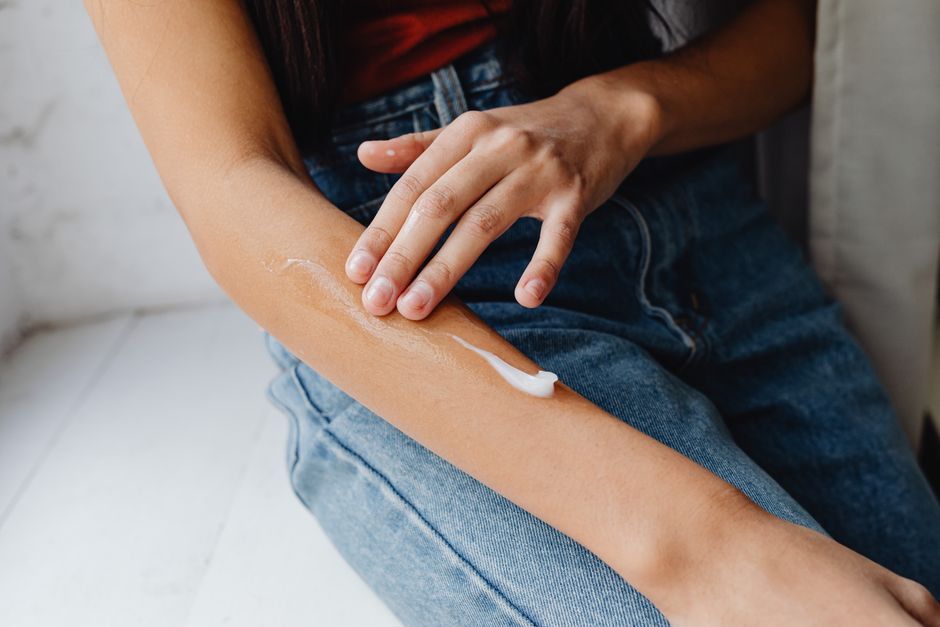
Vaseline is a brand name for petroleum jelly, a semi-solid mixture of hydrocarbons refined from petroleum. It is not a single chemical but a blend of mineral oils and waxes that forms a translucent, odorless gel. The purified grade used in skin products is refined enough to meet pharmacopeia standards for cosmetic and medical use.
People use it for dry skin, minor cuts, and barrier protection. Its main job is to sit on the skin surface and slow water loss. It is not absorbed like a lotion and does not add water to the skin. It traps what is already there.
Is Vaseline Petroleum Jelly?
Yes. Vaseline is petroleum jelly, and petroleum jelly is the generic name for the product. The two terms describe the same material. Vaseline is simply the most recognized brand.
Petroleum jelly is made by refining petroleum. The crude material goes through a process that removes most of the impurities, leaving a thick, clear-to-white gel. Cosmetic and medical grades are refined further than industrial grades. White petroleum jelly, the kind sold for skin, meets stricter purity standards than the yellow version used in machinery.
The product has been sold since the 1870s. Its basic chemistry has not changed much. That longevity is one reason people trust it, though long use is not the same as proof of benefit for every claim made about it.
What Does Petroleum Jelly Actually Do to Skin?
Petroleum jelly works as an occlusive. It forms a thin film on the skin that reduces water loss through the surface. That is its core function, and it is well established.
Skin loses water constantly through a process called transepidermal water loss. When the outer layer is damaged or dry, that loss increases. An occlusive layer slows it down. Petroleum jelly is one of the most effective occlusives available, which is why it appears in wound care and dermatology.
What it does not do matters too. It is not a humectant, meaning it does not pull water into the skin the way glycerin or hyaluronic acid can. It does not contain active ingredients that repair skin on their own. Its value is in trapping moisture and blocking irritants, not in feeding the skin.
A non-obvious point: applying petroleum jelly to damp skin after a shower works better than applying it to dry skin. The water already on the skin gets sealed in. On dry skin, there is less to trap.
Is Vaseline Safe to Put on Your Face?
For most people, petroleum jelly is safe on the face. It is non-comedogenic in the sense that it does not clog pores the way some heavy oils can, because its molecules are too large to enter the pore. This surprises people who assume a thick grease must cause breakouts.
The evidence on acne is more mixed than the marketing suggests. Some people with oily or acne-prone skin find it too heavy and prefer lighter moisturizers. Others use it as a night treatment without problems. Individual response varies, and there is no strong trial evidence that petroleum jelly clears or worsens acne across the board.
It is a reasonable choice for very dry facial skin, especially in winter or after harsh cleansers. Apply a thin layer. A little goes a long way, and a thick coating can feel greasy and trap sweat.
Can You Use Petroleum Jelly on Cuts and Burns?
Petroleum jelly is widely used on minor cuts, scrapes, and superficial burns. Keeping a wound moist supports healing, and petroleum jelly is one way to do that. Some clinicians recommend it for small wounds after cleaning.
The important caveat is the word minor. For deep wounds, infected wounds, or serious burns, petroleum jelly is not a treatment. Those need medical care. Do not seal a wound that looks infected or is oozing pus.
There is a common belief that wounds need to dry out and form a scab to heal. That is outdated. A moist wound environment generally heals better and with less scarring than a dry one, which is part of why occlusive dressings are used in clinical care. Petroleum jelly fits that principle for small injuries.
For burns, cool the area with running water first, then protect it. Do not apply petroleum jelly to a burn that blisters badly or covers a large area. Seek care for anything beyond a small superficial burn.
What Are the Risks and Limitations?
Petroleum jelly is generally well tolerated. Allergic reactions are uncommon. The main risks come from misuse, not the product itself.
It is flammable when soaked into fabric. Clothing or bedding with petroleum jelly on it can catch fire more easily, and this is a real safety concern around open flames and smoking. Keep it away from heat sources.
It should not be used as a lubricant with latex condoms. Oil-based products weaken latex and increase the chance of breakage. This is a well-documented safety issue.
It is not a sunscreen. It offers no meaningful protection from ultraviolet light. Do not rely on it for sun protection.
For people with very oily skin or active acne, it can feel occlusive and heavy. It is not the right product for everyone, and personal tolerance matters.
How Does Petroleum Jelly Compare to Other Moisturizers?
Petroleum jelly sits at one end of the moisturizer spectrum. It is a strong occlusive with almost no water content and no added ingredients. Lotions and creams combine water, humectants, and oils, which makes them lighter and easier to spread.
| Product type | Main function | Best for |
|---|---|---|
| Petroleum jelly | Seals in water, blocks irritants | Very dry skin, minor wound protection |
| Lotion | Adds water, light moisture | Daily use, normal skin |
| Cream | Balances water and oil | Dry skin, moderate needs |
| Humectant serums | Draws water into skin | Layering under an occlusive |
The comparison is not about which is best. It is about matching the product to the need. A person with normal skin may not need petroleum jelly at all. A person with cracked heels or very dry hands may find it more effective than a lotion.
Some people layer products. A humectant first, then petroleum jelly on top to seal it in. That approach makes physiological sense, though it is more about moisture retention than any special synergy.
Does Petroleum Jelly Have Any Proven Medical Uses?
Beyond skin care, petroleum jelly has a few established medical roles. It is used as a barrier to protect skin from moisture and irritation, such as in diaper rash prevention and around stomas in some clinical settings.
It is also used in some medical procedures as a lubricant and protective coating. These uses are supported by clinical practice, though not every one has been tested in large trials.
It is not a treatment for skin infections, eczema flares, or psoriasis on its own. It can soothe and protect, but it does not address the underlying inflammation. For those conditions, it may be part of a routine alongside treatments a clinician recommends.
Claims that petroleum jelly heals scars, removes dark spots, or regrows hair are not supported by strong evidence. Some people report softer skin, which fits its moisturizing role, but specific cosmetic claims often outrun the data.
Is There a Difference Between Brand and Generic Petroleum Jelly?
Generic petroleum jelly that meets the same purity standards should perform similarly to the brand. The key is the grade, not the label. Look for white petroleum jelly intended for skin use.
Cheaper industrial grades are not meant for skin. They may contain more impurities. For skin and wound use, choose a product labeled for cosmetic or medical use.
Some products add fragrance or other ingredients. Plain petroleum jelly is the most predictable choice for sensitive skin, since added ingredients can irritate.
Frequently Asked Questions
Is Vaseline the same as petroleum jelly?
Yes. Vaseline is a brand of petroleum jelly, and the terms refer to the same product. Generic versions that meet the same purity standards work the same way.
Can I put Vaseline on my face every night?
Many people do, and it is generally safe for most skin types. If you have oily or acne-prone skin, try a thin layer first and see how your skin responds.
Does Vaseline help heal cuts faster?
Keeping a minor wound moist can support healing, and petroleum jelly is one way to do that. It is not a treatment for deep, infected, or serious wounds, which need medical care.
Can Vaseline cause breakouts?
Its molecules are too large to enter pores, so it does not clog pores the way some oils can. Some people with oily skin still find it too heavy, so response varies.
