
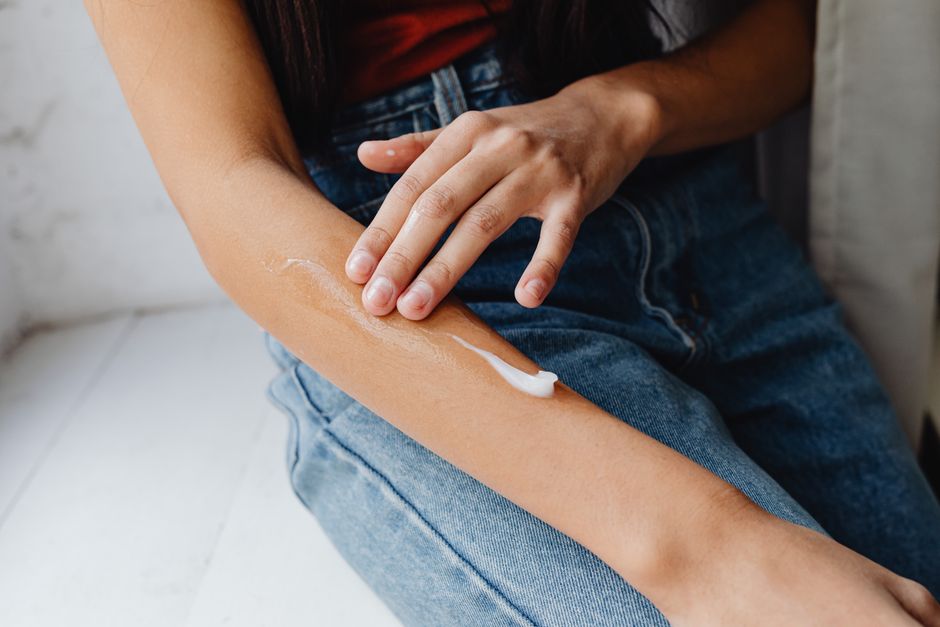
Vaseline — plain petroleum jelly — is one of the most reliable moisturizers you can put on eczema-prone skin. It seals in water, has a short ingredient list, and rarely causes allergic reactions. Dermatologists have recommended it for decades for dry, irritated skin, including eczema.
But “good for eczema” needs a clear definition. Vaseline helps repair the skin barrier and reduce water loss. It does not treat inflammation, relieve itching, or clear a flare on its own. It works best as part of a routine, not as a standalone fix.
What Does Vaseline Actually Do to Eczema Skin?
Vaseline is an occlusive moisturizer. It sits on the surface of the skin and forms a physical barrier that slows water from escaping.
Eczema — atopic dermatitis is the most common form — involves a damaged skin barrier. The outer layer of skin does not hold moisture well and lets irritants in more easily. This leads to dryness, cracking, and inflammation. An occlusive like petroleum jelly addresses the water-loss part of that problem directly.
Research published in the journal Dermatitis and other dermatology sources describes petrolatum as one of the most effective occlusives available. It reduces transepidermal water loss — the medical term for water evaporating through the skin — more than most lotions and creams.
Here is a useful distinction. Vaseline is not a humectant. Humectants like glycerin pull water into the skin. Vaseline does not add water. It traps water that is already there. That is why it works best applied to slightly damp skin, right after a bath or shower.
Is Vaseline Good For Eczema Flares or Just Maintenance?
Vaseline is better suited to daily maintenance and barrier support than to calming an active, inflamed flare. During a flare, the skin is inflamed and often itchy. Vaseline can soothe dryness and protect cracked skin, but it does not reduce inflammation.
For active flares, established clinical guidance points to topical corticosteroids or other anti-inflammatory treatments prescribed or recommended by a clinician. Moisturizers — including Vaseline — are used alongside these treatments, not instead of them.
One practical role Vaseline does play during flares: it can be layered over a prescribed topical treatment to support the skin barrier. Some clinicians recommend this approach. Check with your dermatologist before layering products, since the order and timing can affect how treatments work.
Is Petroleum Jelly Safe For Eczema and Sensitive Skin?
Plain petroleum jelly is one of the least allergenic skincare products available. It contains no fragrance, no preservatives, and no botanical extracts — the ingredients most likely to trigger reactions in sensitive skin.
The Cosmetic Ingredient Review, an independent expert panel that assesses ingredient safety, has long classified petrolatum as safe for cosmetic use. Highly refined petroleum jelly sold for skin use is processed to remove impurities.
A few honest caveats:
- Use plain Vaseline, not scented or medicated versions. Added fragrance and other ingredients can irritate eczema skin.
- Patch test first if you have very reactive skin. Reactions are uncommon but possible.
- Do not apply to deep or infected wounds. Seek medical care for skin that is weeping, crusting, or showing signs of infection.
People sometimes worry that petroleum jelly is “toxic” or “comedogenic.” For skin use, refined petrolatum has a strong safety record. It is generally considered non-comedogenic, though heavy application on acne-prone areas may feel occlusive.
How Should You Use Vaseline on Eczema Skin?
Apply Vaseline to damp skin within a few minutes of bathing or showering. This locks in water while the skin is still holding it.
Use a thin layer and massage it in gently. A little goes a long way. For very dry areas like elbows, knees, and hands, you can apply more generously.
A simple routine many dermatologists describe:
- Bathe or shower in lukewarm water, not hot.
- Pat skin dry, leaving it slightly damp.
- Apply any prescribed treatment first, if your clinician has directed that.
- Seal with a thin layer of plain petroleum jelly.
- Reapply to dry areas as needed through the day.
Vaseline is greasy and can stain clothing and bedding. Many people use it at night or on covered areas. During the day, a lighter moisturizer may be more comfortable.
How Does Vaseline Compare to Eczema Creams and Lotions?
Vaseline is more occlusive than most lotions and creams, but it lacks ingredients that some eczema products include, such as ceramides or colloidal oatmeal.
| Product type | Main job | Best for |
|---|---|---|
| Plain petroleum jelly | Seals in water, protects barrier | Very dry skin, maintenance, overnight use |
| Lotions | Light hydration | Mild dryness, daytime use |
| Creams | Moderate hydration and barrier support | Moderate dryness, daily use |
| Ceramide creams | Barrier support plus lipid replacement | Eczema-prone skin, per some evidence |
| Prescription topicals | Reduce inflammation | Active flares |
No single moisturizer works for everyone. Some people find ceramide-containing creams more helpful for eczema, and some studies suggest ceramides support barrier repair. Others do best with plain Vaseline because it has so few ingredients. The best choice is the one your skin tolerates and you will actually use consistently.
What Are the Limits of Vaseline for Eczema?
Vaseline is a moisturizer, not a treatment. It will not clear inflamed eczema, stop itching caused by inflammation, or replace prescribed therapy.
If eczema is not improving with consistent moisturizing, or if skin is cracked, weeping, or painful, see a clinician. Eczema can become infected, and that needs medical care. Some people also need prescription treatments or other approaches that a moisturizer cannot provide.
There is also a practical point about consistency. Moisturizing works best when done regularly — often more than once a day — not just during flares. Vaseline is inexpensive and widely available, which makes regular use easier for many people.
Frequently Asked Questions
Is Vaseline good for eczema?
Yes, plain petroleum jelly is a reliable moisturizer for eczema-prone skin because it seals in water and rarely causes reactions. It supports the skin barrier but does not treat inflammation on its own.
Can I put Vaseline on an eczema flare?
You can use it to protect dry, cracked skin during a flare, but it will not calm inflammation. Active flares usually need anti-inflammatory treatment recommended by a clinician.
Is petroleum jelly safe for babies with eczema?
Plain petroleum jelly is widely used on infant skin and is generally considered safe for moisturizing. Ask your pediatrician or dermatologist about your baby’s specific skin needs before starting any new product.
Does Vaseline clog pores or cause reactions?
Refined petroleum jelly is generally considered non-comedogenic and has a low allergy risk because it contains no fragrance or preservatives. Reactions are uncommon but possible, so patch test if your skin is very reactive.
