
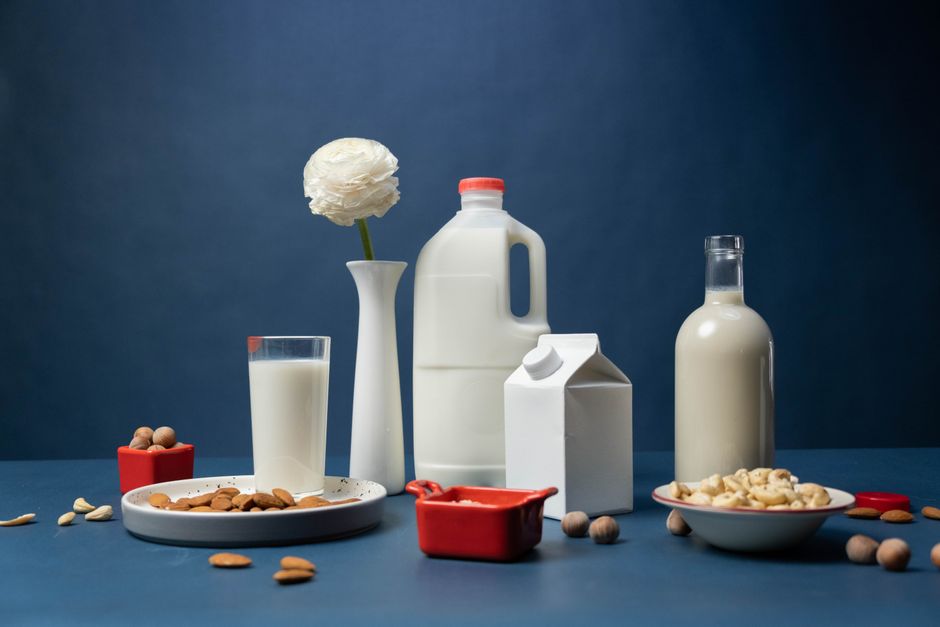
Unpasteurized milk — often called raw milk — is legal in some form in every U.S. state, but the rules vary widely. Some states allow it to be sold in grocery stores. Others permit it only through farm-direct sales or herd-share arrangements. A handful effectively ban retail sales altogether. Federal law prohibits moving raw milk across state lines for sale, which is why you will not find it in interstate commerce.
Is Unpasteurized Milk Illegal in the United States?
No federal law makes raw milk illegal to drink. The federal rule is about interstate sale. Since 1987, the U.S. Food and Drug Administration has required that any milk sold across state lines for human consumption be pasteurized. That single rule explains why raw milk is almost never shipped between states.
Within a state, the decision belongs to state lawmakers and health departments. That is why the legal picture looks like a patchwork rather than one national rule.
States generally fall into a few categories:
- Retail sales allowed: Raw milk can be sold in stores, usually with labeling requirements.
- Farm-direct only: You must buy it at the farm where it was produced.
- Herd-share or cow-share: You buy a share of an animal and receive milk as an owner, not a customer.
- Prohibited: Sale is banned, though possession for personal use may not be.
The herd-share model exists specifically to work around sales bans. Whether it is legally valid depends on the state, and courts have not treated it consistently.
Why Is Raw Milk Regulated So Differently From Other Foods?
Milk is a near-perfect growth medium for bacteria. It is rich in nutrients, close to neutral in pH, and liquid — all conditions that let microbes multiply quickly if the milk is not handled carefully.
Pasteurization heats milk to a specific temperature for a specific time to kill pathogens. The goal is not to sterilize milk. It is to reduce disease-causing bacteria to levels that do not cause illness in healthy people.
The pathogens of concern in raw milk include Salmonella, Escherichia coli O157:H7, Listeria monocytogenes, and Campylobacter. These are not rare contaminants. They can enter milk from the udder, from manure, from the animal’s skin, or from equipment and handlers.
An important point that often gets lost: a clean, well-run farm does not eliminate this risk. Testing a sample of milk does not prove the whole batch is free of pathogens either, because contamination can be uneven and intermittent. This is why public health agencies treat raw milk differently from most other foods — the risk is real even when the farm looks immaculate.
What Are the Actual Health Risks of Drinking Raw Milk?
The main documented risk is foodborne illness. Infections from raw milk can cause diarrhea, vomiting, stomach cramps, and fever. Most healthy adults recover, but some infections are serious.
Certain groups face higher risk of severe illness:
- Children and infants
- Older adults
- Pregnant women
- People with weakened immune systems
Listeria is a particular concern during pregnancy. Infection can lead to miscarriage, stillbirth, or severe illness in a newborn. E. coli O157:H7 can cause bloody diarrhea and, in a minority of cases, a serious kidney complication called hemolytic uremic syndrome.
Outbreak data consistently link raw milk and raw milk products to illness. The U.S. Centers for Disease Control and Prevention has documented numerous outbreaks tied to unpasteurized dairy. That does not mean every glass makes someone sick. It means the risk is measurably higher than with pasteurized milk, and the consequences can be severe for some people.


Does Raw Milk Have Health Benefits Pasteurized Milk Lacks?
This is where claims and evidence diverge sharply. Raw milk is often promoted for digestive health, allergies, asthma, and immune support. The evidence for these claims is limited.
Some studies have reported associations between raw milk consumption and lower rates of asthma or allergies in children raised on farms. These are observational findings, not proof of cause and effect. Farm children differ from other children in many ways — diet, environment, animal exposure, and more. Researchers cannot yet separate the effect of raw milk itself from everything else that comes with farm life.
On nutrition, pasteurization does cause minor losses. Vitamin C and some B vitamins decrease slightly. But milk is not a major source of vitamin C in most diets, and the losses are small relative to what milk provides. Pasteurization does not meaningfully change protein, calcium, or fat content.
The claim that pasteurization destroys enzymes that aid digestion is not supported as a health benefit. Enzymes in milk are digested in the stomach like any other protein. They do not survive to do useful work in the body.
No large human trials have confirmed that raw milk delivers the health benefits its advocates claim. That is the honest position.
Can You Drink Raw Milk Legally If You Own the Animal?
In many states, yes. Owning the animal or a share of it is the legal basis for herd-share arrangements. The idea is that you are consuming milk from your own animal, not buying a product.
This model is not uniform. Some states recognize it. Others have moved to restrict or close it. Some courts have questioned whether herd-share agreements are genuine ownership or a disguised sale.
If you are considering a herd-share, the practical step is to check your state’s current rules directly. Regulations change, and the rules that applied a few years ago may not apply now.
How Is Unpasteurized Milk Labeled and Sold?
Where raw milk is legal, it is usually required to carry a warning label. These labels typically state that the product may contain harmful bacteria and that it is not recommended for certain groups, including children, pregnant women, older adults, and people with weakened immune systems.
Some states allow raw milk only for “animal consumption” or as pet food, which is a legal distinction rather than a safety one. The same milk can make a person sick regardless of the label.
Raw milk cheeses follow separate rules. In the U.S., cheeses made from unpasteurized milk generally must be aged at least 60 days before sale, based on the long-standing assumption that aging reduces pathogen risk. That assumption has been questioned — some research has found that pathogens can survive the aging period — so the 60-day rule is a regulatory standard, not a guarantee of safety.
What Should You Know Before Choosing Raw Milk?
The decision is yours, but it should rest on accurate information rather than marketing.
Some points worth holding onto:
- Pasteurization reduces pathogen risk. It does not make milk sterile, and pasteurized milk can still be contaminated after processing.
- A clean farm reduces risk but does not remove it. Contamination can happen even with good practices.
- Testing a sample does not clear a whole batch.
- The people at highest risk of severe illness are often not the ones making the choice — children and guests may drink it too.
If you have a health condition or are pregnant, breastfeeding, or preparing milk for a child, that changes the risk calculation. No clinical guidelines support raw milk for these groups, and public health agencies advise against it.
This is not a case where the evidence is simply unknown. The risks are documented. The claimed benefits are not well established. That gap is the honest summary of where things stand.
Frequently Asked Questions
Is raw milk illegal in all 50 states?
No. Raw milk is legal in some form in every state, but the rules range from full retail sales to outright bans on sale. Federal law only prohibits interstate sale for human consumption.
Can you buy raw milk at a grocery store?
Only in states that permit retail sales. In many states, raw milk can be sold only at the farm or through a herd-share arrangement.
Is raw milk safer than pasteurized milk?
No. Pasteurization is specifically designed to kill pathogens like Salmonella, E. coli, and Listeria, which are the main documented risks in raw milk.
Can raw milk make you sick even from a clean farm?
Yes. Good farm practices lower risk but do not eliminate it, because contamination can be intermittent and uneven. A single sample test does not prove a batch is safe.
