
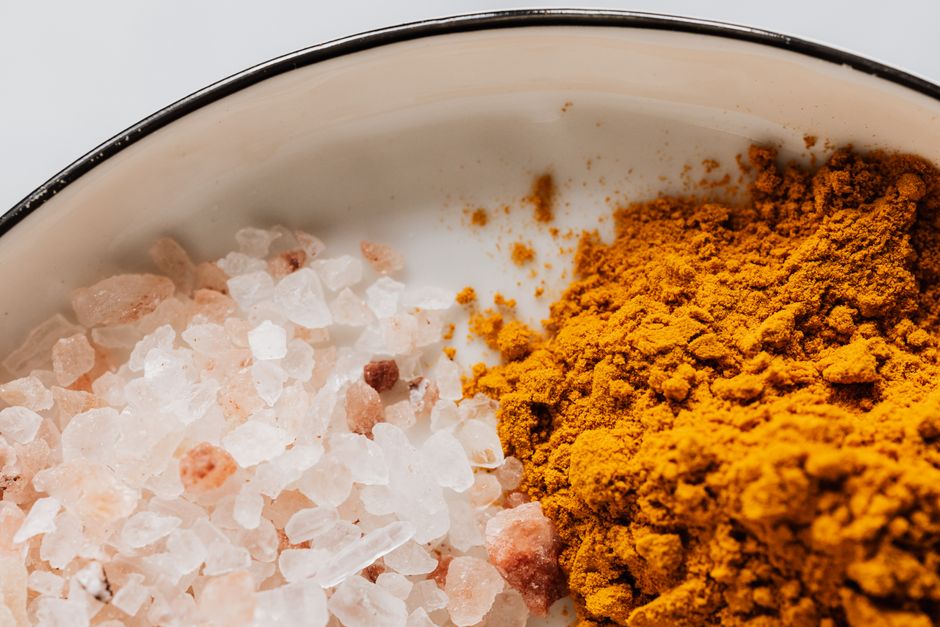
Adding turmeric to coffee is a popular trend, but it does not work the way most people think. Curcumin, the main active compound in turmeric, is poorly absorbed on its own, and coffee does not improve that absorption. Black pepper does, but only when taken with turmeric. The combination is not dangerous for most healthy adults, but the claimed benefits are largely unproven when turmeric is simply stirred into a cup of coffee.
Is Turmeric Good In Coffee Benefits And Risks?
Turmeric is a yellow-orange spice made from the root of the Curcuma longa plant. Its most studied compound is curcumin. Curcumin has been examined in laboratory and animal research for its effects on inflammation and oxidative stress. Those effects are real in test tubes and in some animal models. Whether they translate to meaningful human benefits from a spoonful in coffee is a different question.
The core problem is absorption. Curcumin is poorly soluble in water and breaks down quickly in the digestive tract. Most of what you swallow in plain turmeric powder passes through without being absorbed in a useful amount. This is why researchers studying curcumin in humans typically use concentrated extracts paired with absorption enhancers, not culinary amounts of the spice.
Coffee does not solve this problem. There is no evidence that coffee improves curcumin absorption. In fact, some research suggests that certain compounds in coffee may bind to curcumin and reduce how much is available to the body. The evidence on this specific interaction is limited and mostly from laboratory work, so it should be treated as a possibility rather than a settled finding.
What about the coffee side? Coffee itself contains chlorogenic acids and other polyphenols that have been studied for antioxidant effects. Adding turmeric does not enhance those. It also does not cancel them out in any documented way. The two ingredients simply coexist in the cup.
What Does the Evidence Actually Show About Curcumin?
Curcumin has been studied in humans for conditions including osteoarthritis, metabolic syndrome, and inflammatory conditions. Some trials have reported improvements in symptoms or inflammatory markers. The results vary widely across studies, and many trials use formulations designed specifically to boost absorption.
The evidence is mixed. Some studies suggest benefits for joint discomfort in people with osteoarthritis. Other trials show little or no effect. A recurring problem in this field is that curcumin trials use different doses, different formulations, and different outcome measures, which makes them hard to compare.
One important point: the doses used in clinical research are often far higher than what you would get from adding a pinch of turmeric to coffee. A typical culinary serving of turmeric contains a small fraction of the curcumin used in most trials. Without an absorption enhancer like piperine from black pepper, even that small amount is absorbed poorly.
This does not mean turmeric is useless. It means the gap between “curcumin has shown anti-inflammatory activity in research” and “stirring turmeric into my coffee will reduce my inflammation” is large and not yet bridged by evidence.
Are There Real Risks to Putting Turmeric in Coffee?
For most healthy adults, adding a small amount of turmeric to coffee is unlikely to cause harm. Culinary amounts of turmeric are generally recognized as safe. That said, there are situations where caution is warranted.
- Stomach irritation: Turmeric can cause digestive upset in some people, including nausea, diarrhea, or stomach pain. Coffee is already acidic and can irritate the stomach. Combining them may worsen discomfort in people who are sensitive to either one.
- Blood thinning: Curcumin may have mild antiplatelet effects. People taking blood-thinning medications such as warfarin or clopidogrel should talk to a doctor before using turmeric supplements. Whether culinary amounts in coffee matter is unclear, but concentrated supplements are a different situation.
- Gallbladder issues: Turmeric can stimulate bile production. People with gallstones or bile duct obstruction are generally advised to avoid high-dose turmeric.
- Iron absorption: Curcumin may interfere with iron absorption. People with iron-deficiency anemia should be aware of this, though the effect from small culinary amounts is likely minor.
- Liver concerns: There have been rare reports of liver injury associated with high-dose curcumin supplements, particularly certain formulations. This has not been linked to culinary turmeric use.
These risks are mostly associated with concentrated supplements, not a teaspoon of spice in a drink. But they are worth knowing, especially if you take medications or have a liver or gallbladder condition.





Does Black Pepper Make a Difference?
Yes, and this is one of the few well-established facts in this area. Piperine, a compound in black pepper, can significantly increase curcumin absorption. Research has shown that combining curcumin with piperine boosts its bioavailability substantially in humans.
This is why many curcumin supplement formulas include piperine or other absorption enhancers. It is also why traditional recipes that use turmeric often pair it with black pepper. The two have been combined in cooking for centuries, long before anyone understood the chemistry.
If you are going to add turmeric to coffee, adding a pinch of black pepper is a reasonable step based on what is known about absorption. That said, no study has confirmed that this combination in coffee produces measurable health benefits. It improves absorption. It does not prove the absorbed curcumin does anything useful in your body at that dose.
There is also a practical issue: black pepper in coffee tastes unpleasant to many people. If you dislike the flavor, you are unlikely to keep doing it, which makes the point moot.
How Does Turmeric in Coffee Compare to Other Ways of Taking It?
If your goal is to get curcumin into your body, coffee is not the most effective delivery method. Here is how common approaches compare.
| Method | Absorption | Evidence for Human Benefit |
|---|---|---|
| Turmeric in coffee | Poor | No direct studies |
| Turmeric + black pepper in food | Improved | Limited, mostly indirect |
| Curcumin supplements with enhancer | Much higher | Mixed results in trials |
| Curcumin supplements without enhancer | Poor | Mixed, often ineffective |
The table makes the basic point clear. Coffee does not improve absorption. Black pepper does. Supplements with absorption enhancers deliver the most curcumin, but even those have produced mixed results in clinical trials.
If you enjoy the taste of turmeric in coffee, there is no strong reason to stop. If you are doing it specifically for health benefits, the evidence does not support that choice strongly.
What About Golden Milk and Other Turmeric Drinks?
Golden milk, a warm drink made with turmeric, milk, and often black pepper, is a traditional preparation with a longer history than turmeric coffee. The fat in milk may help a small amount with absorption, since curcumin is fat-soluble. The black pepper, if included, helps more.
Even so, the same limitations apply. The amount of curcumin in a cup of golden milk is small, and the evidence for health benefits from drinking it regularly is limited. It is a pleasant drink. It is not a proven treatment for anything.
Some people find turmeric tea or golden milk easier on the stomach than turmeric coffee. That is a matter of personal tolerance, not a health advantage.
Should You Try It?
There is no harm in trying turmeric in coffee if you are curious. Start with a small amount, maybe a quarter teaspoon, and see how it tastes and how your stomach responds. Some people like the earthy flavor. Others find it muddy and unpleasant.
If you take blood-thinning medication, have gallbladder problems, or have liver disease, talk to your doctor before using turmeric regularly, especially in supplement form. Culinary amounts are generally considered safe, but individual circumstances vary.
Do not expect turmeric coffee to replace medical treatment for any condition. Do not expect it to reduce inflammation in a way you can measure. The evidence does not support those expectations.
What the evidence does support is this: turmeric is a safe spice for most people, curcumin has shown anti-inflammatory activity in research, absorption is a major limiting factor, and black pepper helps with that. Coffee does not.
Frequently Asked Questions
Is it safe to put turmeric in coffee every day?
For most healthy adults, a small amount of turmeric in coffee daily is unlikely to cause harm. People taking blood thinners or with gallbladder or liver conditions should check with a doctor first.
Does coffee help your body absorb turmeric?
No, coffee does not improve curcumin absorption and may slightly reduce it. Black pepper is the better-known absorption enhancer for curcumin.
What are the benefits of turmeric coffee?
No clinical studies have confirmed specific health benefits from turmeric coffee. Curcumin has shown anti-inflammatory activity in research, but the small amount in coffee is poorly absorbed.
Can turmeric in coffee cause stomach problems?
Yes, both turmeric and coffee can irritate the stomach in sensitive people. If you experience nausea or stomach pain, reduce the amount or stop using it.
