
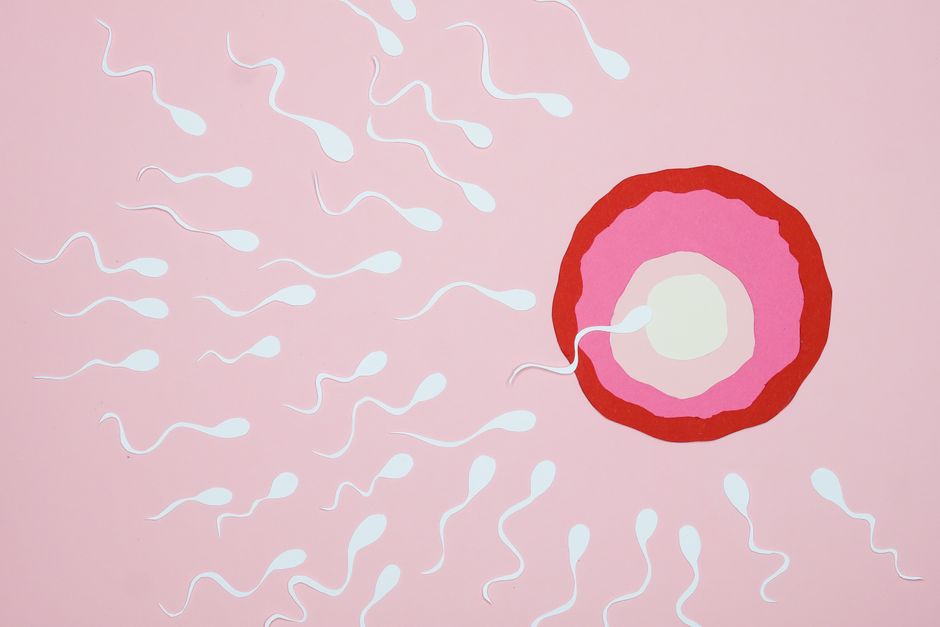
After ejaculation, some sperm can remain in the urethra and the vas deferens. This means that a second ejaculation shortly after the first—or pre-ejaculate—may contain sperm. The body does clear most sperm through urination and the natural flow of fluids, but the process is not immediate. Understanding what happens to leftover sperm matters for anyone relying on withdrawal as a method of contraception.
Does pre-ejaculate contain sperm?
Pre-ejaculate is the fluid released before full ejaculation. Research shows that in some men, pre-ejaculate contains sperm. The presence of sperm in pre-ejaculate is not consistent. Some studies have found no sperm in the pre-ejaculate of some men, while other studies have found sperm in a significant portion of samples.
The most likely explanation is that sperm can leak into the urethra from a previous ejaculation and get picked up by pre-ejaculate. If a man has not urinated between ejaculations, the chance of sperm in pre-ejaculate increases. Urinating flushes the urethra and removes most residual sperm.
Because the presence of sperm in pre-ejaculate is unpredictable, withdrawal is not a reliable method of birth control. According to typical use failure rates, about 22% of couples who use withdrawal become pregnant within a year.
How long do sperm survive in the urethra?
Sperm are delicate cells. They do not survive long in the urethra—the environment is dry and not ideal. Most sperm that remain in the urethra after ejaculation will die within minutes to an hour. However, if a second ejaculation happens soon after the first, live sperm from the previous ejaculation can still be in the urethra and become part of the next ejaculate.
The survival time of sperm inside the female reproductive tract is much longer—up to five days under optimal conditions. But outside the body or inside the male urethra, the window is very short. This is why the risk from residual sperm is primarily about immediate subsequent ejaculations, not hours later.
Is there still sperm left after ejaculation?
Yes, some sperm remain after ejaculation. The ejaculation process empties the seminal vesicles and prostate gland, but the vas deferens—the tube that stores and transports sperm from the testicles—may still hold sperm. Additionally, the urethra can contain leftover sperm from the ejaculate that did not exit fully.
After ejaculation, the muscles in the vas deferens contract, but not every sperm is expelled. The amount left behind varies from man to man and even from one ejaculation to the next. Typically, a single ejaculation releases several hundred million sperm. The number left behind is a small fraction of that—probably tens of thousands or fewer—but enough to cause pregnancy if released soon after.
The body also produces new sperm continuously. Spermatogenesis takes about 64 days, but sperm are stored in the epididymis and vas deferens. Even if a man ejaculates multiple times in a day, he is never completely sperm-free. However, the sperm count in each subsequent ejaculation decreases.





Does urination clear all sperm?
Urinating after ejaculation flushes the urethra and removes most of the remaining sperm. The acidic environment of urine also kills many sperm. However, it does not clear sperm that are still deep in the vas deferens.
If a man urinates before his next ejaculation, the chance that pre-ejaculate will contain sperm from a previous ejaculation is greatly reduced. Some clinicians recommend urinating between acts of intercourse to lower the risk of pregnancy when using withdrawal, but this is not a reliable method on its own.
No large clinical trials have confirmed that urination completely eliminates the risk. The only guarantee is that no sperm reach the vagina—which is why withdrawal has a high failure rate compared to other birth control methods.
What does this mean for pregnancy risk?
The presence of leftover sperm is a key reason why withdrawal is not recommended as a primary form of birth control. Pre-ejaculate can contain sperm, and a man cannot always tell if it does. A single sperm is all it takes to cause pregnancy.
For couples seeking effective contraception, the Centers for Disease Control and Prevention (CDC) lists withdrawal as less effective than condoms, birth control pills, IUDs, and implants. The typical use failure rate of withdrawal is about 22%, compared to 13% for condoms and less than 1% for IUDs.
If you are using withdrawal and want to reduce risk, consider adding another method such as a condom or fertility awareness. Urinating between ejaculations may help, but no study has confirmed how much it lowers the risk.
Can a man ejaculate again immediately?
After ejaculation, most men experience a refractory period during which they cannot achieve another erection or ejaculation. The length of the refractory period varies widely—from minutes to hours—and tends to increase with age.
Even if a man can ejaculate again soon after the first, the second ejaculate will have a lower sperm count. The sperm concentration may be reduced by 40–60% in the second ejaculation within a few hours. Over several hours or a day, the sperm count returns to normal.
For men undergoing fertility testing, it is often recommended to abstain for 2–5 days before providing a sample. This is because frequent ejaculation lowers sperm count. For birth control, however, even a low sperm count can still cause pregnancy.
Frequently Asked Questions
Does pre-ejaculate have sperm?
Yes, in many men pre-ejaculate can contain sperm. The sperm likely come from a previous ejaculation that was not fully cleared from the urethra.
Can you get pregnant from pre-ejaculate?
Yes, pregnancy from pre-ejaculate is possible. Because withdrawal does not prevent pre-ejaculate from entering the vagina, it is not a reliable birth control method.
How long after ejaculation is sperm present in the urethra?
Sperm can remain in the urethra for up to an hour after ejaculation if the man does not urinate. Urinating flushes most of the residual sperm out.
Does urinating after ejaculation remove all sperm?
No, urination removes most sperm from the urethra but does not affect sperm stored deeper in the vas deferens. It reduces but does not eliminate the risk of pregnancy from a subsequent ejaculation.
