
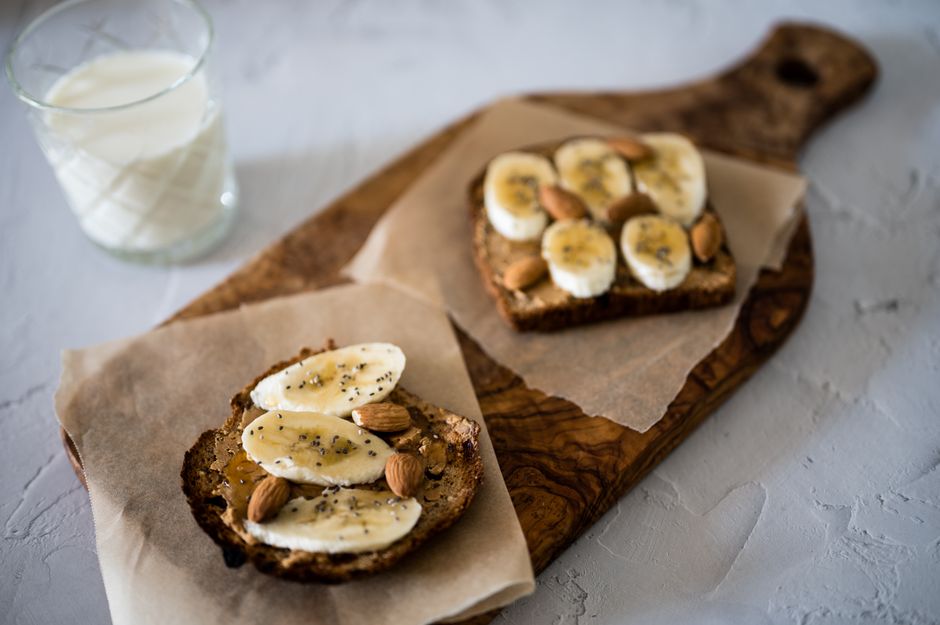
Yes, there is protein in bread. The amount depends almost entirely on the flour it is made from. A slice of regular white bread has about 2 grams of protein. A slice of whole wheat has closer to 3 to 4 grams. Breads made with sprouted grains or added seeds can push higher, while some artisan sourdoughs land in a similar range to white bread.
That range matters more than most people realize. Bread is not a protein food the way eggs or chicken are. But for anyone tracking daily intake, the difference between a 2-gram slice and a 5-gram slice adds up fast across a day.
Is There Protein In Bread Amounts By Bread Type?
Protein in bread comes from gluten and other wheat proteins, plus whatever grains, seeds, or added ingredients the loaf contains. The type of flour is the single biggest factor. Refined white flour has had the bran and germ removed, which strips out some protein along with fiber and micronutrients. Whole grain flour keeps all three.
Here is how common bread types compare per typical slice. These are approximate figures based on standard USDA nutrient data and will vary by brand, slice size, and recipe.
| Bread Type | Protein per Slice (approx.) | Notes |
|---|---|---|
| White sandwich bread | 2 g | Refined flour, lowest protein |
| Whole wheat bread | 3–4 g | Whole grain flour, higher fiber too |
| Multigrain bread | 3–5 g | Varies widely; check the label |
| Sourdough (white flour) | 2–3 g | Similar to white; fermentation doesn’t add protein |
| Rye bread | 2–3 g | Rye protein is lower in gluten |
| Seeded bread | 4–6 g | Seeds add protein and fat |
| Sprouted grain bread | 4–5 g | Dense slices; often higher per slice |
Slice size is a hidden variable. A thin slice of dense seeded bread can carry more protein than a thick slice of soft white bread. Comparing per-slice numbers across brands is misleading unless the slice weights are similar.
One clarification worth making: fermentation does not create protein. Sourdough’s tang and texture come from bacterial activity, but the protein content stays close to whatever flour went in. Any claim that sourdough is a “high-protein” bread needs a label to back it up.
How Much Protein Does A Typical Slice Of Bread Actually Have?
Most sandwich bread sold in the US falls between 2 and 4 grams of protein per slice. A standard two-slice sandwich therefore contributes roughly 4 to 8 grams. For context, a large egg has about 6 grams and a 3-ounce serving of cooked chicken has around 25 grams.
Bread is a modest protein source, not a major one. That is not a criticism — it is simply what the food is. Where bread helps is in volume and frequency. Someone eating toast at breakfast and a sandwich at lunch may get 10 to 14 grams of protein from bread alone across the day.
For adults, general protein recommendations sit around 0.8 grams per kilogram of body weight per day for basic needs, though needs rise with age, activity level, and during illness or recovery. Bread can contribute to that total but should not be relied on as the main source.
Does Whole Wheat Bread Have More Protein Than White?
Yes, whole wheat bread generally has more protein than white bread made from the same starting wheat. The bran and germ contain protein that refining removes. Most commercial whole wheat loaves land around 3 to 4 grams per slice versus about 2 grams for white.
The gap is real but modest. The bigger nutritional difference between white and whole wheat is fiber, not protein. Whole wheat typically has 2 to 3 grams of fiber per slice compared with under 1 gram in white bread. That fiber difference has stronger evidence behind it for digestive and cardiovascular health than the protein difference does.
Watch for labeling tricks. “Wheat bread” is not the same as “whole wheat bread.” The word “wheat” alone often means refined flour with some coloring added. Look for “whole wheat flour” or “whole grain” as the first ingredient on the label.
Which Breads Have The Most Protein?
Breads with added seeds, nuts, or legumes tend to have the highest protein per slice. Seeds like sunflower, pumpkin, flax, and chia contribute protein along with healthy fats. Some sprouted grain breads and breads made with added soy or chickpea flour also rank higher.
- Seeded and nut breads — often 4 to 6 grams per slice
- Sprouted grain breads — typically 4 to 5 grams per slice, dense texture
- Breads with added legume flour — variable, check labels
- Ezekiel-style breads — made from sprouted grains and legumes, often higher than standard loaves
Higher protein does not automatically mean healthier. Some seeded breads are also higher in calories and fat. The right choice depends on what else is on the plate.
If protein is the goal, bread is a supporting player. Pairing it with eggs, cheese, beans, or lean meat does far more for total protein than switching bread types.
Is Bread Protein Complete Or Incomplete?
Wheat protein is incomplete on its own. It is low in lysine, an essential amino acid. That means bread alone does not supply all the amino acids the body needs to build and repair tissue.
In practice this is rarely a problem. Most people do not eat bread in isolation. Combining it with beans, dairy, eggs, or meat fills the amino acid gap easily. The old idea that you had to carefully pair foods at every meal has been largely set aside by nutrition science. The body maintains a pool of amino acids and balances intake across the day.
For someone eating a varied diet, incomplete protein from bread is a non-issue. For someone eating mostly bread and little else, it would matter — but that pattern has bigger problems than amino acid balance.
Does Toasting Or Freezing Bread Change Its Protein?
No. Toasting, freezing, and thawing do not meaningfully change protein content. Heat can alter protein structure — that is part of why bread browns and firms up — but the total amount of protein stays the same.
Freezing is a practical way to keep bread from going stale without affecting nutrition. Toasting drives off moisture, which concentrates everything per gram of bread, but the protein per slice is unchanged.
What does change protein content is what you put on the bread. A slice of toast with peanut butter or an egg adds far more protein than any difference between bread types.
How Does Bread Fit Into A Higher-Protein Diet?
Bread can fit into a higher-protein diet as a base, not a centerpiece. The practical move is to treat bread as a vehicle for protein-rich toppings rather than a protein source itself.
A slice of whole wheat toast with two eggs delivers around 15 grams of protein. A sandwich with turkey, cheese, and whole grain bread can reach 25 grams or more. The bread contributes, but the fillings do the heavy lifting.
For people watching carbohydrate intake or managing blood sugar, portion and type matter more than protein content. Whole grain and seeded breads generally have a lower glycemic impact than white bread, though individual responses vary. Anyone with diabetes or prediabetes should discuss bread choices with their clinician rather than relying on general guidance.
Reading labels is the most reliable approach. Protein content per slice is printed on nearly every packaged loaf in the US. Comparing two or three brands side by side takes less than a minute and gives a clearer answer than any general rule.
Frequently Asked Questions
How much protein is in one slice of bread?
A typical slice of white bread has about 2 grams of protein, while whole wheat and seeded breads often have 3 to 6 grams. The exact amount depends on the flour, slice size, and added ingredients.
Is bread a good source of protein?
Bread is a modest protein source, not a major one. It contributes to daily intake but should not replace eggs, dairy, beans, or meat as primary protein sources.
Which bread has the highest protein?
Seeded, sprouted grain, and legume-flour breads tend to have the most protein, often 4 to 6 grams per slice. Check the nutrition label, since recipes vary widely between brands.
Does sourdough bread have more protein than regular bread?
No, sourdough made from white flour has a similar protein content to regular white bread, around 2 to 3 grams per slice. Fermentation changes flavor and texture, not protein amount.
