
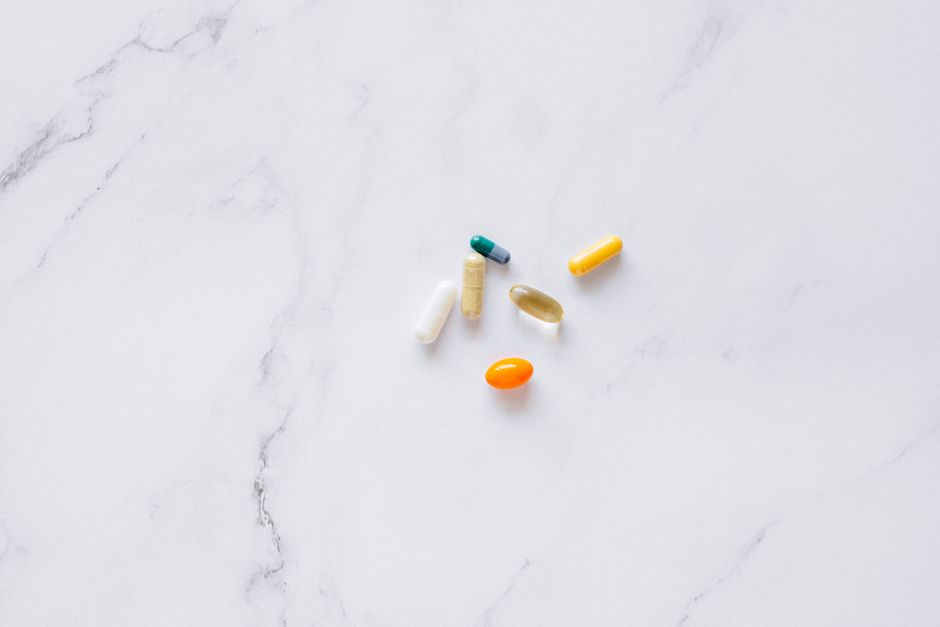
The short answer is no. You cannot buy estrogen as a true over-the-counter medication in the United States. Products labeled as “over-the-counter estrogen” or “natural estrogen” are not FDA-approved drugs. They are dietary supplements, and they do not work the same way as prescription estrogen therapy. This distinction matters for your health, so let’s look at what these products actually contain and what the evidence really says.
What Is “Over the Counter Estrogen” Actually Selling?
Walk into a pharmacy or search online, and you will find creams, gels, and pills marketed for menopause symptoms like hot flashes and vaginal dryness. Many of these products claim to contain “natural estrogen” or “bio-identical hormones.” But none of them are FDA-approved estrogen drugs.
Most of these products contain plant-derived compounds, usually from soy or wild yam. The key fact is that your body cannot convert the compounds in wild yam into estrogen. The wild yam contains diosgenin, a plant steroid, but humans lack the enzyme needed to turn it into estradiol, the main form of estrogen in the body. Some research suggests soy isoflavones can bind weakly to estrogen receptors, but the effect is far weaker than prescription estrogen.
These products are regulated as cosmetics or dietary supplements, not as drugs. That means they do not have to prove safety or effectiveness before going on the market. The FDA does not review them for purity, dose accuracy, or whether they do what the label claims.
Why Prescription Estrogen Is Not Over the Counter
Estrogen is a powerful hormone. Taking it affects the breasts, uterus, bones, heart, and blood vessels. It also carries real risks, including blood clots, stroke, and certain types of cancer. Because of these risks, the FDA requires a prescription so a doctor can evaluate whether the benefits outweigh the risks for each individual.
Prescription estrogen comes in many forms: pills, patches, gels, sprays, vaginal creams, and vaginal rings. The dose is standardized and tested. A doctor can adjust the dose based on your symptoms and your medical history. This level of oversight is simply not possible with a supplement you pick up off a shelf.
There is also a difference between systemic estrogen and local estrogen. Systemic estrogen, like pills and patches, travels through the bloodstream and affects the whole body. Local estrogen, like vaginal creams and rings, mostly affects the vaginal tissues. Both require a prescription for good reason.
Phytoestrogens: What the Research Really Shows
Phytoestrogens are plant compounds that can bind to estrogen receptors in the body. The two main types are isoflavones, found in soy, and lignans, found in flaxseed and whole grains. The question is whether they actually relieve menopause symptoms.
Some studies suggest soy isoflavones may reduce hot flash frequency in some women. The effect appears modest and varies widely between individuals. Some women report significant relief, while others notice no change at all. Research published in the journal Menopause has examined this question, and the overall conclusion is that phytoestrogens are not a reliable substitute for estrogen therapy.
There is a common belief that because phytoestrogens come from plants, they are automatically safe. That is not accurate. These compounds do have biological activity. They can interact with prescription medications and may have effects on hormone-sensitive tissues. The evidence on long-term safety, especially for women with a history of breast cancer, is not strong enough to make any firm recommendations.




Bio-Identical Hormones: The Marketing vs. The Science
The term “bio-identical” sounds precise, but it is mostly marketing. Bio-identical hormones are chemically identical to the hormones your body produces. The FDA-approved versions of these hormones exist, including estradiol patches and oral micronized progesterone. These are legitimate prescription medications.
What you see in compounding pharmacies and online stores is a different story. Custom-compounded “bio-identical” hormone creams are mixed individually based on a patient’s saliva test. The problem is that saliva testing has not been validated as a reliable way to measure hormone levels or guide dosing. No large clinical trials have confirmed that custom-compounded hormones are safer or more effective than FDA-approved versions.
The North American Menopause Society has stated that custom-compounded hormones are not recommended because of lack of safety and efficacy data. The FDA has also issued warnings about these products. The word “bio-identical” does not mean safer, and it does not mean the product has been tested.
What About Estrogen Creams Sold Without a Prescription?
You may find creams labeled as “estrogen cream” or “natural progesterone cream” in health food stores. These are not the same as prescription estrogen cream. They typically contain plant extracts and are marketed as dietary supplements.
The label may say “estrogen” but the actual amount of estrogenic activity is unknown. There is no standardized dose. A study might find that a particular product contains very little active estrogen, while another product from the same brand has a different amount. This inconsistency makes it impossible to know what you are actually applying to your skin.
There is also a risk of contamination. Because supplements are not held to pharmaceutical manufacturing standards, they can contain undeclared ingredients. Some products marketed for menopause have been found to contain prescription hormones at unlabeled doses. This is dangerous because you could be getting a significant amount of estrogen without knowing it, which carries the same blood clot and cancer risks as prescription estrogen.
Are There Any Legitimate Over-the-Counter Options for Menopause Symptoms?
Yes, but they do not contain estrogen. For vaginal dryness, over-the-counter water-based or silicone-based lubricants can provide relief during intercourse. Long-lasting vaginal moisturizers, like Replens, can also help with daily dryness. These products are safe and effective for symptom relief, though they do not treat the underlying hormone deficiency.
For hot flashes, some women find relief with lifestyle changes like dressing in layers, keeping the bedroom cool, and avoiding triggers like caffeine and alcohol. Cognitive behavioral therapy has shown some benefit in clinical trials for managing hot flash distress, though it does not reduce the frequency of the hot flashes themselves.
A prescription medication called fezolinetant is now available for hot flashes. It is not a hormone. It works by blocking a brain pathway involved in temperature regulation. This is a prescription drug, so you would need to discuss it with your doctor, but it offers an option for women who cannot or do not want to take estrogen.
What to Ask Your Doctor Instead
If you are struggling with menopause symptoms, do not self-treat with supplements. Make an appointment with your doctor and come prepared with questions. Ask about the risks and benefits of prescription estrogen therapy based on your personal health history.
Be honest about your symptoms. How often are hot flashes happening? Are they disrupting your sleep? Is vaginal dryness affecting your quality of life? This information helps your doctor determine whether systemic or local estrogen is the right choice.
If you are considering a supplement, bring it to your appointment. Your doctor can look at the ingredient list and help you understand what the evidence actually says. Some doctors are willing to support supplement use if the evidence is reasonable and the risks are low. Others will recommend against it. Either way, an informed conversation is better than guessing.
Frequently Asked Questions
Can I buy estrogen cream without a prescription?
No. Any cream containing actual estrogen requires a prescription from a doctor. Creams sold without a prescription contain plant extracts, not pharmaceutical estrogen, and their effects are unproven.
Are soy supplements a safe alternative to estrogen therapy?
Some studies show modest relief from hot flashes with soy isoflavones, but the effect is inconsistent and much weaker than prescription estrogen. Long-term safety data is limited, so they should not be considered a direct substitute.
What is the difference between bio-identical and synthetic estrogen?
Bio-identical estrogen is chemically identical to what your body makes, while synthetic estrogen is chemically different. FDA-approved bio-identical estradiol exists, but custom-compounded versions sold online have not been proven safe or effective.
