
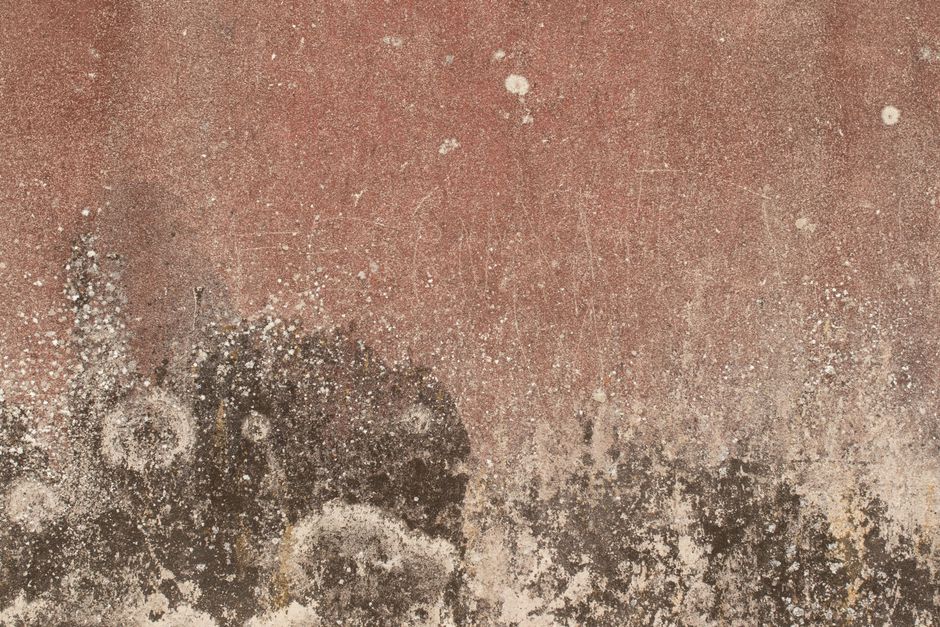
Mold is everywhere. It exists in the outdoor air, in the soil, on plants, and inside almost every building on Earth. Because mold spores are microscopic and lightweight, they travel through the air constantly. You inhale them every day, and your body handles them without issue most of the time. The real question is not whether mold is present, but when mold becomes a problem worth your attention.
Is There Mold Everywhere And Should You Worry
Yes, mold is genuinely everywhere in the environment. It is a natural part of the ecosystem that breaks down dead organic material like leaves and wood. Indoor mold becomes a concern only when it finds moisture and begins to grow on surfaces inside your home. The presence of a few spores in the air is normal and not a health threat. Active mold growth on walls, ceilings, or fabrics is a different situation entirely and deserves action.
What Does Mold Need To Grow Indoors
Mold requires three things to grow: moisture, a food source, and the right temperature. The food source is almost any organic material. Wood, drywall paper, ceiling tiles, carpet backing, and dust all provide nutrients. The temperature range in most homes is comfortable for mold growth. That leaves moisture as the only factor you can truly control.
Indoor moisture problems come from many sources. Leaky roofs and pipes are common culprits. Flooding, whether from storms or appliance failures, introduces large amounts of water. High humidity alone can support mold growth, especially in bathrooms, basements, and crawl spaces. Condensation on cold surfaces like windows or uninsulated pipes also creates enough moisture for mold to establish itself.
When moisture problems go unresolved for more than 24 to 48 hours, mold growth becomes likely. This is why rapid drying after water damage is so important. The longer materials stay wet, the higher the chance that visible mold will appear.
How Does Mold Exposure Affect Your Health
Health effects from mold depend on the person and the amount of exposure. Most healthy adults experience no symptoms at all from casual exposure to mold spores. For others, mold triggers allergic reactions. Symptoms include sneezing, runny nose, red eyes, and skin rash. People with asthma may find that mold exposure worsens their symptoms or triggers attacks.
Some research suggests that mold exposure in early childhood may increase the risk of developing asthma. Studies have consistently linked damp, moldy indoor environments to respiratory symptoms in children. The evidence is strong enough that public health authorities recommend fixing moisture problems promptly, particularly in homes with children.
Certain groups face higher risk from mold exposure. Infants, elderly people, and those with weakened immune systems are more vulnerable. People with chronic lung conditions or mold allergies also react more strongly. For these individuals, even modest indoor mold growth can produce noticeable symptoms.
There is no solid evidence that mold causes the vague collection of symptoms sometimes called “toxic mold syndrome.” Headaches, fatigue, and memory problems are real, but no clinical study has confirmed that mold exposure alone produces these symptoms in otherwise healthy people. Some clinicians report seeing patients with these complaints in moldy homes, but the connection remains unproven.





Is Black Mold More Dangerous Than Other Mold
The term “black mold” causes a lot of unnecessary fear. Stachybotrys chartarum is the species most people mean when they say black mold. It is genuinely black or dark green and grows on materials with high cellulose content like drywall and ceiling tiles. It requires very wet conditions for prolonged periods to grow.
However, color is not a reliable way to judge mold danger. Many mold species appear black or dark in color, and most are no more dangerous than any other mold. The health effects of Stachybotrys are similar to those of other molds. It can trigger allergies and asthma symptoms just like any other species.
Claims that black mold causes severe neurological damage or death are not supported by clinical evidence. No well-designed study has linked Stachybotrys exposure to these extreme outcomes in healthy people. The mold that grows in your bathroom corner is not a biological weapon. It is an allergen and an irritant, and it should be removed, but panic is not warranted.
How Can You Tell If Mold Is Making You Sick
Mold-related symptoms look exactly like seasonal allergies or colds. Sneezing, congestion, itchy eyes, and coughing are the most common complaints. The key difference is timing. If symptoms improve when you leave the building and return when you come back, mold or another indoor allergen may be responsible.
No reliable medical test confirms that mold is causing your symptoms. Some practitioners offer tests for mold antibodies or urinary mycotoxins, but these tests have not been validated for diagnosing mold-related illness. A positive antibody test only shows that you have been exposed to mold at some point, which is true for virtually everyone.
The most practical approach is environmental. Look for visible mold growth or musty odors in your home. Fix any moisture problems and remove the mold. If your symptoms improve after the cleanup, the mold was likely contributing. If symptoms persist, see a doctor to explore other causes.
What Is The Best Way To Remove Household Mold
Small areas of mold, roughly less than 10 square feet, can usually be handled by homeowners. The Environmental Protection Agency recommends scrubbing hard surfaces with detergent and water, then drying thoroughly. Bleach is not necessary for most mold cleanup. Detergent and water remove mold effectively without the harsh fumes.
Porous materials like ceiling tiles, carpet, and drywall often cannot be fully cleaned once mold grows into them. These materials usually need to be removed and replaced. Cutting corners by painting over moldy drywall does not solve the problem. The mold continues to grow beneath the paint.
Protect yourself during cleanup. Wear an N95 respirator or a mask with higher protection, gloves, and goggles. Open windows and doors to ventilate the area. Seal off the work area from the rest of the home to prevent spores from spreading. Double-bag contaminated materials in heavy plastic before disposal.
Larger infestations, those covering more than 10 square feet, warrant professional help. Mold remediation companies have the equipment and training to handle extensive contamination safely. If mold grew after sewage flooding, professionals are recommended because sewage contains bacteria and other pathogens beyond mold.
How Do You Prevent Mold From Coming Back
Prevention is entirely about moisture control. Fix leaks immediately, whether from the roof, pipes, or appliances. Dry wet areas within 24 to 48 hours. In basements and crawl spaces, a dehumidifier can keep relative humidity below 50 percent. Ventilate bathrooms and kitchens with exhaust fans that vent outside.
Regular home maintenance catches problems early. Inspect areas prone to moisture, such as under sinks, around toilets, and along basement walls. Look for water stains, musty odors, or visible growth. Address small issues before they become large ones.
If you have had flooding, remove wet materials quickly. Carpet, padding, and drywall that stay wet for more than a couple of days will almost certainly grow mold. In many flood situations, the safest choice is to remove and replace these materials rather than attempt to dry them.
When Should You See A Doctor About Mold Exposure
See a doctor if you have persistent respiratory symptoms that interfere with daily life. This includes ongoing coughing, wheezing, shortness of breath, or sinus congestion. People with asthma who notice their symptoms worsening at home should seek medical advice. Those with weakened immune systems who develop any respiratory illness should be evaluated promptly.
Tell your doctor about any known mold problems in your home. This information helps them interpret your symptoms. Your doctor may recommend allergy testing to identify specific triggers. Treatment for mold allergies generally involves the same medications used for other allergies, including antihistamines and nasal corticosteroids.
If you suspect mold is causing symptoms in your child, contact their pediatrician. Children spend more time on floors where mold dust settles, and their developing respiratory systems may be more sensitive. Early evaluation helps rule out other conditions and provides guidance on managing the home environment.
Frequently Asked Questions
Can mold grow anywhere in a house
Mold can grow anywhere moisture and organic material exist together. Bathrooms, kitchens, basements, and areas around leaks are the most common sites.
Is it safe to live in a house with mold
Small amounts of mold are manageable, but active growth indicates a moisture problem that needs fixing. Large or persistent mold growth should be addressed promptly, especially if anyone in the home has allergies, asthma, or a weakened immune system.
Does opening windows reduce indoor mold
Opening windows helps reduce humidity and improve ventilation, which makes conditions less favorable for mold. It only helps if outdoor humidity is lower than indoor humidity.
Can mold make you sick even if you are not allergic
Non-allergic people generally experience no symptoms from typical mold exposure. Some research suggests that prolonged exposure to damp indoor environments may contribute to respiratory irritation, but the evidence for serious illness in healthy people is limited.
