
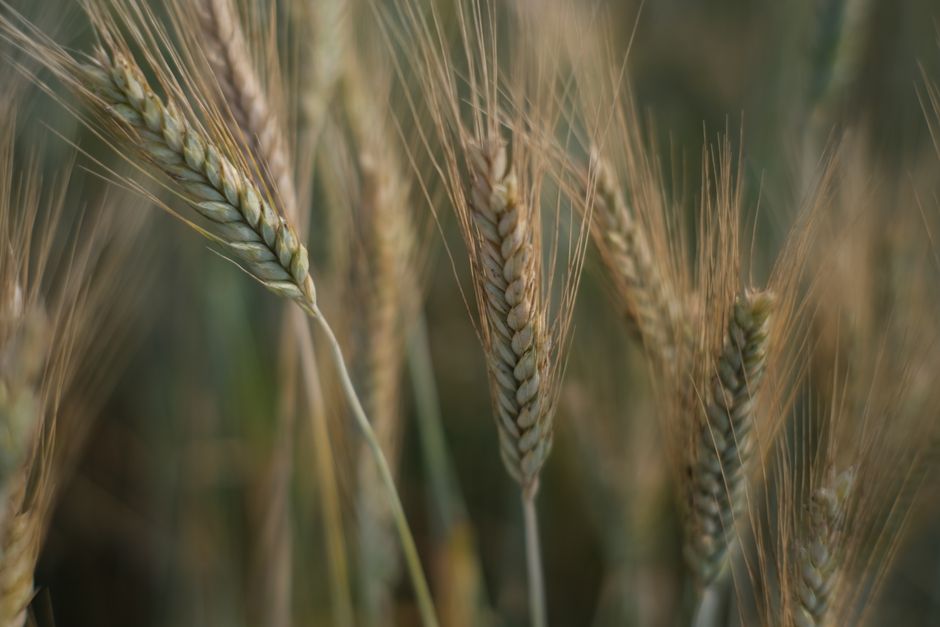
Barley contains gluten. This is not a matter of debate. The gluten proteins in barley — primarily a group called hordeins — are harmful to people with celiac disease and can cause problems for those with gluten sensitivity. For anyone on a medically necessary gluten-free diet, barley is off the table. For everyone else, barley is a nutritious whole grain with fiber, vitamins, and minerals that most people can eat without issue. The safety of barley depends entirely on who is eating it and why.
What Kind of Gluten Is in Barley?
Gluten is a general term for storage proteins found in certain grains. Wheat has glutenin and gliadin. Rye has secalins. Barley has hordeins. These proteins are all related, and they all trigger the same immune response in people with celiac disease.
Hordeins are the primary culprit. When someone with celiac disease eats barley, their immune system treats these proteins as a threat. The immune response damages the small intestine’s lining, which over time can lead to nutrient malabsorption and a range of symptoms beyond the digestive tract.
Barley is not the only grain that contains gluten. It is one of the three major gluten grains, along with wheat and rye. Some people mistakenly believe that only wheat contains gluten. This is incorrect. Barley and rye are equally problematic for those who must avoid gluten.
Is There Gluten In Barley And Is It Safe To Eat?
The answer is clear: barley contains gluten, and it is not safe for people with celiac disease or gluten sensitivity. For the general population without these conditions, barley is safe to eat and offers genuine nutritional value.
The confusion often comes from food labeling. In the United States, the Food and Drug Administration regulates what can be labeled “gluten-free.” A product labeled gluten-free must contain less than 20 parts per million of gluten. Barley and barley ingredients cannot be used in products carrying this label unless they have been processed to remove gluten — a process that is rare and difficult.
Barley appears in many foods under different names. Malted barley is common in beer and malt vinegar. Barley flour shows up in baked goods. Barley malt syrup or extract is used as a sweetener and flavoring. Even small amounts of these ingredients can cause reactions in sensitive individuals.
How Much Barley Gluten Causes a Reaction?
For people with celiac disease, the threshold is very low. Research consistently shows that even small amounts of gluten — far less than a single bite of bread — can trigger intestinal damage. Most experts agree that staying below 10 milligrams of gluten per day is the safest target, though this is difficult to measure in practice.
One piece of barley bread contains far more gluten than that. A single slice can deliver hundreds of milligrams of gluten proteins. There is no safe amount of barley for someone with celiac disease.
For people with non-celiac gluten sensitivity, the situation is less clear. Symptoms vary widely. Some people react to tiny amounts. Others tolerate small quantities without obvious symptoms. No clinical guidelines currently define a safe threshold for this group. The practical advice from most clinicians is to avoid barley completely if it causes symptoms.



Hidden Sources of Barley in Food
Barley hides in many processed foods. Reading labels carefully is essential for anyone avoiding gluten.
Beer is the most obvious source. Most beers are made with malted barley. Gluten-free beers exist, but they are the exception, not the rule. Malt vinegar is another common source — it is made from barley and used in fish and chips, salad dressings, and pickles.
Other less obvious sources include:
- Malted milk and malted milkshakes
- Some breakfast cereals and granola bars
- Certain soups and broths that use barley as a thickener
- Some energy bars and protein bars
- Brewer’s yeast, which can contain barley residue
- Some rice milk and plant-based beverages
The FDA requires barley to be listed on ingredient labels in the United States. This makes label reading possible, but it does not make it easy. Barley can appear as “malt,” “malted barley,” “barley flour,” “barley extract,” or simply “natural flavoring.” If a label says “natural flavoring” and the product is not certified gluten-free, there is no way to know whether barley is involved without contacting the manufacturer.
Is Barley Safe for People Without Gluten Issues?
For the majority of people, barley is a healthy grain. It is high in fiber — particularly beta-glucan, a type of soluble fiber that has been shown to help lower cholesterol. Some research published in the American Journal of Clinical Nutrition found that barley beta-glucan can reduce LDL cholesterol levels. Barley also provides selenium, copper, and B vitamins.
Pearl barley is the most common form sold in stores. The outer hull is removed, and the bran is often polished away. This makes it cook faster but reduces fiber content. Hulled barley retains more of the bran and is more nutritious, but it takes longer to cook and has a chewier texture.
Barley has a lower glycemic index than many other grains. This means it raises blood sugar more slowly than white rice or white bread. Some evidence suggests this makes it a good choice for people managing blood sugar levels, though individual responses vary.
Barley in Gluten-Free Diets: What to Watch For
If you follow a gluten-free diet, barley is not your only concern. Cross-contamination is a real risk. Oats are naturally gluten-free, but many commercial oats are processed in facilities that also handle wheat and barley. Look for oats specifically labeled gluten-free.
Eating out requires extra caution. Soups, stews, and salads at restaurants may contain barley or be garnished with barley-based ingredients. Asking questions is not enough — you need to ask specific questions about barley and malt, not just wheat.
Some people confuse barley with other grains. Buckwheat, millet, quinoa, and amaranth are all naturally gluten-free. They are safe alternatives for people who cannot eat barley. Brown rice, corn, and sorghum are also safe.
What About Barley Grass and Barley Water?
Barley grass — the young leaves of the barley plant — is a different product from the grain. Some manufacturers claim barley grass is gluten-free because the gluten is in the seed, not the leaves. This claim is technically plausible but practically risky.
No reliable testing standard currently exists for barley grass products. Cross-contamination during harvesting and processing is common. Some barley grass products have tested positive for gluten. For anyone with celiac disease, the safest choice is to avoid barley grass products entirely. The potential benefit does not outweigh the risk.
Barley water is made by boiling barley grains in water. This beverage contains gluten. It is not safe for people with celiac disease or gluten sensitivity.
How to Know If You Should Avoid Barley
If you have been diagnosed with celiac disease, the answer is simple: avoid barley completely. This is a medical requirement, not a lifestyle choice.
If you suspect you have gluten sensitivity, talk to a doctor before eliminating gluten from your diet. Testing for celiac disease requires you to be eating gluten at the time of the test. If you stop eating gluten before testing, the test results may be unreliable.
If you do not have celiac disease or gluten sensitivity, there is no medical reason to avoid barley. It is a whole grain with legitimate nutritional benefits. The gluten-free diet is not healthier for people who do not have a medical reason to follow it. Some gluten-free products are actually lower in fiber and higher in sugar than their gluten-containing counterparts.
Frequently Asked Questions
Is barley gluten-free?
No, barley contains gluten. The gluten proteins in barley are called hordeins, and they trigger the same immune response as wheat gluten in people with celiac disease.
Can someone with celiac disease eat barley?
No. Barley is not safe for anyone with celiac disease. Even small amounts can cause intestinal damage.
Is barley safe to eat if you are gluten sensitive?
No. Barley contains gluten and can trigger symptoms in people with non-celiac gluten sensitivity. Avoid it if it causes symptoms.
Does beer always contain barley?
Most beer is made with malted barley and contains gluten. Gluten-free beers are available, but they are made with alternative grains like sorghum or rice.
