
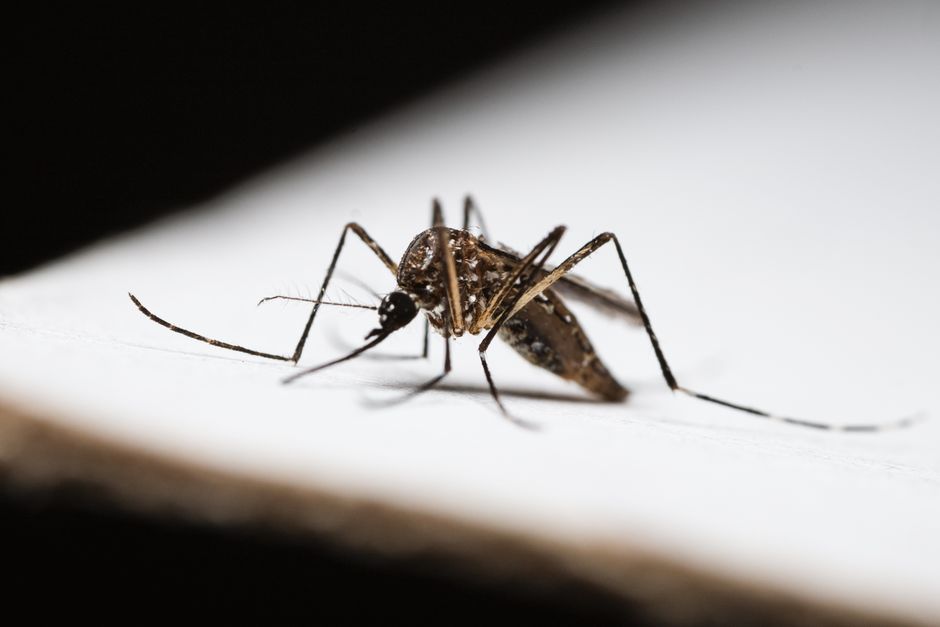
Zika virus is present in Thailand, and the risk to travelers is real but generally low for most people. The country reports cases every year, and the virus is considered endemic, meaning it circulates continuously at low levels. For most travelers, the bigger concern is not their own illness but the risk of transmitting the virus to a pregnant partner or family members back home.
What Is the Current Zika Situation in Thailand?
Thailand has reported Zika cases consistently for years. The virus is found throughout the country, including popular tourist destinations like Bangkok, Chiang Mai, and the southern islands. Local transmission happens when mosquitoes bite an infected person and then bite someone else.
Most cases in Thailand are not severe. Many people who get Zika never develop symptoms at all. When symptoms do appear, they are usually mild and last less than a week. The real concern is for pregnant women, because Zika can cause serious birth defects.
The Thai Ministry of Public Health monitors cases and reports them to international health organizations. Some years see more cases than others, but the virus never fully disappears. Travelers should assume low-level risk exists anywhere in the country, not just in rural areas.
How Is Zika Virus Transmitted?
Zika is primarily spread through the bite of an infected Aedes mosquito. These mosquitoes bite during the day, with peak activity in the early morning and late afternoon. They breed in standing water, which is common in tropical urban and suburban environments.
Unlike some mosquito-borne diseases, Zika can also spread through sexual contact. The virus survives in semen longer than in blood, and a man can transmit it to sexual partners weeks after his own infection. This matters for couples planning pregnancy or currently pregnant.
Blood transfusion is another possible route, though screening has reduced this risk in most countries. Mother-to-child transmission during pregnancy is the most dangerous route, which is why Zika is a major concern for prenatal health.
Why Is Zika Dangerous During Pregnancy?
Zika infection during pregnancy can cause microcephaly, a condition where a baby is born with a smaller head and underdeveloped brain. The risk is highest when infection occurs in the first trimester, but infection at any stage of pregnancy carries some danger.
Other birth defects linked to Zika include vision problems, hearing loss, joint issues, and developmental delays. Not every pregnancy affected by Zika results in birth defects, and researchers still cannot predict which cases will be severe. This uncertainty makes prevention the primary strategy.
The virus can also cause pregnancy loss in some cases. Because of these serious outcomes, health authorities advise pregnant women to postpone non-essential travel to areas with active Zika transmission. This recommendation applies to Thailand.





What Are the Symptoms of Zika Infection?
About 80 percent of people infected with Zika never develop symptoms. Those who do typically experience fever, rash, joint pain, and red eyes. Headache and muscle pain are also common.
Symptoms usually appear three to fourteen days after a mosquito bite. The illness is generally mild, lasting two to seven days. Hospitalization is rarely needed, and death from Zika is extremely rare in otherwise healthy adults.
One complication deserves attention. Zika has been linked to Guillain-Barré syndrome, a rare neurological condition where the immune system attacks nerves. This can cause temporary weakness or paralysis. The risk is low, but it exists.
Who Should Avoid Travel to Thailand Due to Zika?
Pregnant women should discuss any planned travel to Thailand with their healthcare provider. Many health authorities recommend postponing non-essential travel to Zika-affected areas for the duration of pregnancy. If travel is unavoidable, strict mosquito prevention measures are essential.
Couples trying to conceive face a different set of considerations. If a woman travels to Thailand and is exposed to Zika, health guidelines generally recommend waiting at least two months before attempting pregnancy. If a man travels and is exposed, the recommended waiting period is longer because the virus persists in semen.
Men who have traveled to Zika-affected areas should use condoms or abstain from sex for at least three months after return, even if they never felt sick. Women should wait at least two months. These timelines come from public health guidance designed to reduce the risk of sexual transmission.
How Can Travelers Reduce Their Risk of Zika?
No vaccine for Zika exists. Prevention relies entirely on avoiding mosquito bites and preventing sexual transmission.
Use EPA-registered insect repellent containing DEET, picaridin, or oil of lemon eucalyptus. Apply it over sunscreen and reapply as directed. Wear long-sleeved shirts and long pants, especially during daylight hours when Aedes mosquitoes are most active.
Choose accommodations with air conditioning or window screens. Sleep under a mosquito net if you are not sure the room is fully enclosed. Remove standing water around your lodging when possible, since even small containers can breed mosquitoes.
Sexual transmission prevention matters just as much. Use condoms correctly during and after travel. This protects your partner even if you never develop symptoms.
What Should You Do If You Get Sick After Returning Home?
If you develop fever, rash, joint pain, or red eyes within two weeks of returning from Thailand, see a healthcare provider. Tell them where you traveled and when. This information helps them order the right tests.
Zika is diagnosed through blood or urine tests. Because symptoms overlap with dengue and chikungunya, laboratory confirmation is important. These viruses circulate in the same regions and are transmitted by the same mosquitoes.
There is no specific antiviral treatment for Zika. Care focuses on relieving symptoms with rest, fluids, and medications like acetaminophen for fever and pain. Avoid aspirin and non-steroidal anti-inflammatory drugs until dengue is ruled out, because these medicines can increase bleeding risk in dengue patients.
If you are pregnant and develop symptoms after travel, contact your obstetrician immediately. They will arrange appropriate testing and monitoring, even if your symptoms are mild or absent.
Frequently Asked Questions
Is it safe to travel to Thailand while pregnant?
Health authorities generally advise pregnant women to postpone non-essential travel to Thailand because Zika is present in the country. If travel is unavoidable, strict mosquito bite prevention is essential and you should discuss the risks with your healthcare provider first.
How long after returning from Thailand should I wait to get pregnant?
Women should wait at least two months after potential Zika exposure before attempting pregnancy. Men should wait at least three months because the virus can persist longer in semen.
Do I need to worry about Zika if I have no symptoms?
Yes, because most Zika infections cause no symptoms at all. You can still transmit the virus through sexual contact even if you never felt sick, which is why prevention measures matter for everyone returning from affected areas.
Can I get Zika from a mosquito bite in Bangkok or other cities?
Yes, Zika transmission has been reported in urban areas across Thailand, including Bangkok. The mosquitoes that carry Zika thrive in cities, so staying in tourist areas does not eliminate your risk.
