
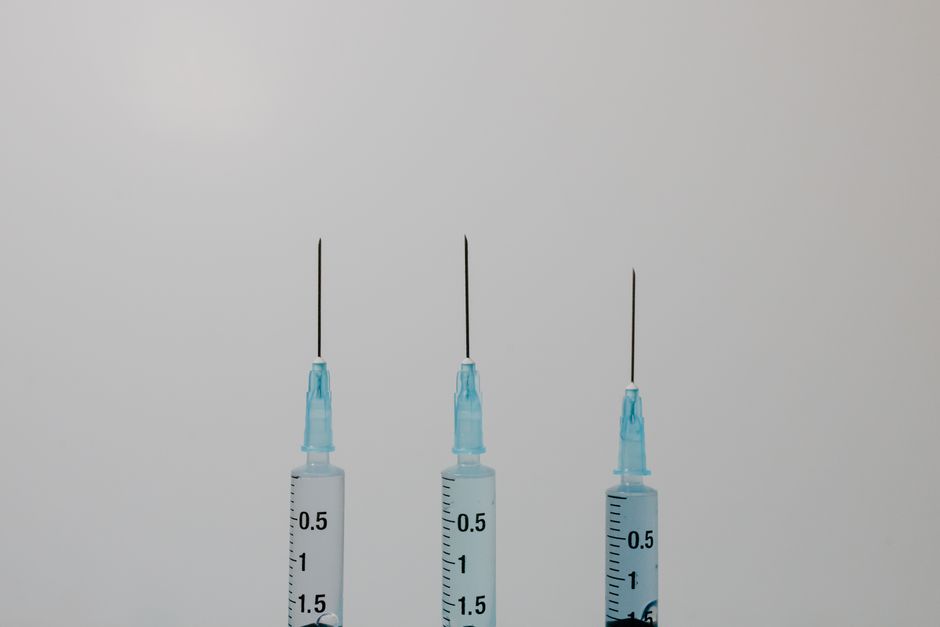
Yes, there is a vaccine for HPV. In fact, there are three of them, and they are among the most studied vaccines in modern medicine. They prevent infection from the human papillomavirus types most likely to cause cervical cancer and genital warts. The vaccine works by teaching your immune system to recognize and block the virus before it can take hold.
Who needs it? The short answer is most people, ideally before they become sexually active. The longer answer involves age, timing, and a few important details that are worth understanding clearly.
What Is HPV and Why Does It Matter?
HPV stands for human papillomavirus. It is a family of more than 200 related viruses. Most are harmless. A smaller group is not.
These viruses spread through skin-to-skin contact, most often during sexual activity. It is the most common sexually transmitted infection in the United States. The Centers for Disease Control and Prevention has estimated that most sexually active people will get HPV at some point in their lives, and most will never know it.
In the majority of cases, the immune system clears the infection on its own within a year or two. But when it does not clear, certain high-risk types can cause cells to change in ways that may eventually lead to cancer.
HPV is the cause of nearly all cervical cancers. It is also linked to a significant share of cancers of the throat, anus, penis, vulva, and vagina. Two low-risk types, HPV 6 and 11, cause about 90 percent of genital warts. These types do not cause cancer.
The key point is this: HPV is very common, usually harmless, and occasionally serious. The vaccine exists to prevent the serious outcomes.
How Does the HPV Vaccine Work?
The HPV vaccine does not contain live virus. It cannot cause HPV infection or cancer.
Instead, it uses something called virus-like particles. These are proteins that mimic the outer shell of the virus. They look like HPV to your immune system, but they contain no viral DNA. They cannot replicate or infect anything.
When the vaccine is injected, your immune system sees these particles as foreign. It builds antibodies against them. If you are later exposed to the real virus, those antibodies are already waiting. They block the virus from entering cells and starting an infection.
This is why timing matters so much. The vaccine works best before exposure. Once a person has been infected with a given HPV type, the vaccine does not treat that existing infection. It only prevents new ones.
The vaccine is prophylactic, meaning it prevents infection. It is not a treatment for existing HPV or for cancers that have already developed.
What Are the Different HPV Vaccines?
Three HPV vaccines have been developed and used over time. Only one is currently available in the United States.
- Gardasil 9 — the current vaccine, protects against nine HPV types (6, 11, 16, 18, 31, 33, 45, 52, and 58). It covers the types responsible for most HPV-related cancers and genital warts.
- Gardasil — an earlier version that covered four types. It is no longer used in the U.S.
- Cervarix — covered two cancer-causing types. It is no longer available in the U.S.
The nine types covered by the current vaccine account for roughly 90 percent of cervical cancers and the large majority of HPV-related cancers in other sites. The two wart-causing types are also included.
Because the current vaccine covers more types, it replaced the earlier versions. There is no clinical reason to seek out an older vaccine.




Who Should Get the HPV Vaccine?
The vaccine is recommended for boys and girls, usually starting at age 11 or 12. It can be given as early as age 9.
Ideally, the series is completed before any sexual activity begins. At that age, the immune response is strong, and two doses are enough for most young people.
Here is how the recommendations generally break down:
- Ages 9 to 14 — two doses, given 6 to 12 months apart.
- Ages 15 to 26 — three doses, because the immune response is slightly lower after age 15.
- Ages 27 to 45 — the vaccine may be discussed with a doctor. It is approved for this age range, but the benefit is usually smaller because most people in this group have already been exposed to HPV.
The vaccine is not recommended for everyone over 26 in a routine way. The reasoning is straightforward. If you have already been sexually active for years, you have likely encountered several HPV types already. The vaccine can still prevent types you have not encountered, but the overall benefit drops.
That said, “smaller benefit” is not “no benefit.” Some adults in this age range may still gain protection. This is a conversation to have with a clinician who knows your history.
Who Should Not Get the HPV Vaccine?
The vaccine is not for everyone. People who should not get it include:
- Anyone who has had a severe allergic reaction to a previous dose of the vaccine.
- Anyone with a severe allergy to any ingredient in the vaccine, including yeast.
- People who are currently pregnant. If you find out you are pregnant after starting the series, the remaining doses are typically delayed until after pregnancy.
People with mild illness, like a cold, can usually still get the vaccine. A high fever is a reason to wait until you feel better.
People who are immunocompromised may have a weaker response to the vaccine. They should still get it, but they may need a three-dose schedule even if they are young. This is a decision for a clinician.
How Effective Is the HPV Vaccine?
The evidence here is strong. Research consistently shows that the HPV vaccine prevents infection from the types it targets.
Countries with high vaccination rates have seen large drops in HPV infections and in early cervical changes that can lead to cancer. In some populations, genital warts have become rare among young people.
This is one of the clearest examples of a vaccine reducing cancer risk. The data are not ambiguous.
What the vaccine does not do is eliminate all risk. It does not cover every cancer-causing HPV type. It does not treat infections that already exist. And it does not replace cervical cancer screening.
Screening — usually a Pap test or an HPV test — is still important for anyone with a cervix, vaccinated or not. The vaccine lowers risk. It does not zero it out.
What About Side Effects and Safety?
The most common side effects are mild and short-lived. They include soreness at the injection site, redness, swelling, headache, and fatigue.
Fainting can happen after any injection, especially in adolescents. Clinicians typically have patients sit for about 15 minutes after the shot to reduce the risk of injury from a fall.
Serious side effects are rare. The vaccine has been monitored closely since its introduction, and large safety reviews have not found evidence linking it to the serious harms sometimes claimed online.
One claim worth addressing directly: there is no confirmed evidence that the HPV vaccine causes infertility. This claim has circulated widely but has not held up in large studies. In fact, by preventing HPV-related cervical changes, the vaccine may help protect fertility in some cases, since treatment for precancerous cervical changes can sometimes affect the cervix.
Why Is the Vaccine Given So Young?
This is one of the most common questions parents ask. The answer is about immune response, not about assuming anything about a child’s behavior.
The immune system responds more strongly to the vaccine at younger ages. That means two doses work as well as three doses do in older teens and adults. It also means protection is in place well before any possible exposure.
Giving the vaccine at age 11 or 12 is not a statement about when a child will become sexually active. It is simply the point when the vaccine works best and requires the fewest doses.
The vaccine has been studied in this age group for years. Its safety profile in young adolescents is well documented.
Does the HPV Vaccine Replace Screening?
No. This is important enough to state plainly.
Even vaccinated people should follow current screening guidelines for cervical cancer. The vaccine does not cover every cancer-causing HPV type, and no vaccine is 100 percent effective.
Screening recommendations have evolved over time. Many guidelines now start screening at age 21 or 25, depending on the method used, and use either a Pap test, an HPV test, or both. The exact schedule depends on your age, history, and the guidance your clinician follows.
If you are vaccinated, tell your clinician. It may affect how your screening is managed, though it does not remove the need for it.
Common Misconceptions About the HPV Vaccine
A few myths come up often. It helps to address them directly.
- “The vaccine encourages sexual activity.” Studies have not found this. Vaccinated teens are not more likely to start sexual activity earlier.
- “It causes infertility.” No large study has confirmed this. The claim is not supported by the evidence.
- “It contains live virus.” It does not. It cannot cause HPV or cancer.
- “It only matters for girls.” Boys also get HPV-related cancers, including throat and anal cancers, and they spread the virus. Vaccinating boys protects them and helps reduce transmission.
- “It’s too late after 26.” The vaccine is approved through age 45. It is not routinely recommended for everyone in that range, but it may still offer some benefit. This is a discussion to have with a clinician.
The vaccine is not a perfect tool. It does not cover every type. It does not treat existing infections. But for preventing HPV-related cancers and genital warts, it is one of the most effective tools available.
Frequently Asked Questions
Is there a vaccine for HPV?
Yes. Gardasil 9 is the current HPV vaccine used in the United States, and it protects against nine HPV types linked to cancer and genital warts. Earlier versions are no longer used.
At what age should you get the HPV vaccine?
The vaccine is routinely recommended starting at age 11 or 12, and it can be given as early as age 9. It is approved through age 45, though the benefit is usually smaller for adults who have already been sexually active for years.
How many doses of the HPV vaccine do you need?
Most people who start the series before age 15 need two doses, given 6 to 12 months apart. Those who start at age 15 or older typically need three doses.
Does the HPV vaccine cause infertility?
No large study has confirmed a link between the HPV vaccine and infertility. This claim has circulated widely but has not been supported by the evidence.
