
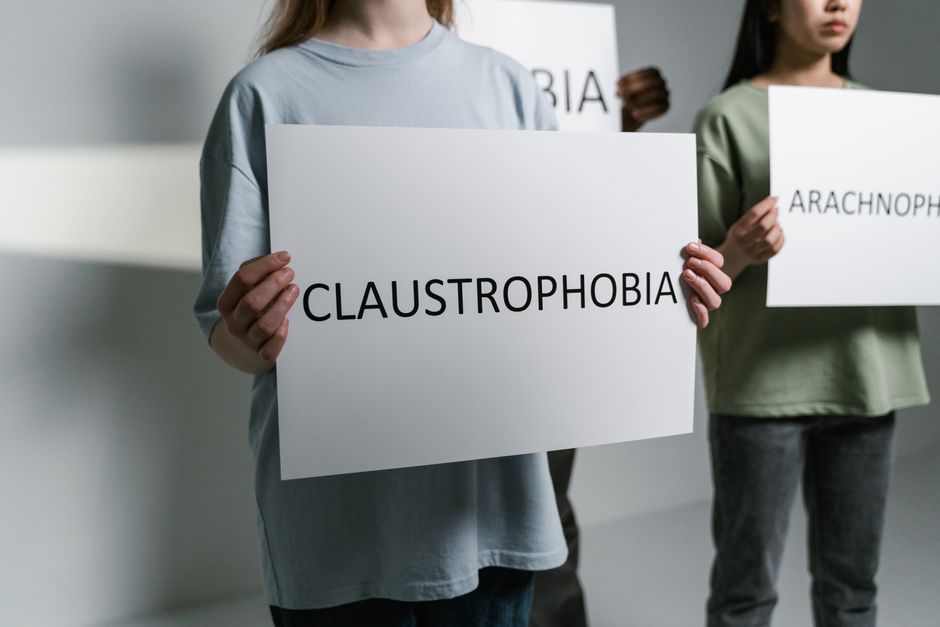
Yes, a phobia of phobias exists. Mental health professionals call it phobophobia — a fear of fear itself, or of developing a phobia. It is not listed as a separate diagnosis in the main psychiatric manual, but clinicians do encounter it, often alongside an anxiety disorder. The fear centers on the physical and mental sensations of being afraid, not on an external object like spiders or heights.
That distinction matters. Most phobias point outward at something in the world. Phobophobia points inward at your own nervous system. People with it may avoid situations where they could feel panic, which can slowly narrow their life. The good news is that the same treatments that work for other phobias — particularly exposure-based therapy — apply here too.
Is There A Phobia Of Phobias Causes And Treatment?
Phobophobia is a real pattern of anxiety, though you will not find it as a standalone diagnosis in the DSM-5, the manual clinicians use to classify mental health conditions. Instead, it usually gets captured under specific phobia or another anxiety disorder, because the fear is of internal sensations rather than an outside object.
The core feature is a fear of fear. A person becomes frightened of becoming frightened. They worry about losing control during a panic attack, about their heart racing, or about “going crazy.” The trigger is not the spider or the elevator — it is the anticipated bodily response.
This overlaps closely with what researchers call anxiety sensitivity: the tendency to fear anxiety-related sensations because you believe they are harmful. Anxiety sensitivity is a well-studied construct, and high levels of it are associated with panic disorder and other anxiety conditions. Phobophobia can be understood as one expression of that sensitivity.
What Does Phobophobia Actually Feel Like?
The fear is anticipatory. People with phobophobia often feel anxious about the possibility of feeling anxious, which creates a loop that can be hard to break.
Common experiences include:
- Worrying for days before an event that might make you nervous
- Monitoring your heartbeat or breathing for signs of panic
- Avoiding places where you previously felt afraid
- Fear of “losing it” or embarrassing yourself if anxiety spikes
- Physical symptoms like a racing heart, sweating, or tight chest — triggered by the fear of those same symptoms
This self-monitoring can itself produce the sensations the person fears. Paying close attention to your heart rate can make you notice normal fluctuations you would otherwise ignore. That is not imagination — attention genuinely amplifies bodily signals. For someone who reads those signals as dangerous, the result is a self-feeding cycle.
It is worth separating phobophobia from a single panic attack. A panic attack is an event. Phobophobia is a persistent pattern of fear about such events happening again. Not everyone who has a panic attack develops this fear, and researchers do not fully agree on why some people do.
What Causes A Fear Of Fear?
There is no single cause. Phobophobia, like other anxiety conditions, appears to develop from a mix of temperament, experience, and learning.
Anxiety sensitivity is the strongest candidate. People who naturally interpret bodily arousal as threatening are more likely to develop fear of fear. This trait appears to run in families to some degree, though genetics is only part of the picture.
Direct experience matters. Someone who has had a frightening panic attack — especially one that felt uncontrollable — may start fearing the next one. A single intense episode can be enough to set the pattern in motion for some people.
Observational learning plays a role. Children who watch a parent respond to stress with intense fear can learn that bodily arousal is dangerous. This is a general finding in anxiety research, not something specific to phobophobia.
Information and belief can contribute. Someone who has been told that a racing heart is a sign of a heart problem, or who has read alarming content about panic, may become more vigilant about their own body.
These factors tend to interact. A person with high anxiety sensitivity who has one bad panic experience and then avoids the situations where it happened is more likely to see the fear generalize over time. The avoidance, not the original attack, is often what keeps the pattern going.
How Is Phobophobia Treated?
Cognitive behavioral therapy is the most studied treatment for phobias and anxiety disorders generally, and it is the approach most clinicians would use for phobophobia. The evidence for CBT in specific phobias and panic-related conditions is strong.
CBT for this pattern usually targets two things. First, the beliefs that bodily sensations are dangerous — for example, that a racing heart means something is wrong with your heart. Second, the avoidance and safety behaviors that keep the fear alive. Treatment often includes interoceptive exposure: deliberately producing the feared sensations in a controlled way, such as through brief exercise or breathing exercises, so the person learns they are not dangerous. This is a well-established technique in panic-focused treatment.
Exposure work is done gradually and with guidance. The goal is not to eliminate anxiety but to change the relationship to it — to learn that fear itself is uncomfortable but not harmful.
Medication is sometimes used. SSRIs are prescribed for anxiety disorders, and some clinicians use them for panic-related conditions. The evidence for medication in phobophobia specifically is limited because the condition is rarely studied on its own. Any decision about medication should come from a clinician who knows your history.
What does not help: avoiding all situations that might trigger anxiety. That provides short-term relief and long-term reinforcement of the fear. It is the single most common trap in this pattern.
Is Phobophobia The Same As Panic Disorder?
No, but they overlap. Panic disorder involves recurrent, unexpected panic attacks plus persistent worry about having more attacks or about the consequences of them. That worry is essentially a fear of fear.
Phobophobia is sometimes used to describe the fear-of-fear component on its own, without the full panic disorder picture. In practice, the two are often discussed together because the mechanism is similar. A clinician diagnosing someone would look at the whole pattern — how often attacks occur, how much the fear interferes with daily life, and whether avoidance has taken over.
The distinction matters less for treatment than you might think. Both respond to CBT that targets catastrophic beliefs about bodily sensations and reduces avoidance. Some research suggests early intervention after a first panic attack can reduce the chance of developing panic disorder, though the evidence is not definitive.
When Should You Get Help?
Get help when the fear starts shaping your choices. If you are turning down opportunities, avoiding places, or spending significant time monitoring your body for signs of anxiety, that is a signal worth acting on.
Anxiety that interferes with work, relationships, or daily functioning is a recognized reason to seek assessment. You do not need to be in crisis to talk to a professional. A primary care doctor can be a reasonable first stop, and they can refer you to a therapist if needed.
Seek help promptly if you experience chest pain, shortness of breath at rest, or fainting, since those symptoms need medical evaluation rather than being assumed to be anxiety. A racing heart during fear is usually harmless, but a clinician should rule out physical causes when symptoms are new or unusual for you.
One clarification that surprises people: the goal of treatment is rarely to never feel anxious. Anxiety is a normal, useful response. The aim is to stop fearing the fear itself — to let normal nervousness pass through without it becoming the problem.
Frequently Asked Questions
Is phobophobia a recognized mental health condition?
It is not a separate diagnosis in the DSM-5, but clinicians recognize the pattern and usually classify it under specific phobia or another anxiety disorder. Its core feature — fear of fear — overlaps with anxiety sensitivity and panic-related conditions.
What is the difference between phobophobia and anxiety?
Anxiety is a normal response to threat or uncertainty. Phobophobia is a specific fear of the sensations of anxiety themselves, which leads people to avoid situations where they might feel afraid.
Can phobophobia be treated without medication?
Yes. Cognitive behavioral therapy, including exposure-based techniques, is the most studied treatment for phobias and anxiety disorders and is often used without medication. A clinician can help determine whether medication might also be appropriate for your situation.
Does avoiding anxiety make phobophobia worse?
Yes. Avoidance brings short-term relief but teaches the brain that the feared sensations are dangerous, which tends to strengthen the fear over time. Treatment usually involves gradually reducing avoidance with professional guidance.
