
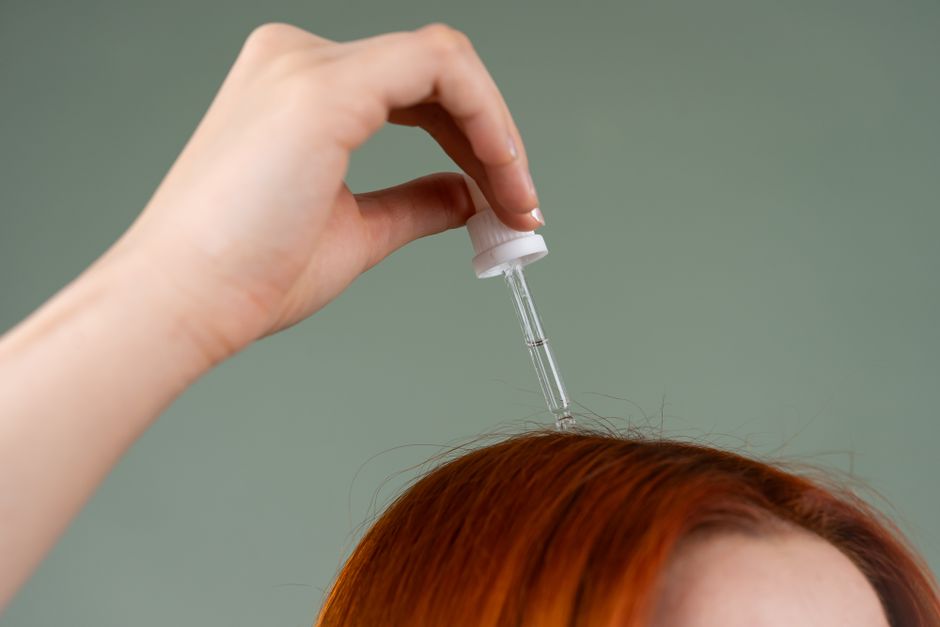
No cream sold today removes hair permanently. Every product marketed as a “permanent hair removal cream” works by breaking down hair at or just below the skin surface, and the hair grows back. Permanent hair reduction in the medical sense is achieved with devices that damage the hair follicle itself, such as lasers and intense pulsed light. A cream cannot reach or destroy the follicle in a way that stops future growth.
That distinction matters because the marketing is confusing. Some creams slow regrowth for a while. None of them stop it. Understanding what each type of product actually does helps you spend money on something that works instead of something that sounds like it does.
What Do Hair Removal Creams Actually Do?
Depilatory creams use chemicals to dissolve the protein structure of hair just beneath the skin surface. The main active ingredients are thioglycolates, usually calcium thioglycolate, which break the disulfide bonds that give hair its strength. Once those bonds are broken, the hair can be wiped or rinsed away.
This is a chemical process, not a biological one. It happens in the dead part of the hair shaft that has already grown out of the follicle. The follicle itself, the living structure under the skin where hair is made, is untouched. That is why regrowth is inevitable.
Most depilatories work within a few minutes. Regrowth typically appears within days, and the new hair is often visible as a dark stubble because the removal happens at or slightly below the surface rather than at the root. The effect is cosmetic and temporary.
Depilatories are generally well tolerated, but the active chemicals can irritate skin. A patch test on a small area before full use is standard advice, and the product should not be left on longer than the label states. Anyone with sensitive skin or a history of reactions to hair removal products should be cautious.
Why Can’t a Cream Reach the Hair Follicle?
The follicle sits in the dermis, the deeper layer of skin, and a topical cream is designed to act on the surface. To destroy a follicle permanently, you would need to deliver enough energy or chemical damage to that depth without injuring the surrounding skin. No cream currently does this safely.
This is the core reason “permanent” creams do not exist. The biology of hair growth is controlled at the follicle, where stem cells and the hair growth cycle operate. Interrupting that cycle permanently requires damaging the follicle’s ability to regenerate. Surface chemicals cannot do that selectively.
Some products contain ingredients marketed as “hair growth inhibitors” or “follicle blockers.” The evidence for these is limited. No large human trials have confirmed that any topical cream permanently disables the follicle. At best, some users report slower regrowth, but this is not the same as permanent removal, and results vary widely.
What About Prescription Creams Like Eflornithine?
Eflornithine is a prescription cream approved for reducing unwanted facial hair in women. It works by inhibiting an enzyme involved in hair growth, which can slow regrowth. It does not remove hair permanently, and hair returns if you stop using it.
This is an important distinction. Eflornithine is a genuine medical treatment with a defined mechanism, but its effect is to slow growth while it is used, not to eliminate the follicle. It is typically used alongside other hair removal methods. It requires a prescription and medical supervision.
Some clinicians recommend eflornithine for women with excess facial hair, and the evidence supports its use for slowing regrowth. It is not a permanent solution, and it is not appropriate for everyone. Anyone considering it should discuss it with a doctor.
Which Methods Actually Reduce Hair Permanently?
Laser hair removal and intense pulsed light (IPL) are the methods with the strongest evidence for long-term hair reduction. They work by targeting melanin in the hair, which absorbs the light energy and converts it to heat. That heat damages the follicle and can impair future hair growth.
These treatments are described as permanent hair reduction rather than permanent removal. Research consistently shows significant reduction in hair counts after a course of treatments, but results vary by skin tone, hair color, and body area. Multiple sessions are usually needed because hair grows in cycles and only follicles in the active growth phase respond well.
Electrolysis is the only method widely described as capable of permanent hair removal. It inserts a fine probe into each follicle and delivers an electric current that destroys the follicle. It is slow, requires a skilled practitioner, and works follicle by follicle, but it can produce permanent results.
| Method | How It Works | Permanence |
|---|---|---|
| Depilatory cream | Dissolves hair at the surface | Temporary, days |
| Eflornithine cream | Slows hair growth enzyme | Temporary while used |
| Laser / IPL | Heat damages follicle | Long-term reduction |
| Electrolysis | Current destroys each follicle | Permanent removal possible |
The table shows the gap clearly. Creams sit at the temporary end. Only devices that reach and damage the follicle offer lasting results.
Are “Permanent” Creams a Scam?
Any cream labeled as permanent hair removal is making a claim that current science does not support. That does not mean every product is worthless. Some depilatories work well for temporary removal. The problem is the word “permanent.”
Marketing language around hair removal is loosely regulated in many contexts. Terms like “reduces regrowth” or “slows hair growth” can be used with limited evidence. Consumers should treat strong permanence claims on a cream with skepticism.
A reasonable rule: if a cream claims permanent removal, ask what mechanism could possibly reach the follicle. There is no established mechanism for a topical cream to do this safely. The claim is the red flag.
What Should You Expect From a Hair Removal Cream?
Realistic expectations are short-term smoothness. A depilatory can remove visible hair in minutes and leave skin smooth for a few days. Regrowth timing varies by person and body area, but it is measured in days, not weeks or months.
For people who want longer-lasting results, the options are the device-based methods described above. Creams are convenient and inexpensive, and they suit many people for quick touch-ups. They are not a route to permanence.
Skin sensitivity is the main practical concern with creams. Burning, stinging, or redness can occur, especially with overuse or on sensitive areas. Following the label and doing a patch test reduces risk. Anyone with a reaction should stop using the product.
The useful takeaway is simple. Creams are a temporary tool. Permanent hair reduction comes from treatments that reach the follicle. Knowing which is which keeps your expectations honest and your money well spent.
Frequently Asked Questions
Is there a permanent hair removal cream?
No. No cream currently available removes hair permanently, because creams act at the skin surface and cannot destroy the hair follicle. Lasting hair reduction requires laser, IPL, or electrolysis.
How long does hair removal cream last?
Most depilatory creams keep skin smooth for a few days before hair becomes visible again. Regrowth timing varies by person and body area.
Does eflornithine cream remove hair permanently?
No. Eflornithine is a prescription cream that can slow facial hair growth while it is used, but hair returns if you stop. It is not a permanent solution.
What is the only truly permanent hair removal method?
Electrolysis is the method most often described as capable of permanent hair removal, because it destroys each follicle individually. Laser and IPL produce long-term reduction rather than guaranteed permanent removal.
