
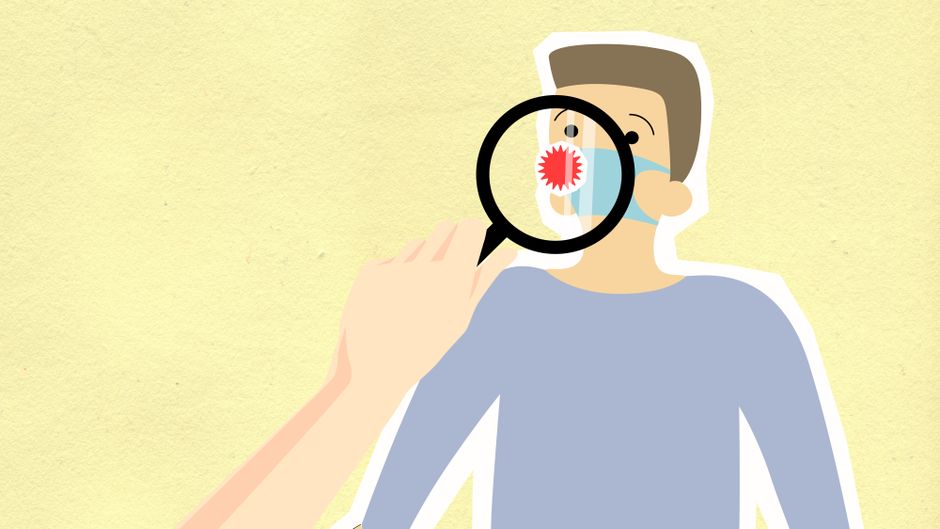
There is no single new virus sweeping the world at this moment. What is circulating right now is a familiar mix of seasonal respiratory viruses — influenza, respiratory syncytial virus (RSV), rhinoviruses, and SARS-CoV-2, the virus that causes COVID-19. These viruses rise and fall on predictable seasonal patterns, and what looks like “a new virus” in your community is usually one of them peaking on schedule.
That said, new variants of existing viruses do emerge, and public health agencies track them continuously. The World Health Organization and the US Centers for Disease Control and Prevention maintain active surveillance systems that flag unusual spikes. If something genuinely new and dangerous were spreading, you would hear about it from those agencies directly, not first from a social media post.
Is There A New Virus Whats Spreading Right Now?
The short answer is no new pathogen has been identified as a global emergency. What is spreading is the usual seasonal roster of respiratory viruses.
In the United States, respiratory virus season typically runs from fall through early spring. During that window, influenza, RSV, and SARS-CoV-2 often circulate at the same time. Rhinoviruses and common cold coronaviruses circulate year-round. Human metapneumovirus and parainfluenza viruses also cause respiratory illness every year, though most people have never heard of them.
Here is a point that surprises many people: the “common cold” is not one virus. It is a syndrome caused by more than 200 different viral strains. So when several people in your office get sick within a few weeks of each other, they may not have the same infection at all.
New variants are a separate matter from new viruses. SARS-CoV-2 continues to evolve, and occasionally a variant with changes to its spike protein gains a transmission advantage. Public health agencies monitor these shifts and update guidance when the evidence warrants it. A new variant of a known virus is not the same as a brand-new virus.
What Viruses Are Circulating Most Right Now?
Which viruses dominate depends on the season and the year, but a few are consistently common.
- Influenza A and B — the main driver of winter respiratory illness, with activity typically peaking between December and February in the US.
- SARS-CoV-2 — still circulating and evolving; periodic waves occur, though the timing has become less predictable than flu season.
- RSV — a major cause of lower respiratory illness, especially in young children and adults over 60.
- Rhinoviruses — the most frequent cause of the common cold, active throughout the year.
- Human metapneumovirus — a common respiratory virus that most people contract in childhood and can reinfect adults.
- Norovirus — a gastrointestinal virus, not respiratory, that causes outbreaks in winter months, especially in closed settings like schools and cruise ships.
If you want current local data, the CDC’s respiratory illness surveillance reports are updated regularly and show which viruses are rising or falling in your region.
How Do I Know If My Symptoms Are From A New Virus Or Something Common?
You usually cannot tell from symptoms alone. Flu, COVID-19, RSV, and the common cold overlap heavily in how they present.
All of them can cause cough, sore throat, runny nose, fatigue, and fever. The severity and pattern vary more by the person than by the virus. A mild flu case can feel like a cold, and a bad cold can knock you flat for a week.
Some patterns are more typical, though not reliable on their own:
- Sudden onset of high fever with body aches is more characteristic of influenza.
- Gradual sore throat and congestion is more typical of a cold.
- Loss of taste or smell was a distinctive COVID-19 sign early in the pandemic, but it is less common with current variants.
- Wheezing or difficulty breathing in a young child points toward RSV more than a cold.
These are tendencies, not rules. Rapid antigen tests for flu and COVID-19 are widely available and can help distinguish the two, which matters if you are in a group where antiviral treatment would be considered.
When Should I See A Doctor?
Most respiratory virus infections resolve on their own within one to two weeks. Some signs warrant medical attention.
Seek care promptly if you or someone in your household has:
- Difficulty breathing or shortness of breath
- Chest pain or pressure
- Confusion or unusual drowsiness
- Persistent high fever that does not improve
- Dehydration — not urinating, dizziness on standing
- Bluish lips or face
In infants, watch for poor feeding, fewer wet diapers, or unusual lethargy. In older adults, a change in mental status can be the first sign of a serious respiratory infection.
People at higher risk of severe illness — including adults over 65, pregnant women, and those with chronic heart or lung disease, diabetes, or weakened immune systems — should contact a clinician early in the illness rather than waiting. Antiviral medications for influenza and COVID-19 work best when started soon after symptoms begin, though eligibility and timing vary and are a decision for a clinician.
How Do Respiratory Viruses Spread And How Can I Reduce My Risk?
Respiratory viruses spread mainly through droplets and aerosols released when an infected person breathes, talks, coughs, or sneezes. Some, like norovirus, spread through contaminated surfaces and food.
The measures that reduce transmission are well established, even if they are not perfect:
- Handwashing with soap and water for at least 20 seconds reduces transmission of many viruses, particularly those spread by contact.
- Improving indoor air quality — opening windows, using HEPA filtration — reduces airborne virus concentration.
- Staying home when sick limits spread to others.
- Vaccination against influenza, COVID-19, and RSV (for eligible groups) reduces the risk of severe illness, though it does not eliminate infection.
One clarification worth making: masks reduce transmission but their effectiveness depends heavily on the type, fit, and setting. The evidence is strongest for well-fitted respirators in high-risk indoor settings and weaker for cloth masks in casual use.
How Can I Tell If A “New Virus” Claim Is Real?
Most viral claims about new viruses are either recycled old news or misinterpreted surveillance data. A few habits help you sort real from noise.
Check whether the claim names a specific virus and a specific source. Real outbreaks are reported by named public health agencies with case counts and locations. Vague claims about “a new virus spreading” without a name or source rarely hold up.
Beware of claims that a virus is “new” when it has been known for decades. Human metapneumovirus was first identified in 2001, but it had been circulating for generations. RSV was discovered in 1956. Sometimes a virus becomes more visible because testing improved, not because it is new.
Also watch for claims that a common seasonal virus has suddenly become more dangerous without evidence. Viruses do evolve, but dangerous changes are detected through genomic surveillance and reported by agencies that track them.
Frequently Asked Questions
Is there a new virus going around right now?
No new virus has been identified as a current global health emergency. What is circulating is the usual seasonal mix of influenza, SARS-CoV-2, RSV, and common cold viruses.
What are the symptoms of the viruses spreading now?
Cough, sore throat, runny nose, fever, and fatigue are the most common symptoms across circulating respiratory viruses. Symptoms overlap heavily between viruses, so testing is the only reliable way to tell them apart.
Should I get tested if I feel sick?
Testing is most useful if you are at higher risk of severe illness or if a clinician would consider antiviral treatment based on the result. For most healthy adults with mild symptoms, testing mainly helps with decisions about staying home.
How long am I contagious with a respiratory virus?
Contagiousness varies by virus and by person. Influenza is typically contagious for about a day before symptoms and up to several days after, while cold viruses can shed for a week or more. Staying home while feverish and until symptoms are clearly improving is a reasonable general approach.
