
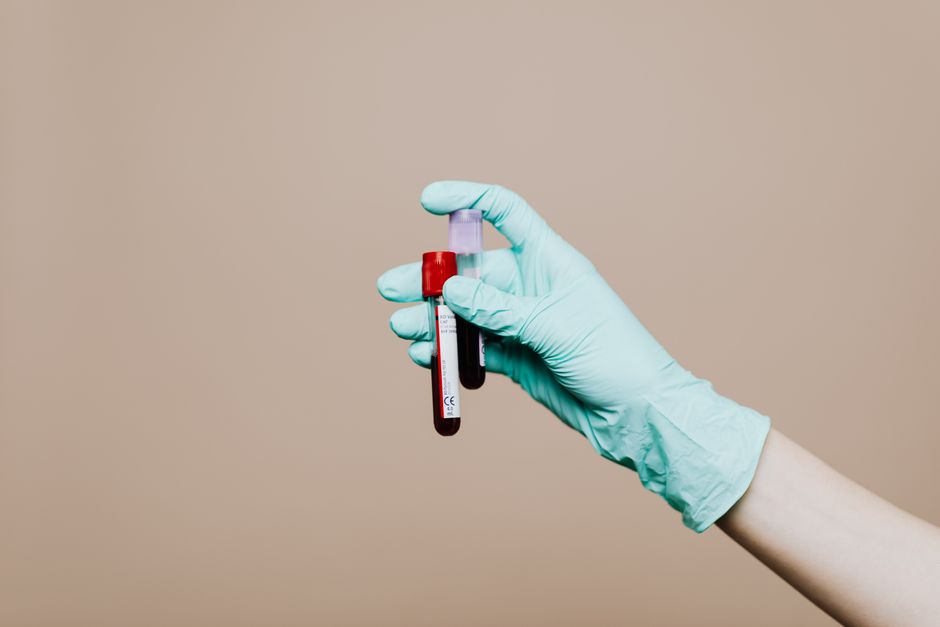
Yes, there are blood tests that look for markers related to mold exposure, but there is no single FDA-approved blood test that diagnoses “mold toxicity” as a specific medical condition. The tests available measure antibodies to mold or check for specific genetic traits that affect how your body clears mold toxins. These tests can provide useful information, but they are only one piece of a larger clinical picture that doctors use to evaluate your symptoms.
What Is Mold Toxicity?
Mold toxicity is not a formal medical diagnosis in standard textbooks. It is a term used to describe a collection of symptoms some people develop after exposure to mold and the toxins mold produces.
Certain molds produce compounds called mycotoxins. When people breathe in mold spores or mycotoxins, their immune system responds. For most people, that response causes mild allergy symptoms like sneezing or a runny nose. In a smaller group of people, the reaction is more significant and affects multiple body systems.
This broader reaction is sometimes called Chronic Inflammatory Response Syndrome, or CIRS. That term was developed by a specific group of clinicians and is not universally accepted by all medical organizations. The symptoms can include fatigue, brain fog, joint pain, headaches, and breathing problems. These symptoms overlap with many other conditions, which makes diagnosis difficult.
What Blood Tests Are Available?
Several blood tests exist that relate to mold exposure. None of them alone proves that mold is causing your symptoms.
Antibody tests. These measure levels of immunoglobulins, specifically IgG, IgM, and IgA, that your immune system makes against specific mold species. A high level suggests your immune system has encountered that mold. It does not tell you if the mold is actively making you sick or if mycotoxins are present in your body.
Mycotoxin tests. Some laboratories offer tests that measure mycotoxins in urine, not blood. These tests look for the presence of specific mold toxins that your body has excreted. The science behind these tests is still developing. Some research suggests they can be useful, but other experts question their reliability.
Genetic testing. A test called HLA-DR can look for specific genetic markers. Some research suggests that people with certain HLA-DR patterns have a harder time clearing mold toxins from their bodies. This test does not diagnose mold illness. It only identifies a genetic predisposition that might make someone more vulnerable.
How Accurate Are These Tests?
The accuracy of mold-related blood tests is a point of genuine debate among specialists.
Antibody tests can confirm exposure. If you have high IgG antibodies to a specific mold, it means you have been exposed to that mold at some point. Most people who live in humid environments have some level of mold antibodies. A positive test does not mean mold is the cause of your current health problems.
Urine mycotoxin tests have similar limitations. Finding mycotoxins in urine proves exposure. It does not prove that the mycotoxins are causing your symptoms. Healthy people can have mycotoxins in their urine without any symptoms at all.
No large clinical trials have validated these tests as diagnostic tools for mold illness. That means the tests are best used as supporting information, not as a definitive answer.



What Does the Medical Community Say?
Mainstream medical organizations do not recognize a distinct disease called mold toxicity. The Centers for Disease Control and Prevention acknowledges that mold can cause allergic reactions, asthma attacks, and respiratory infections. The CDC does not endorse the concept of mold toxicity as a systemic illness.
The American Academy of Allergy, Asthma, and Immunology takes a similar position. Their guidance focuses on mold as a trigger for allergies and asthma. They do not recognize the broader set of symptoms that some practitioners attribute to mold toxicity.
This does not mean your symptoms are not real. It means the medical mainstream has not found strong evidence linking mold exposure to the wide range of symptoms some patients report. Some clinicians who specialize in environmental medicine disagree with this position. They argue that the research is incomplete and that many patients improve when mold exposure is removed.
How Is Mold Illness Diagnosed?
Because no single test confirms mold illness, doctors who evaluate this condition rely on a combination of information. A thorough evaluation typically includes a detailed exposure history, a review of symptoms, and testing to rule out other conditions.
Your doctor will ask about your home, workplace, and any known water damage. They will review your symptoms and how long you have had them. They will likely order standard blood work to check for other causes of fatigue, brain fog, or joint pain. Conditions like thyroid disease, autoimmune disorders, and vitamin deficiencies can cause similar symptoms.
If your doctor suspects mold illness, they may order the antibody, mycotoxin, or genetic tests discussed earlier. The results are interpreted alongside your symptoms and exposure history. No single result is diagnostic on its own.
What Should You Do If You Suspect Mold Exposure?
If you believe mold is affecting your health, start with your primary care doctor. Describe your symptoms and any known mold exposure in your home or workplace. Ask for standard blood work to rule out more common conditions first.
Consider testing your environment before testing your body. Professional mold testing of your home can identify whether mold is present and where it is growing. Visible mold growth should be addressed regardless of any blood test results. Fixing water leaks and removing moldy materials is the most direct way to reduce exposure.
If your doctor agrees that mold exposure is a concern, they can refer you to an allergist or an environmental medicine specialist. These specialists have more experience evaluating mold-related conditions and can guide you through the available testing options.
Are There Treatments for Mold Illness?
The first step in any treatment plan is reducing exposure to mold. If you are living in a water-damaged building, addressing the source is essential. No treatment works well if you continue to breathe in mold daily.
For people with confirmed mold allergies, standard allergy medications can help manage symptoms. Antihistamines, nasal corticosteroids, and decongestants are commonly used. An allergist can also offer allergy shots, which gradually reduce your immune system’s sensitivity to mold.
Some practitioners prescribe binders, which are substances that bind to mycotoxins in the digestive tract so the body can excrete them. Activated charcoal, bentonite clay, and prescription binders like cholestyramine are sometimes used. Clinical evidence for these treatments is limited. Some patients report improvement, but no large controlled trials have confirmed their effectiveness.
Be cautious about aggressive treatment protocols that promise to detoxify your body. These protocols are not supported by strong scientific evidence and can carry risks. Work with a qualified physician who can monitor your health and adjust treatment based on your individual response.
How Can You Protect Yourself from Mold?
Prevention is the most reliable approach. Mold grows in damp, humid environments. Controlling moisture in your home is the most effective way to prevent mold problems.
Fix water leaks promptly. Dry wet areas within 24 to 48 hours. Use exhaust fans in bathrooms and kitchens. Keep indoor humidity between 30 and 50 percent. In humid climates, a dehumidifier can help maintain safe humidity levels.
If you find mold in your home, small areas on hard surfaces can be cleaned with soap and water or a commercial mold cleaner. Larger areas, especially those involving drywall or insulation, often require professional remediation. Porous materials that are heavily moldy usually need to be removed and replaced.
Frequently Asked Questions
Can a blood test tell me if mold is making me sick?
No blood test can prove that mold is causing your symptoms. Tests can show that you have been exposed to mold, but they cannot confirm that mold is the reason you feel unwell.
What is the most accurate test for mold exposure?
There is no universally accepted gold standard test. Antibody tests and urine mycotoxin tests both provide information about exposure, but their accuracy for diagnosing illness is not well established.
Should I get tested for mold toxicity?
Testing is most useful when combined with a thorough clinical evaluation and a known exposure history. If you have symptoms and suspect mold in your environment, talk to your doctor about whether testing is appropriate for your situation.
