
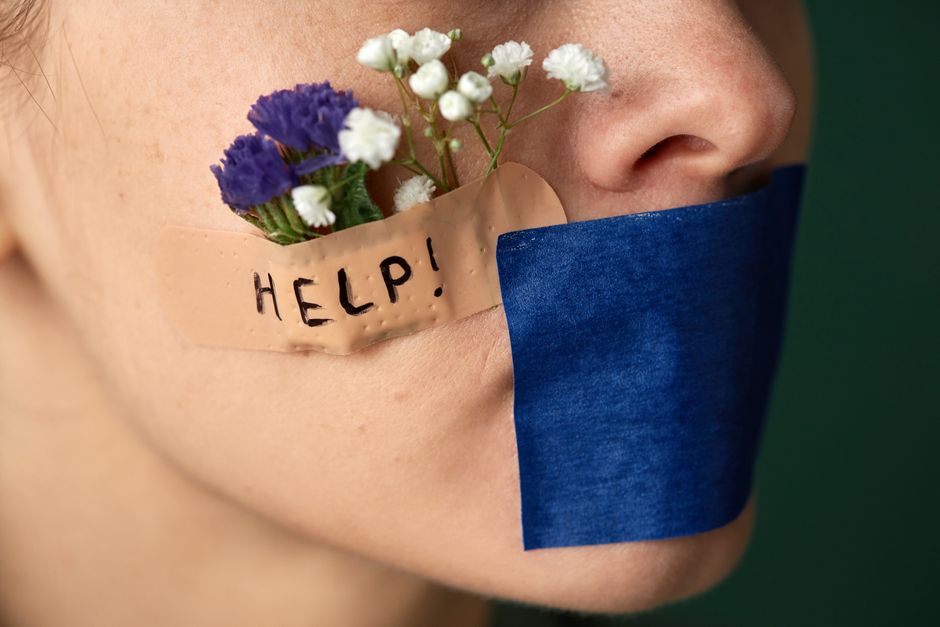
The silent treatment becomes abuse when it is used to control, punish, or wear someone down rather than to take a needed pause. A short break to cool off is not abuse. A pattern of deliberate silence meant to make another person feel small, anxious, or desperate to fix things is a form of emotional harm. The difference comes down to intent, duration, and what the silence does to the other person over time.
Most people have gone quiet after an argument. That is human. The question worth asking is whether the quiet is a way to calm down or a way to win. When silence is used as leverage, it stops being communication and starts being control.
What Is the Silent Treatment, Exactly?
The silent treatment is the deliberate refusal to speak to someone, or to respond to their attempts to communicate, as a way of expressing anger or asserting power. It is different from simply needing space. When someone asks for space, they usually say so. The silent treatment often arrives without explanation and can last for hours, days, or longer.
The key feature is the refusal to engage combined with the other person’s inability to resolve it. A person taking a break says, “I need an hour.” A person giving the silent treatment leaves the other person guessing, apologizing, and chasing a response that does not come. That uncertainty is part of how it works.
Psychologists sometimes call this behavior stonewalling when it happens during conflict. Researcher John Gottman, who studied thousands of couples, identified stonewalling as one of several behaviors that predict relationship distress. His work is widely cited, though it is worth noting that predicting trouble in a relationship is not the same as proving any single behavior causes a relationship to fail.
When Does the Silent Treatment Cross Into Abuse?
Silence crosses into abuse when it becomes a repeated strategy to control another person’s behavior or emotions. No single episode defines abuse. The pattern does.
Several features tend to separate ordinary withdrawal from abusive silence:
- It is used to punish. The silence is a consequence the person imposes, often for something minor or for disagreeing.
- It is prolonged on purpose. The person could end it easily but chooses not to, even when the other person is clearly distressed.
- It comes with demands. The silence lifts only when the other person apologizes, agrees, or gives in.
- It is paired with blame. The person giving the silence insists the other person caused it, so the target feels responsible for fixing it.
- It isolates. The person refuses to speak in front of others, or withdraws affection and household cooperation along with words.
Emotional abuse is generally understood by clinicians as a pattern of behavior aimed at controlling, isolating, or degrading another person. The silent treatment can be one tool in that pattern. It rarely stands alone. It often travels with other controlling behaviors, such as monitoring, jealousy, humiliation, or threats.
Why Does Silence Hurt So Much?
Silence from someone we depend on registers as a threat. Humans are wired to read social exclusion as danger, and the brain responds to being ignored in ways that overlap with physical pain pathways. This is not weakness or oversensitivity. It is how social connection works in the nervous system.
When a partner or family member goes silent without explanation, the other person often experiences anxiety, confusion, and a drive to repair the connection. They may replay the argument, search for what they did wrong, and apologize for things they did not do. That repair drive is exactly what makes the silent treatment effective as a control tactic.
Over time, repeated exposure to this kind of withdrawal is linked to low mood, persistent anxiety, and lowered self-worth. Some people start to doubt their own memory of events because the silence offers no way to check reality. This is sometimes called gaslighting when it is combined with denial or distortion of facts, though the silent treatment alone is not the same thing as gaslighting.





How Is the Silent Treatment Different From Needing Space?
Needing space is a request. The silent treatment is an imposition. That single difference changes everything about how the behavior affects the other person.
| Needing space | Silent treatment as control |
|---|---|
| Announced clearly: “I need time to cool down.” | Unannounced. The other person is left guessing. |
| Has an end point, even a rough one. | Open-ended. It lifts when the giver decides. |
| Used to manage one’s own emotions. | Used to manage the other person’s behavior. |
| Communication resumes and the issue gets addressed. | The issue is never resolved. The silence becomes the point. |
| The other person is not punished for the pause. | The other person pays for the pause with guilt or compliance. |
A useful test: after the silence ends, is the relationship stronger or weaker? Space usually leads to a calmer conversation. Punitive silence usually leads to one person feeling smaller and the other feeling more in control.
Is the Silent Treatment Ever Normal?
Going quiet during conflict is common and not automatically harmful. Many people shut down when they feel overwhelmed. This is sometimes called flooding, a state where emotions rise so high that thinking clearly becomes hard. In that state, stepping back can be the healthiest choice available.
The problem is not the quiet itself. The problem is when the quiet is used as a weapon, or when someone shuts down so completely and so often that the other person is left alone with every problem. A person who regularly goes silent for hours without explanation, even after being asked to communicate, is not just overwhelmed. They may be avoiding conflict at the other person’s expense.
There is a real difference between a nervous system that cannot engage in the moment and a choice to withhold connection. Both can look the same from the outside. Over time, the pattern usually makes the difference clear.
What Are the Signs It Has Become a Pattern of Abuse?
The clearest sign is that you have changed your behavior to avoid the silence. If you find yourself softening your opinions, hiding small things, or apologizing preemptively to prevent a shutdown, the silence has already started to control you.
Other signs worth taking seriously:
- You feel anxious or physically tense when the other person goes quiet.
- You cannot remember the last time a disagreement ended with a real conversation.
- The silence is used to get you to agree to things you would not otherwise agree to.
- You are blamed for the silence even when you did not cause the conflict.
- The silence is combined with other controlling behaviors, such as monitoring your phone, limiting your contact with friends, or threats.
If any of this sounds familiar, it is worth talking to a licensed mental health professional. Emotional abuse is real, and it is treatable. No one has to manage it alone. In the US, the National Domestic Violence Hotline is available for support, and local domestic violence services can help even when there is no physical violence.
Can a Relationship Recover From This?
Some relationships do recover, but only when the person using the silence recognizes it as harmful and wants to change. That change usually requires more than willpower. It often means learning to name emotions, ask for space directly, and return to the conversation when calm.
Couples therapy can help when both people are willing to participate. Therapists who specialize in emotional abuse and coercive control are better equipped than general couples counselors for situations where one partner is using control tactics. In those cases, standard couples counseling is sometimes considered inappropriate because it can place blame on both people equally when the harm is one-sided. Some clinicians recommend individual therapy first.
Recovery is much harder when the person using the silence denies it or blames the other person entirely. In that situation, the priority shifts from fixing the relationship to protecting the person being harmed. Leaving an abusive relationship is often the safest path, though it carries real risks that deserve careful planning. Domestic violence advocates can help with safety planning.
Frequently Asked Questions
How long does the silent treatment usually last?
It varies widely, from a few hours to weeks. There is no standard duration, but silence that continues for days without explanation and without a path to resolution is a warning sign.
Is the silent treatment a form of emotional abuse?
It can be. When it is used repeatedly to punish, control, or wear someone down, it fits the clinical understanding of emotional abuse. A single instance usually does not.
What should I do if my partner gives me the silent treatment?
Name the pattern calmly and ask directly whether they are willing to talk about it. If the behavior continues and you feel controlled or anxious, consider speaking with a licensed therapist or a domestic violence advocate.
Can the silent treatment be a sign of a mental health condition?
Sometimes. Withdrawal can occur with depression, trauma, or difficulty regulating emotions, but a mental health condition does not excuse controlling behavior. Both can be true at once.
