
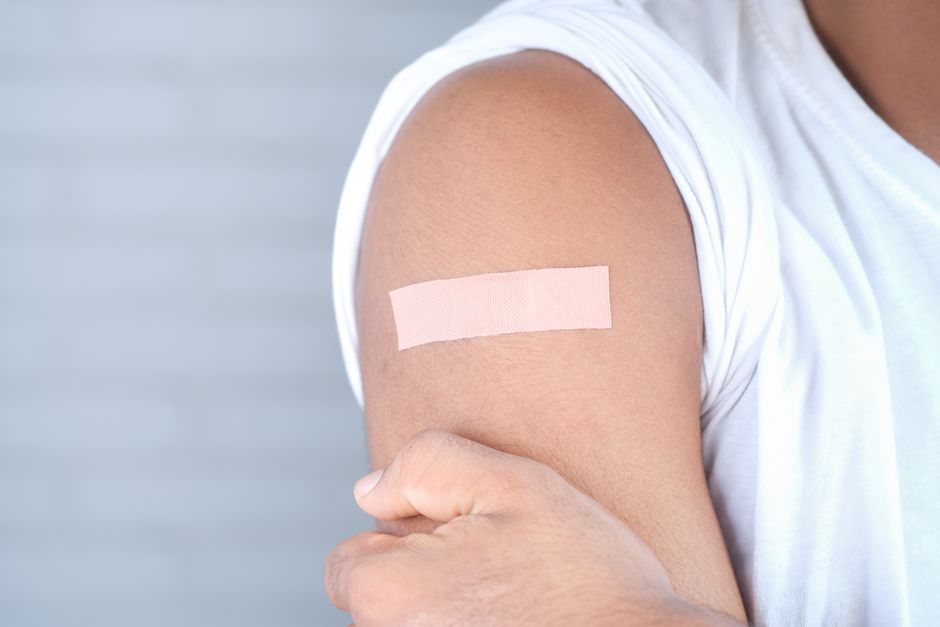
No, the pneumococcal vaccine is not the flu shot. They are two completely different vaccines that protect against different diseases. The pneumococcal vaccine prevents infections caused by Streptococcus pneumoniae bacteria, such as pneumonia, meningitis, and bloodstream infections. The flu shot protects against the influenza virus, a respiratory illness that spreads seasonally. You need both vaccines if you are eligible — one does not replace the other.
What Does the Pneumococcal Vaccine Protect Against?
The pneumococcal vaccine targets bacteria called Streptococcus pneumoniae. These bacteria can cause serious infections including pneumonia (lung infection), meningitis (infection of the brain and spinal cord lining), and bacteremia (bloodstream infection). Older adults, young children, and people with weakened immune systems are at highest risk.
There are two main types of pneumococcal vaccines in the United States: PCV15 (Prevnar 15), PCV20 (Prevnar 20), and PPSV23 (Pneumovax 23). The PCV vaccines are typically given to infants and older adults. PPSV23 is recommended for adults 65 and older and for younger adults with certain medical conditions. Your doctor will tell you which one you need and when.
The pneumococcal vaccine does not protect against viral pneumonia caused by influenza or COVID-19. It only works against bacterial pneumonia caused by pneumococcus. This is a common misunderstanding.
What Does the Flu Shot Protect Against?
The flu shot protects against seasonal influenza viruses, which cause the flu. Influenza is a viral infection that affects the nose, throat, and lungs. It can lead to complications like pneumonia, especially in older adults, pregnant women, and people with chronic conditions.
The flu vaccine is updated every year because flu viruses change. There are several types of flu shots, including standard-dose, high-dose for people 65 and older, and a nasal spray. The flu shot does not protect against pneumococcal disease or any other bacterial infection.
Getting a flu shot each fall is the best way to reduce your risk of getting the flu and spreading it to others. It takes about two weeks after vaccination for your body to build full protection.
Can You Get Both Vaccines at the Same Time?
Yes, you can get the pneumococcal vaccine and the flu shot at the same visit. Studies have shown that giving them together is safe and effective. Your immune system can handle both vaccines without any extra risk.
However, some people may have slightly more soreness or injection-site reactions than if they got each vaccine alone. Most reactions are mild and go away within a day or two. Tell your doctor about all vaccines you have received or plan to receive so they can schedule them properly.
There is no required waiting period between vaccines. You do not need to wait two weeks or any specific time. If you are due for both, you can get them together.




Who Should Get the Pneumococcal Vaccine?
The CDC recommends pneumococcal vaccination for all children under 2 years old, adults 65 years and older, and people ages 2–64 with certain medical conditions. Medical conditions that increase risk include chronic heart disease, lung disease (including asthma), diabetes, chronic liver disease, sickle cell disease, cochlear implants, and weakened immune systems from disease or medication.
Adults 65 and older should receive PCV20 alone or PCV15 followed by PPSV23 one year later. Younger adults with medical conditions may also need pneumococcal vaccines. The schedule is different for children: they get PCV15 or PCV20 as part of routine childhood immunizations.
If you are not sure whether you need the pneumococcal vaccine, ask your doctor. They can check your age, health history, and previous vaccinations.
Who Should Get the Flu Shot?
The CDC recommends a yearly flu shot for everyone 6 months and older who does not have a medical reason not to get it. This includes almost everyone. The flu shot is especially important for people at high risk of serious complications: adults 65 and older, pregnant women, young children, and people with chronic medical conditions like asthma, diabetes, heart disease, and weakened immune systems.
Most people need one dose of flu vaccine each season. Some children under 9 years old may need two doses if it is their first time getting vaccinated. The best time to get the flu shot is in September or October, but you can still get vaccinated later in the season.
There is no flu vaccine that protects against pneumococcal disease, and no pneumococcal vaccine that protects against influenza. You need both if you are eligible.
Why Do People Confuse the Two Vaccines?
Both vaccines prevent respiratory infections. Both are recommended for older adults and people with chronic conditions. Both are given as shots, usually in the arm. These similarities lead many people to think they are the same or that one covers the other.
Another reason for confusion is that people commonly say “I got my pneumonia shot” when they mean the pneumococcal vaccine. Some even call it “the pneumonia vaccine.” That is not the same as the flu shot. Influenza can cause viral pneumonia, but the pneumococcal vaccine only prevents bacterial pneumonia from one specific bacterium.
If your doctor says you need a flu shot and a pneumonia shot, they are talking about two separate vaccines for two different diseases. Do not assume that getting one spares you from needing the other.
How Effective Are These Vaccines?
No vaccine is 100% effective. The pneumococcal vaccine is about 60–80% effective at preventing invasive pneumococcal disease (like meningitis and bacteremia) in healthy adults. Effectiveness is lower in people with weakened immune systems and for preventing pneumonia specifically. But it still reduces the risk of severe illness and death.
Flu vaccine effectiveness varies each year depending on how well the vaccine matches the circulating strains. In recent seasons, effectiveness has ranged from 30% to 60%. Even when the flu vaccine does not completely prevent infection, it reduces the severity of symptoms and the risk of hospitalization and death.
The important point: both vaccines provide meaningful protection. You should not skip one because the other is not perfect. They work in different ways against different germs.
What Happens If You Skip One Vaccine?
Skipping the pneumococcal vaccine leaves you vulnerable to pneumococcal pneumonia, meningitis, and bloodstream infections. These diseases can be life-threatening, especially in older adults. About 1 in 20 older adults who get pneumococcal pneumonia dies from it. The rates are higher for meningitis.
Skipping the flu shot leaves you vulnerable to influenza. Each year, flu causes hundreds of thousands of hospitalizations and tens of thousands of deaths in the United States. Even healthy people can get very sick from the flu.
Both vaccines are recommended for most adults. If you are due for both, getting both at the same visit is safe and convenient. There is no medical reason to delay one.
Frequently Asked Questions
Can the pneumococcal vaccine prevent flu?
No, the pneumococcal vaccine does not prevent the flu. It only protects against bacterial infections caused by pneumococcus. The flu is caused by a virus and requires the flu vaccine.
Is the pneumococcal vaccine a one-time shot like the flu shot?
No. Adults typically need one dose of PCV20, or PCV15 followed later by PPSV23. Some people may need revaccination for certain medical conditions. The flu shot is needed every year because flu viruses change.
Do older adults need both the pneumococcal vaccine and the flu shot?
Yes, the CDC recommends both for adults 65 and older. These vaccines protect against different diseases and both are important for reducing serious illness and hospitalization.
Can you get pneumonia from the flu shot?
No, the flu shot cannot give you pneumonia. It is made from inactivated virus or a single protein. You cannot get flu or pneumonia from the vaccine. Mild side effects like soreness or low fever are possible but temporary.
